



POLYESTER
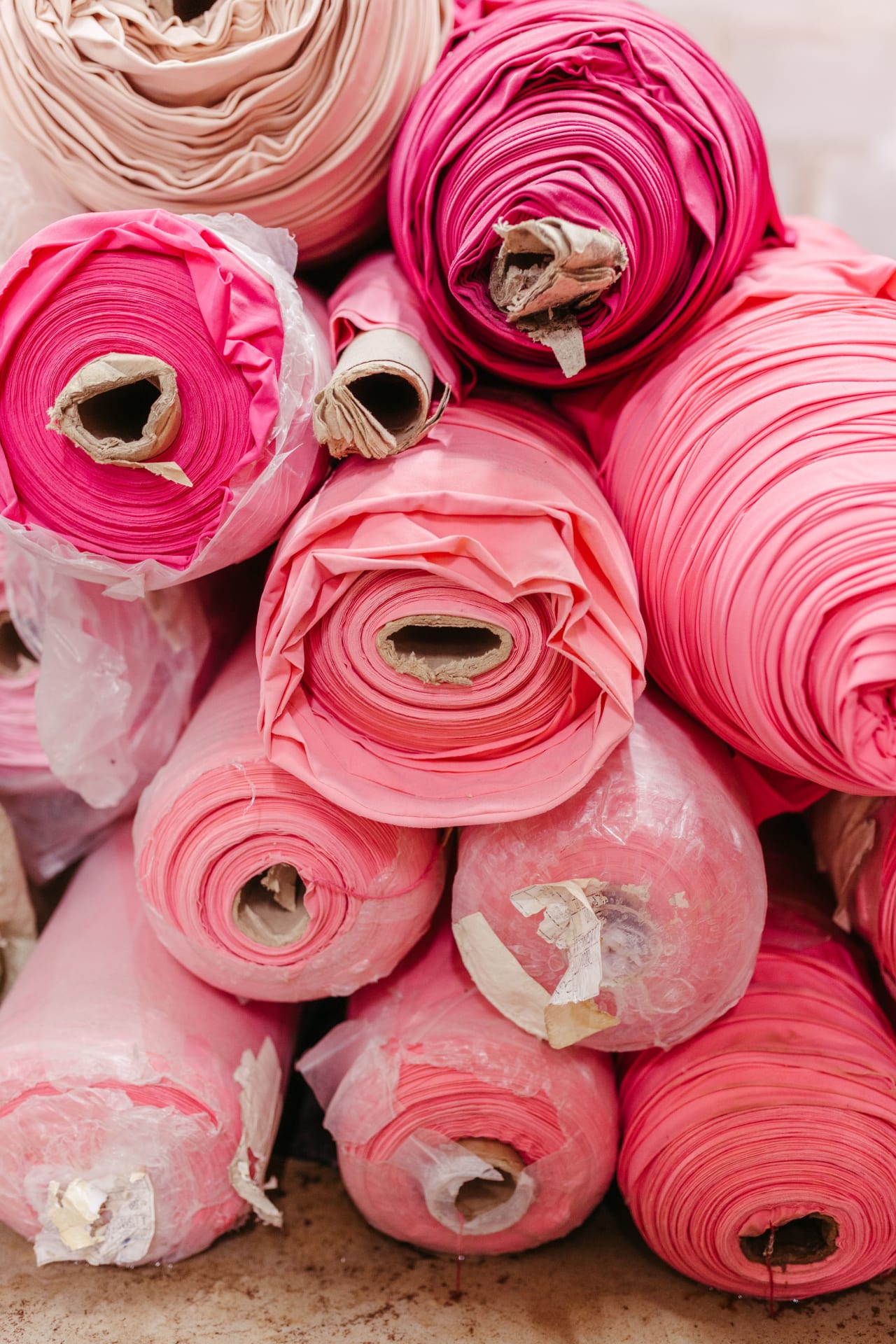
Polyester is the most widely used synthetic fibre in the world, produced from petroleum by-products. Its chief advantages are practicality and price: it is strong, barely creases, holds its shape and colour, dries quickly, does not shrink and is cheap to produce. Because of this, polyester is present in a vast share of modern clothing — from blouses and dresses to sportswear and outerwear, often blended with cotton or wool. Its drawbacks: it breathes less well than natural fibres, can build up static and hold odours, and, ecologically, it degrades slowly and sheds microplastic.
Polyester is the most widely used synthetic fibre in the world, produced from petroleum by-products. Its chief advantages are practicality and price: it is strong, barely creases, holds its shape and colour, dries quickly, does not shrink and is cheap to produce. Because of this, polyester is present in a vast share of modern clothing — from blouses and dresses to sportswear and outerwear, often blended with cotton or wool. Its drawbacks: it breathes less well than natural fibres, can build up static and hold odours, and, ecologically, it degrades slowly and sheds microplastic. A petroleum-based synthetic fibre; it spread widely from the 1950s thanks to its wrinkle resistance and fast drying.




