


Material Culture59 materials
Materials
Linen, silk, wool and modern composites — the language of touch.
Acrylic
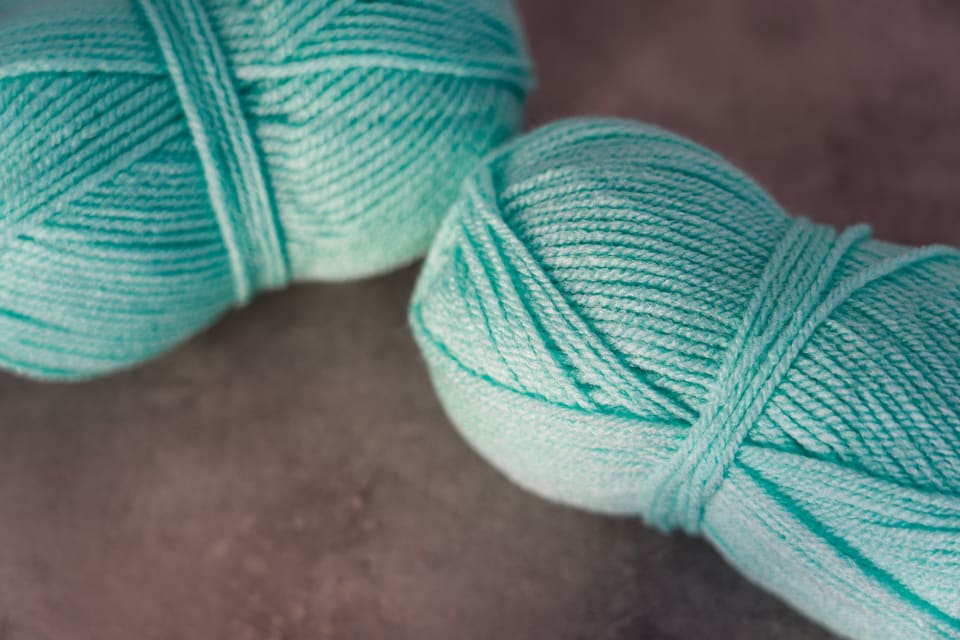
Acrylic is a synthetic fibre created as an affordable alternative to wool, which it resembles in look and feel: soft, fluffy and warm. Acrylic is light, holds bright colours well, is resistant to moth, mildew and fading, is non-allergenic and inexpensive. It is knitted into sweaters, hats, scarves, blankets and woven into faux fur and plush. Its main drawbacks are a tendency to pill, a build-up of static and poorer breathability compared with natural wool, so acrylic is often blended with wool or cotton to improve its properties. Despite this, it remains one of the most popular materials for warm knitwear thanks to its affordability and practicality. Acrylic is a democratic, versatile material that makes the warmth, colour and softness of a woollen aesthetic accessible to everyone.
Alpaca
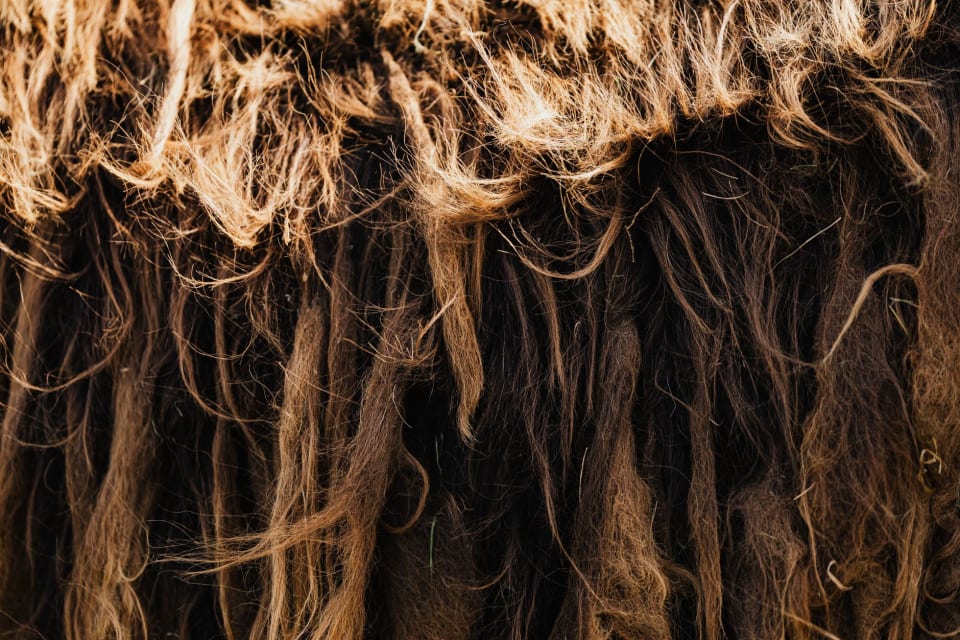
Alpaca is the precious, soft and warm wool of the South American camelid of the same name, bred for millennia in the high Andes. The alpaca fibre is lighter, warmer and stronger than sheep's wool, contains no lanolin (so it is hypoallergenic), hardly pills and has a natural silky sheen. Alpaca comes in more than twenty natural shades — from white to deep black. It is knitted into sweaters, cardigans, hats, scarves and woven into luxurious coating fabrics that combine lightness, warmth and noble softness. Fine baby-class alpaca is especially prized. Historically this wool was sacred to the Inca peoples. Alpaca is the embodiment of natural, high-mountain luxury, in which an ancient tradition and the unique properties of the fibre give exceptional warmth and softness.
Angora
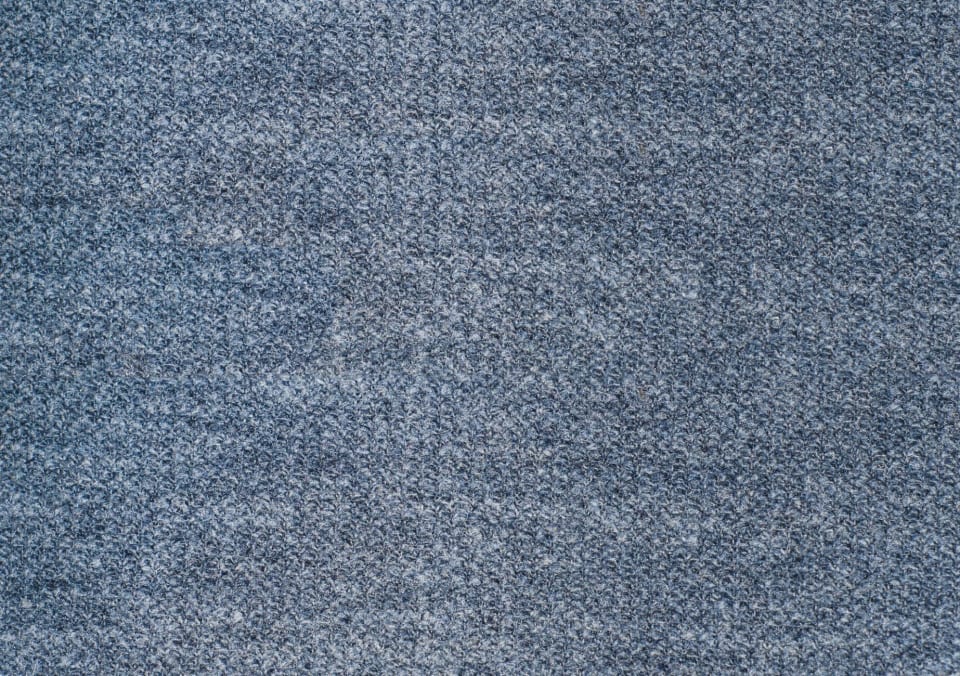
Angora is an extraordinarily soft, light and fluffy yarn from the wool of the Angora rabbit. Its chief traits are incredible tenderness, a 'cloudy' fluffy halo and exceptional warmth: the hollow fibres hold a lot of air, so angora warms far better than ordinary wool at less weight. Because of the fineness and slipperiness of the fibre, angora is almost always blended with wool or other threads for strength. It is knitted into sweaters, cardigans, hats and scarves that envelop the body in soft, almost weightless warmth. Angora requires careful handling — it is delicate and can shed. It is valued for its luxurious tactility and tender appearance. Angora is the embodiment of fragile, 'fluffy' tenderness, in which a natural fibre gives a feeling of warmth, softness and an almost fairy-tale cosiness.
Batiste
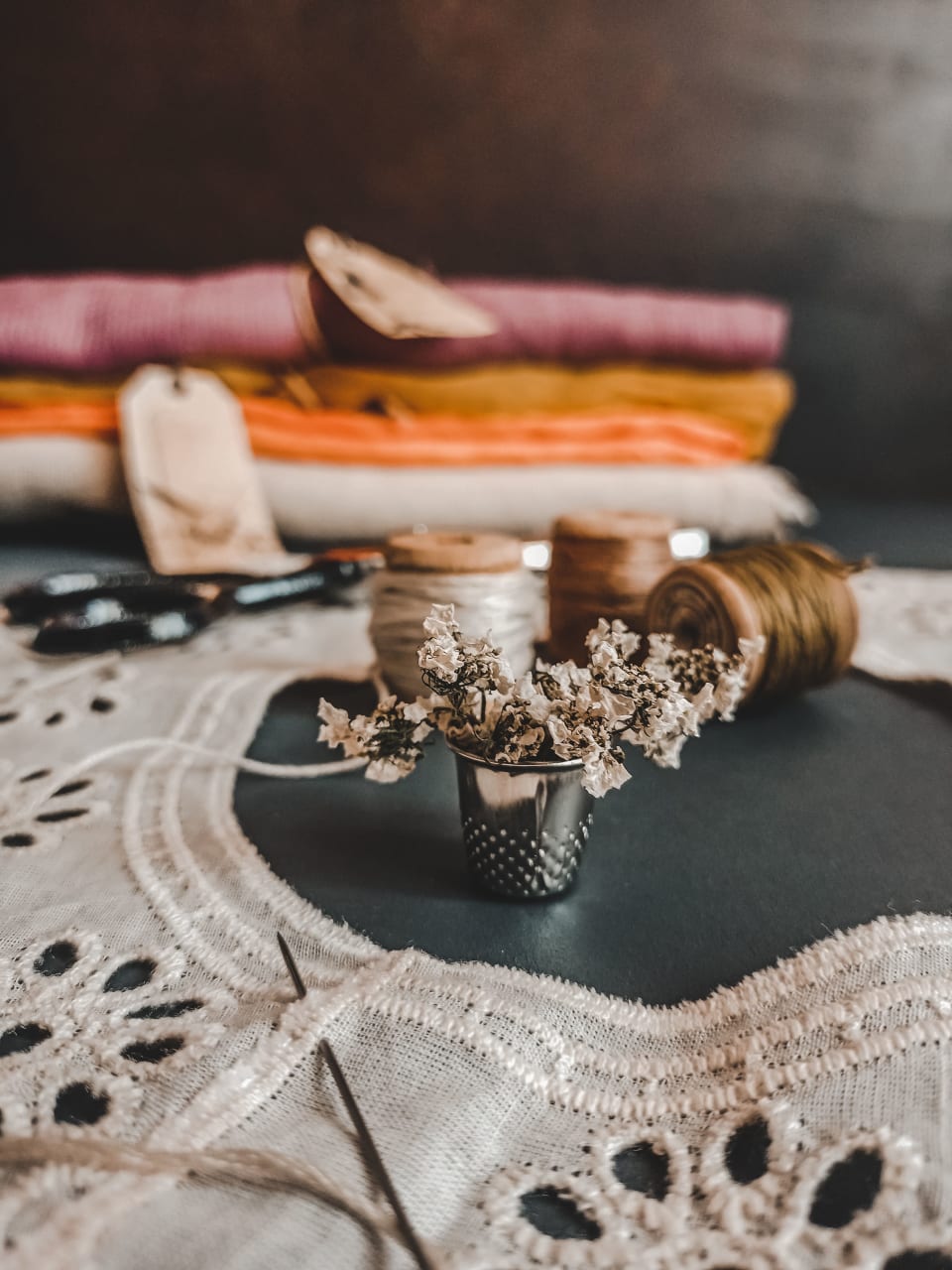
Batiste is a very fine, semi-sheer plain-weave fabric of cotton (occasionally linen) made from evenly spun fine yarn. By tradition the name is linked to Baptiste, a weaver from Cambrai, but this version has no historical basis. Light, soft to the touch and breathable, it was historically used for shirts, christening gowns, handkerchiefs, collars and lace-trimmed underlinen. In contemporary fashion it is prized for its near-weightless transparency in blouses, summer dresses and layered skirts. Its fineness demands a careful cut and gentle laundering, but it lends an air of refined simplicity.
Boucle
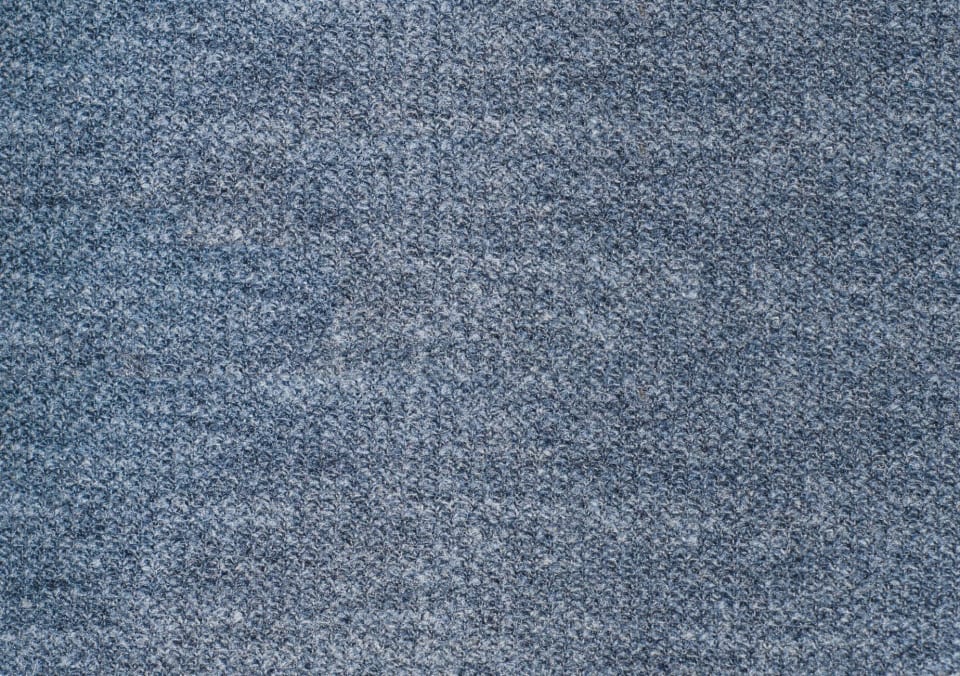
Bouclé is a textured fabric or yarn with characteristic loops, knots and curls that give the surface a voluminous, 'curly' texture. The effect is achieved by a special twisted bouclé thread in which one of the strands is set in free loops. The fabric is soft, warm, holds its shape well and does not crease, and its raised surface hides small flaws of a cut. Bouclé is forever tied to the name of Coco Chanel, who made it the signature of her legendary tweed jackets and suits — a symbol of quiet, aristocratic chic. Bouclé is used for jackets, coats, suits and dresses that sound at once luxurious and cosy. Bouclé is the embodiment of noble, 'tweedy' elegance, in which the rich texture of loops creates a recognisable, warm and invariably refined look in the spirit of classic French chic.
Brocade
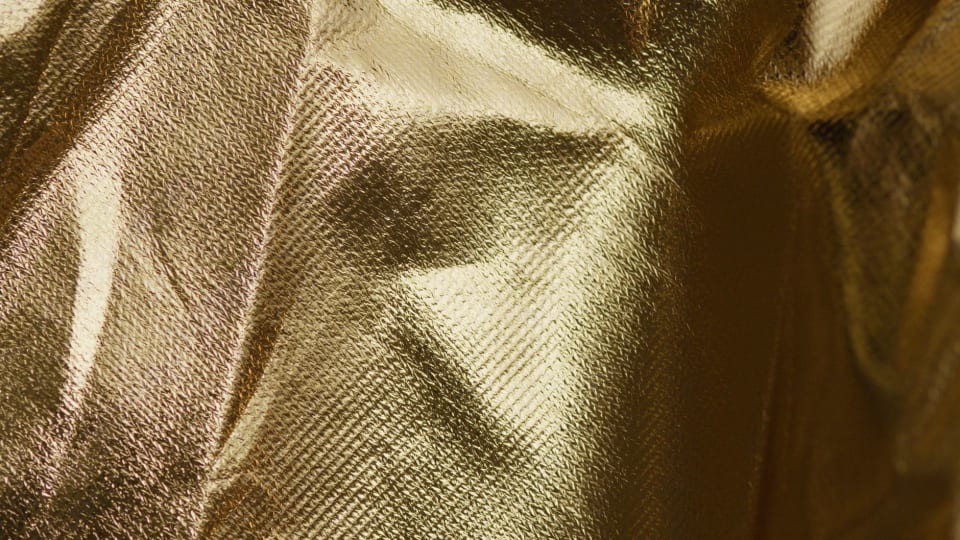
Brocade is a heavy, luxurious fabric with a complex raised pattern woven in (not printed) using additional metal or coloured threads, often gold or silver. The brocade pattern stands out above the surface, creating a bas-relief effect and a rich play of light. Historically brocade was one of the most precious fabrics, a symbol of power and wealth: it was used for church vestments, royal robes and court dress. China and Byzantium, and later Italy, are considered the homeland of refined brocade. Modern brocade is made of silk, viscose and synthetics, keeping its recognisable opulence. It is used in evening, bridal and theatrical dress, and in trimmings. Brocade is the embodiment of ceremonial luxury, in which the fabric itself becomes a work of decorative art.
Canvas
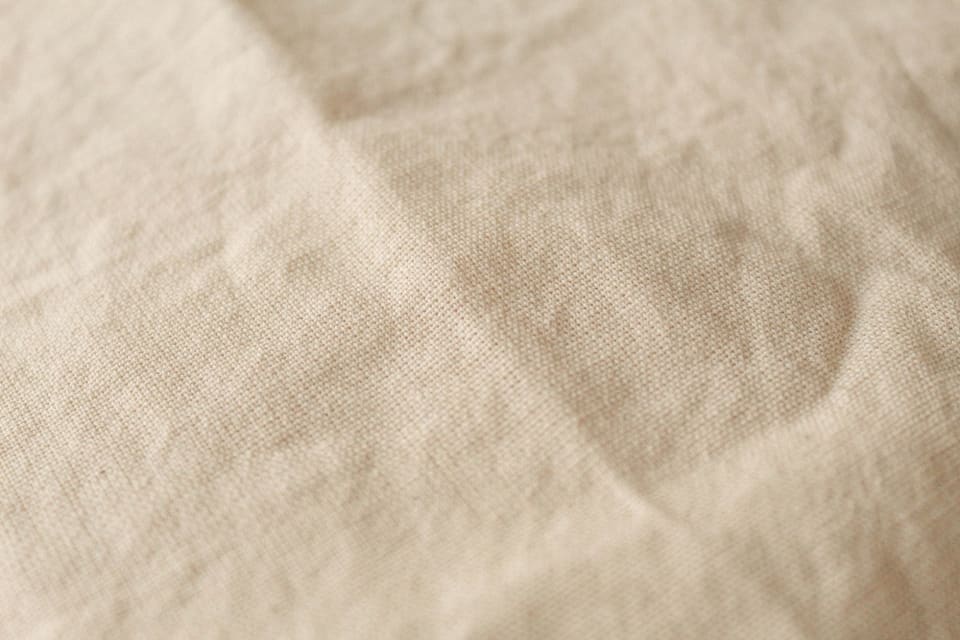
Canvas is a dense, strong plain-weave fabric, most often of cotton or linen, known for its exceptional wear resistance. Historically canvas (the word probably goes back to Latin cannapaceus, 'made of hemp') was used for ships' sails, tents, workwear and sacks — wherever rough strength was needed. Today canvas is the material of footwear (classic plimsolls), bags, backpacks, jackets, workwear and accessories. It holds its shape well, is resistant to tears and abrasion, and over time acquires a characteristic noble wear. Canvas comes in various densities and finishes, including waxed (water-resistant). It is valued for its practicality, durability and unpretentious, 'working' character. Canvas is a material of honest strength and utilitarian aesthetic, in which a simple, rough fabric becomes the foundation of reliable, durable pieces that are stylish in their simplicity.
Cashmere
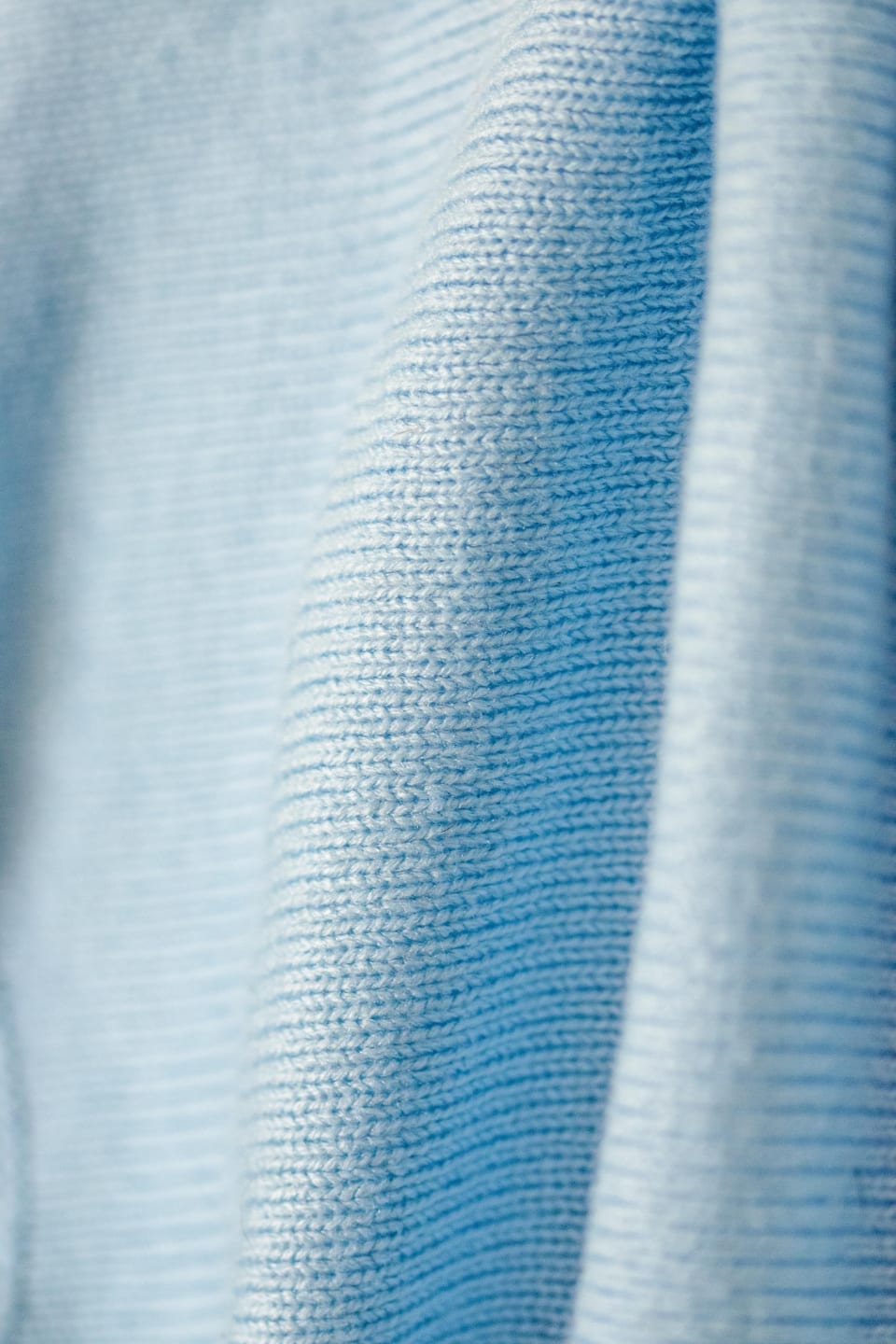
Cashmere is one of the most precious natural fibres — the fine downy undercoat of Kashmir goats that live in the highlands of Asia. A single goat yields only about 100–200 g of down a year, combed out by hand, which explains the price. Cashmere is extraordinarily soft and light yet several times warmer than ordinary wool, does not prickle and retains heat at very low weight. It is knitted into premium sweaters, shawls, coats and accessories. It is delicate: it fears friction and high heat, can pill, and needs gentle hand-washing and flat storage.
Chambray
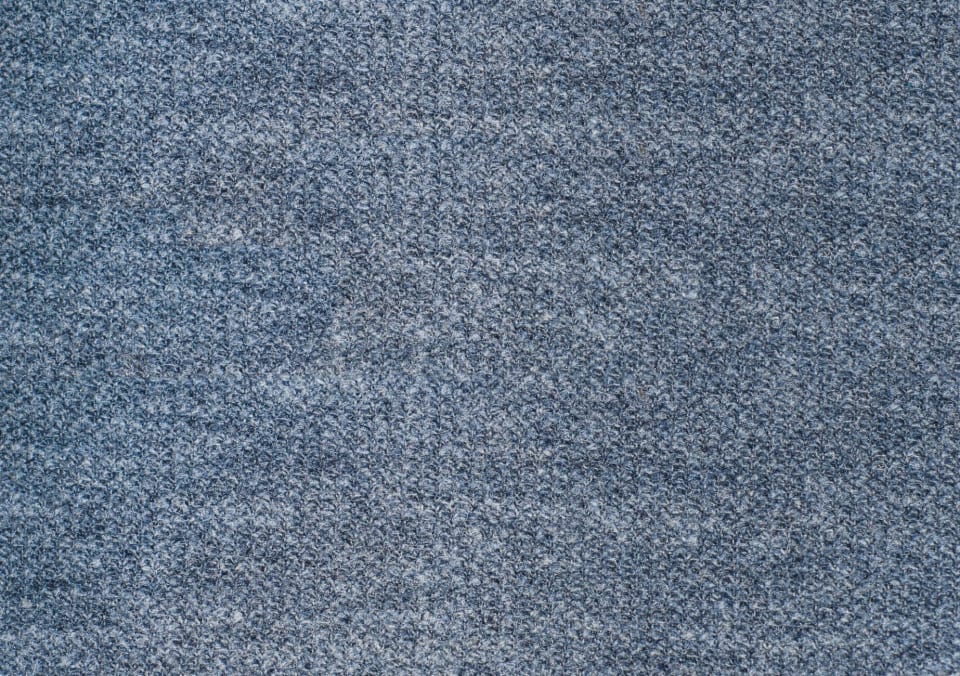
Chambray is a light plain-weave cotton fabric in which, as in denim, a coloured (most often blue) warp thread is combined with a white weft thread, so the cloth has a characteristic soft, 'dusted' shade. Despite an outward likeness to denim, chambray is fundamentally different: denim is woven in a twill weave (a diagonal rib), while chambray is a simple plain weave, so it is far thinner, lighter and softer. Historically chambray was the fabric of work shirts, and later became a classic of the relaxed, casual wardrobe. It is used for shirts, dresses and blouses — anything that needs lightness, comfort and a 'denim' mood without the weight of real denim. The name comes from the French town of Cambrai. Chambray is a summery, breathable alternative to denim: just as democratic, but much lighter and more delicate.
Charmeuse
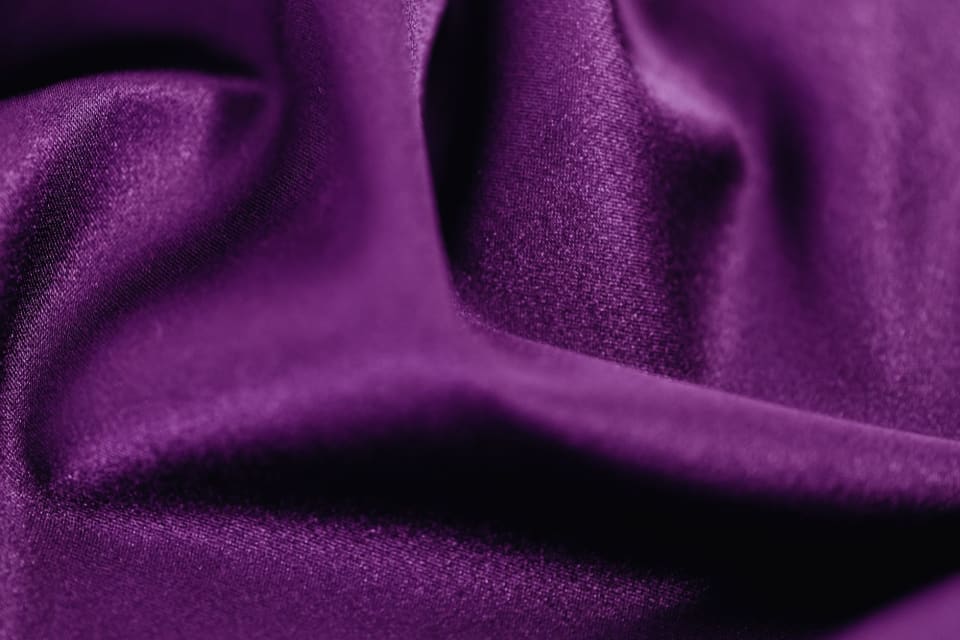
Charmeuse is a light, luxurious satin-weave fabric with an exceptionally smooth, lustrous face and a matte, slightly rough reverse. The name comes from the French charmeuse — 'enchantress', and fully matches its seductive character. Charmeuse is lighter and more fluid than classic satin: it streams softly, pours over the figure and envelops the body in a luxurious, almost liquid sheen. The fabric is made of silk or synthetics (polyester). It is used for evening and bridal dresses, lingerie, slips, blouses and anything that needs sensuality, drape and luxurious shimmer. Charmeuse requires careful cutting and handling because of its slipperiness. Charmeuse is the embodiment of sensual, 'liquid' luxury, in which satin sheen and flowing softness create an effect of refined, seductive elegance that pours over the body.
Other Fashion Dimensions
Continue Exploring
Related sections




