



CHIFFON
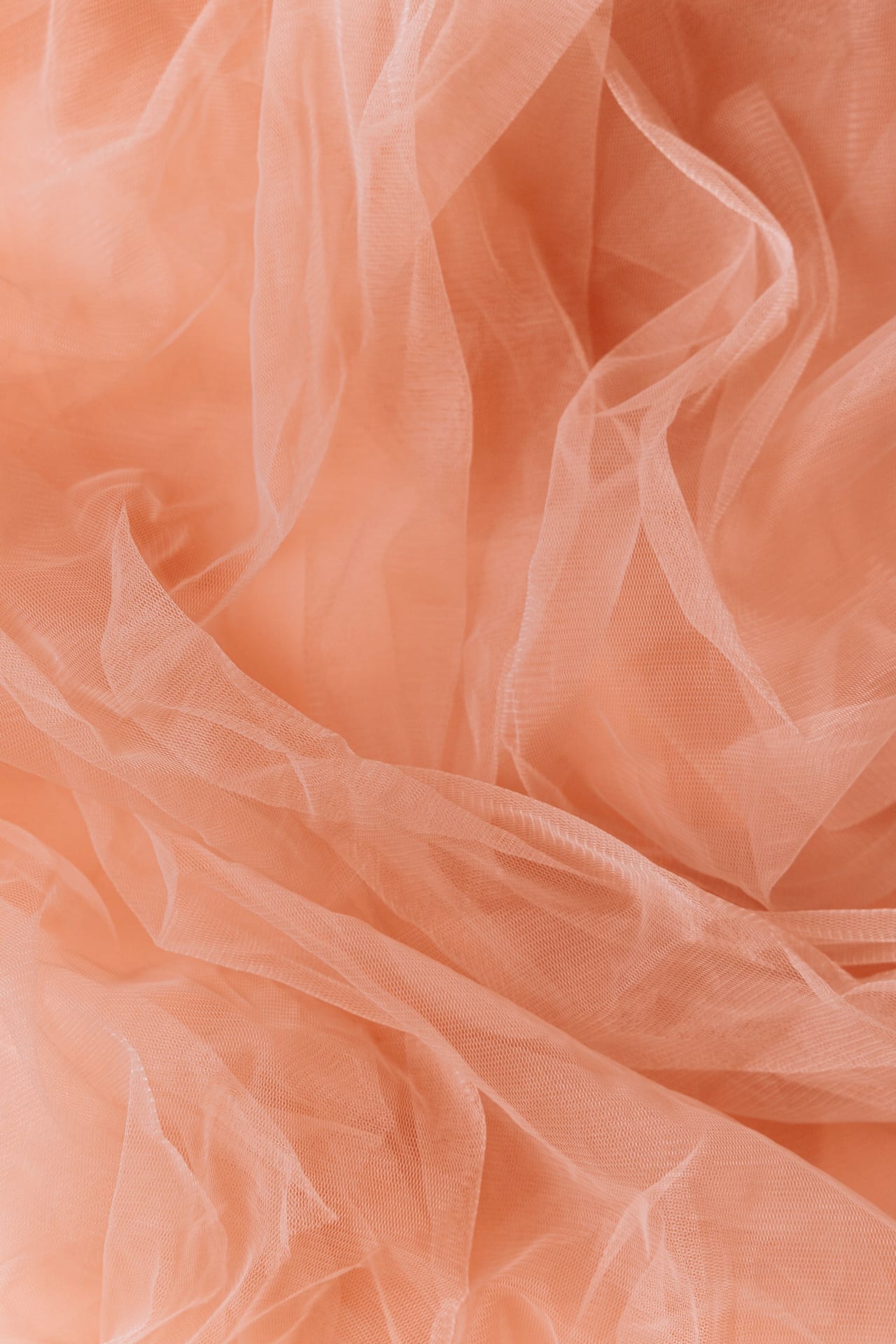
Chiffon is an extremely thin, light and semi-sheer plain-weave fabric made from tightly twisted yarn, historically silk and now also viscose or synthetics. Unlike stiff organza, chiffon is soft and fluid: it streams, falls in light waves and stirs almost imperceptibly with movement. This is why it is adored in evening dresses, blouses, scarves, ruffles and layered cutting, where airy, romantic lightness is wanted. Chiffon is very delicate and 'slippery' to work with: it stretches, frays at the edges and calls for skilful cutting and careful, gentle washing.
Chiffon is the lightest fabric in fashion, obtained from silk, polyester, or viscose in special weave with high-twist yarn. This is a material that literally flows, creating a movement effect even with small breath. Translucent, breathes, fantastically drapes.
Technical palette: silk chiffon (premium), polyester chiffon (wrinkle-resistant), crepe chiffon (with matte effect), printed chiffon. Ukrainian designers using chiffon — Larisa Lobanova, Galit, Frolov, Forma — for evening and cocktail dresses, blouses, scarves, lingerie. Chiffon requires lining for opacity, as it's see-through by itself. Classic colors — pastels (pink, lavender, mint, cream), bright (red, coral), dark (black, navy, emerald green).
Compare “Chiffon” with another term
Meaning, origins and distinction — side by side.
Distinction
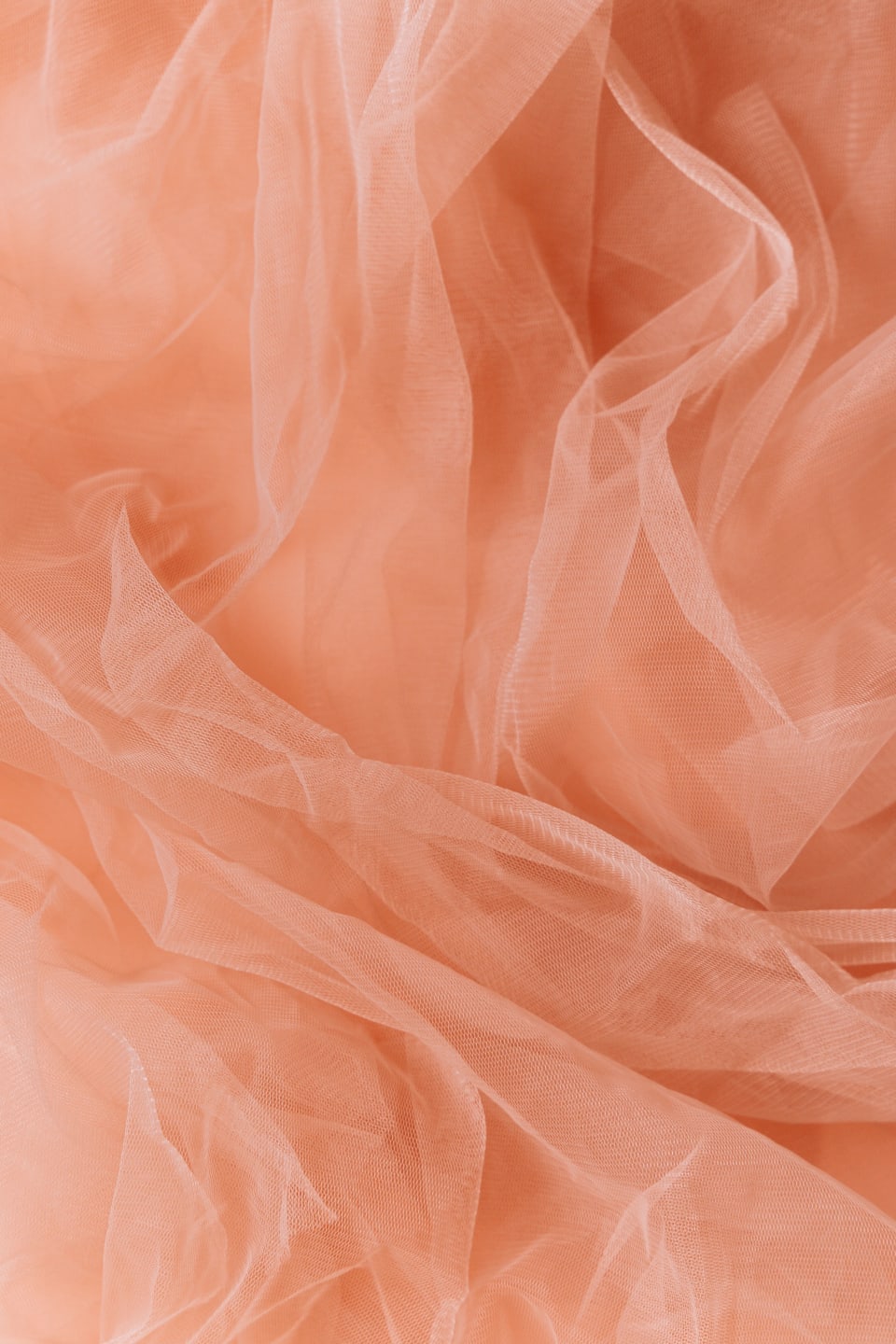
Both are sheer, lightweight fabrics, yet opposite in temperament. Chiffon is soft, matte and fluid — a crinkled gauze that falls in gentle waves, perfect for draping, flounces and layered skirts. Organza is crisp, papery and slightly glossy: it holds volume and shape, standing away from the body. A designer reaches for chiffon when flow is wanted, and organza when sculptural fullness is the goal.




