


CROSS-STITCH
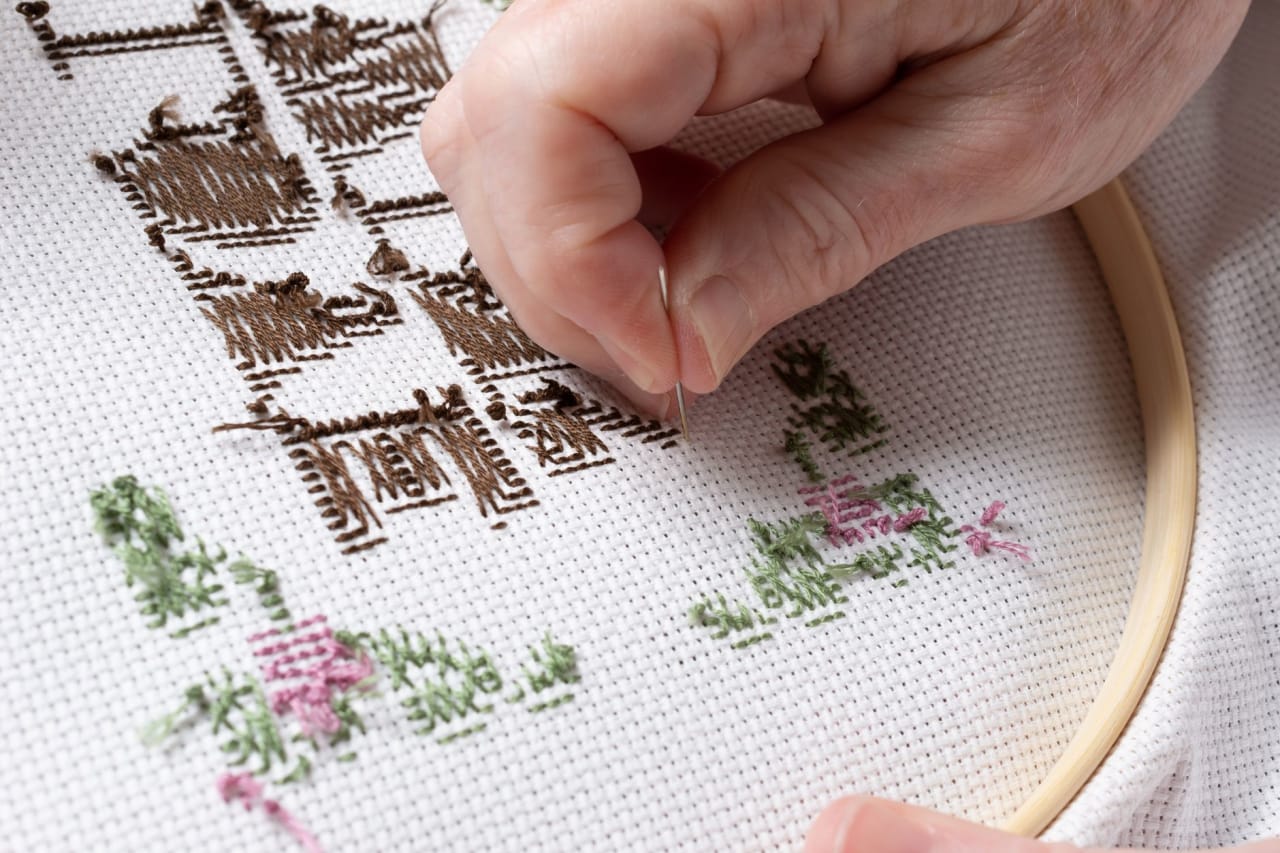
Cross-stitch is one of the oldest and most widespread embroidery techniques, in which the pattern is formed by identical stitches in the shape of a cross (×), set out according to a chart on evenweave fabric. Despite its simple basis, the technique allows extraordinarily complex, multicoloured ornaments and whole pictures to be created. For Ukraine cross-stitch is the heart of the folk tradition: it was used to adorn vyshyvankas, towels and shirts, and each region had its own patterns, colours and symbolism (talismans, floral and geometric motifs). Red-and-black cross-stitch became one of the symbols of Ukrainian culture. The technique requires evenness, rhythm and attention — all the crosses must lie in one direction. Cross-stitch is a technique of deep cultural memory, in which simple stitches build into protective ornaments that carry codes of identity across generations.
Compare “Cross-stitch” with another term
Meaning, origins and distinction — side by side.
Distinction
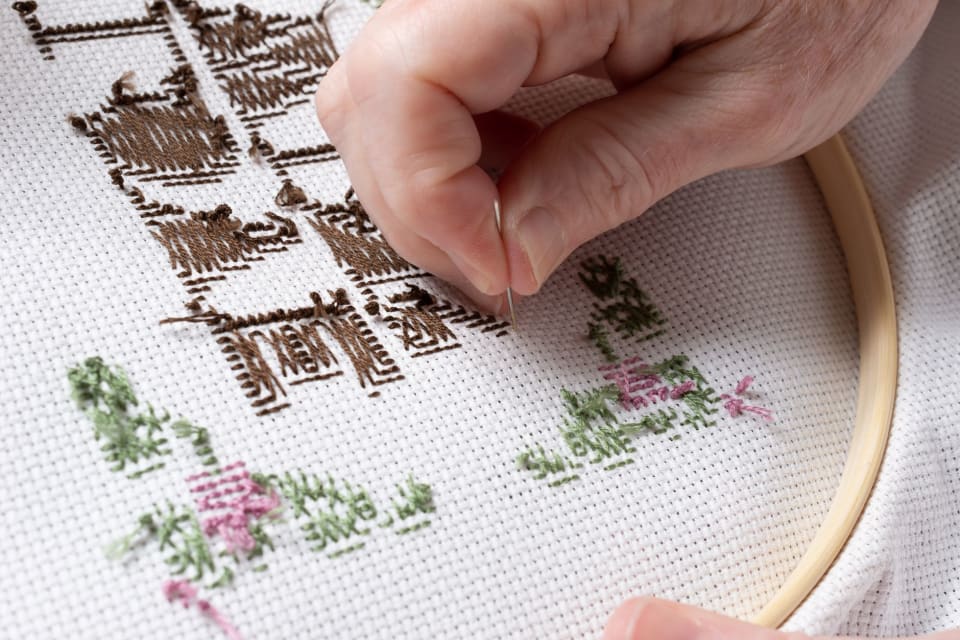
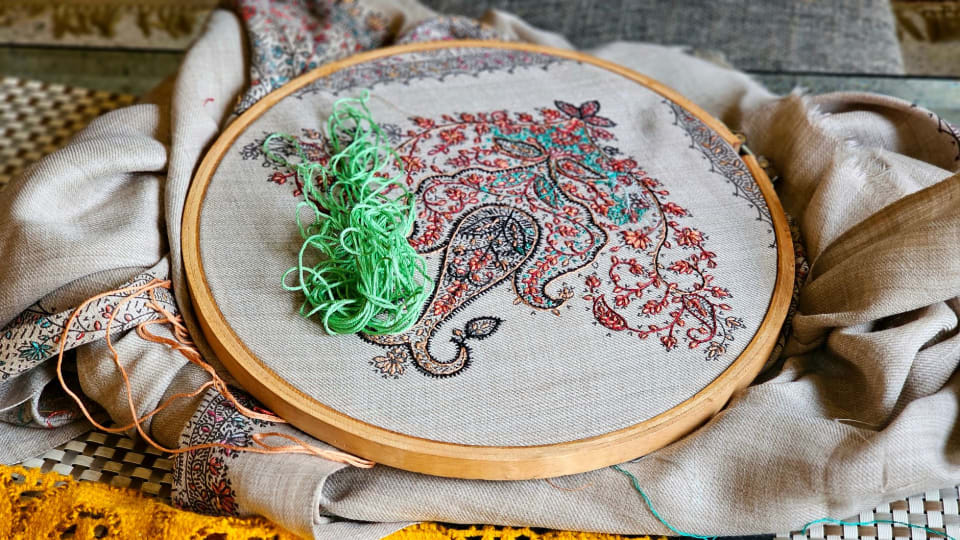
Two counted-thread techniques worked on canvas that are often confused. Cross-stitch forms its pattern with small X-shaped stitches on an even-weave ground, leaving the background exposed. Needlepoint fills the entire canvas with diagonal stitches, covering the ground completely and producing a dense, rug-like fabric. Cross-stitch is light and graphic; needlepoint is solid and heavily textured.




