



DENIM
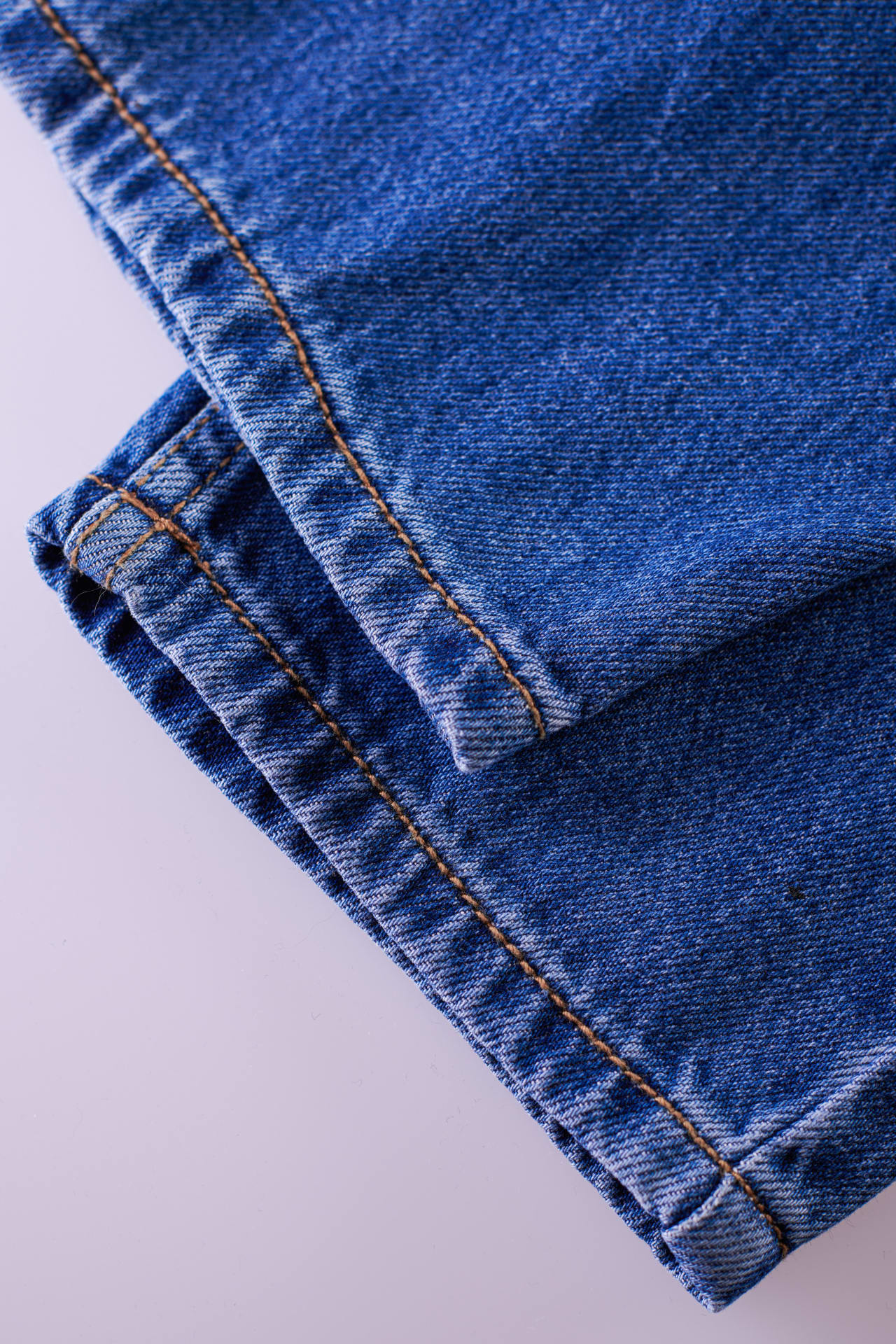
Denim is a sturdy cotton twill in which the warp threads are dyed indigo while the weft stays white, giving the characteristic blue face and paler reverse. Born as a workwear cloth (hence the jeans of gold miners and cowboys), denim became a universal symbol of the democratic fashion of the twentieth century. It is prized for its durability and for the way it 'ages' handsomely, acquiring individual fades and wear. Denim weight is measured in ounces: light for shirts and dresses, heavy for rigid jeans and jackets. It may shrink and bleed on first washing.
Denim (from the city of Nîmes in France — «de Nîmes») is a dense cotton fabric in twill weave with characteristic diagonal lines. Invented in the 17th century as a work fabric, denim became a universal fashion material thanks to Levi Strauss and his 501 jeans (1873).
Technical palette: raw denim, washed denim, distressed denim, selvedge denim (premium-edge), stretch denim (with elastane). Ukrainian brands working with denim — KSENIASCHNAIDER (experimental denim with puffs), Synevyr, Bobkova — create both classic jeans and innovative denim jackets, skirts, dresses. Modern sustainable denim uses organic cotton, recycled fibers, eco-friendly washing without chemicals.
Compare “Denim” with another term
Meaning, origins and distinction — side by side.
Distinction
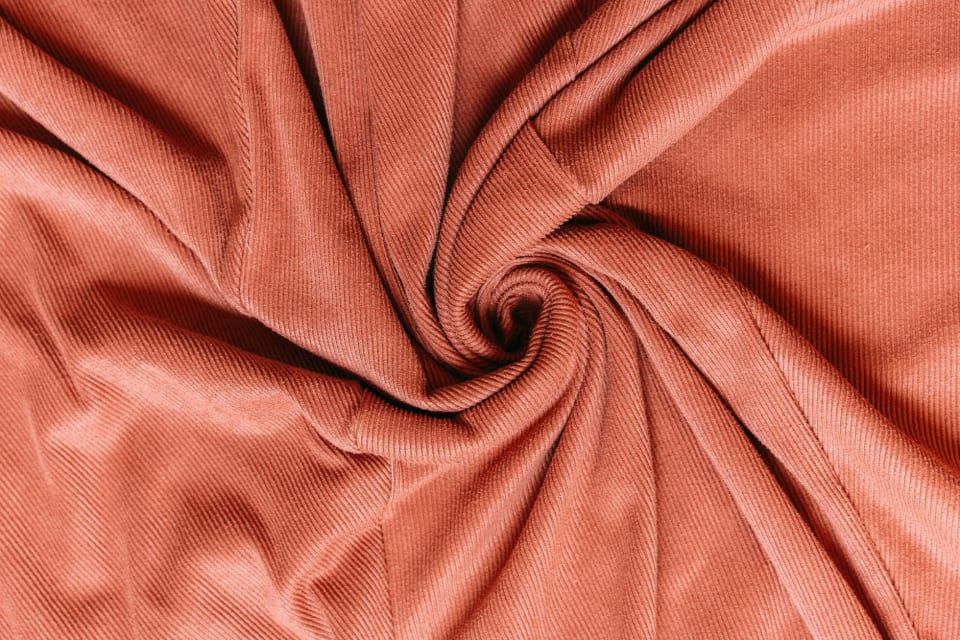
Denim is a sturdy cotton twill with a distinctive diagonal ribbing, classically dyed indigo in the warp while the weft stays pale, and it is the fabric of jeans. Corduroy is woven with raised lengthwise ridges of cut pile, soft and warm to the touch, with a matte velvety surface. Denim is smooth, dense and cooler, whereas corduroy is textured, plush and more wintery; both began as workwear fabrics that became casual-wardrobe staples.




