



EMERALD
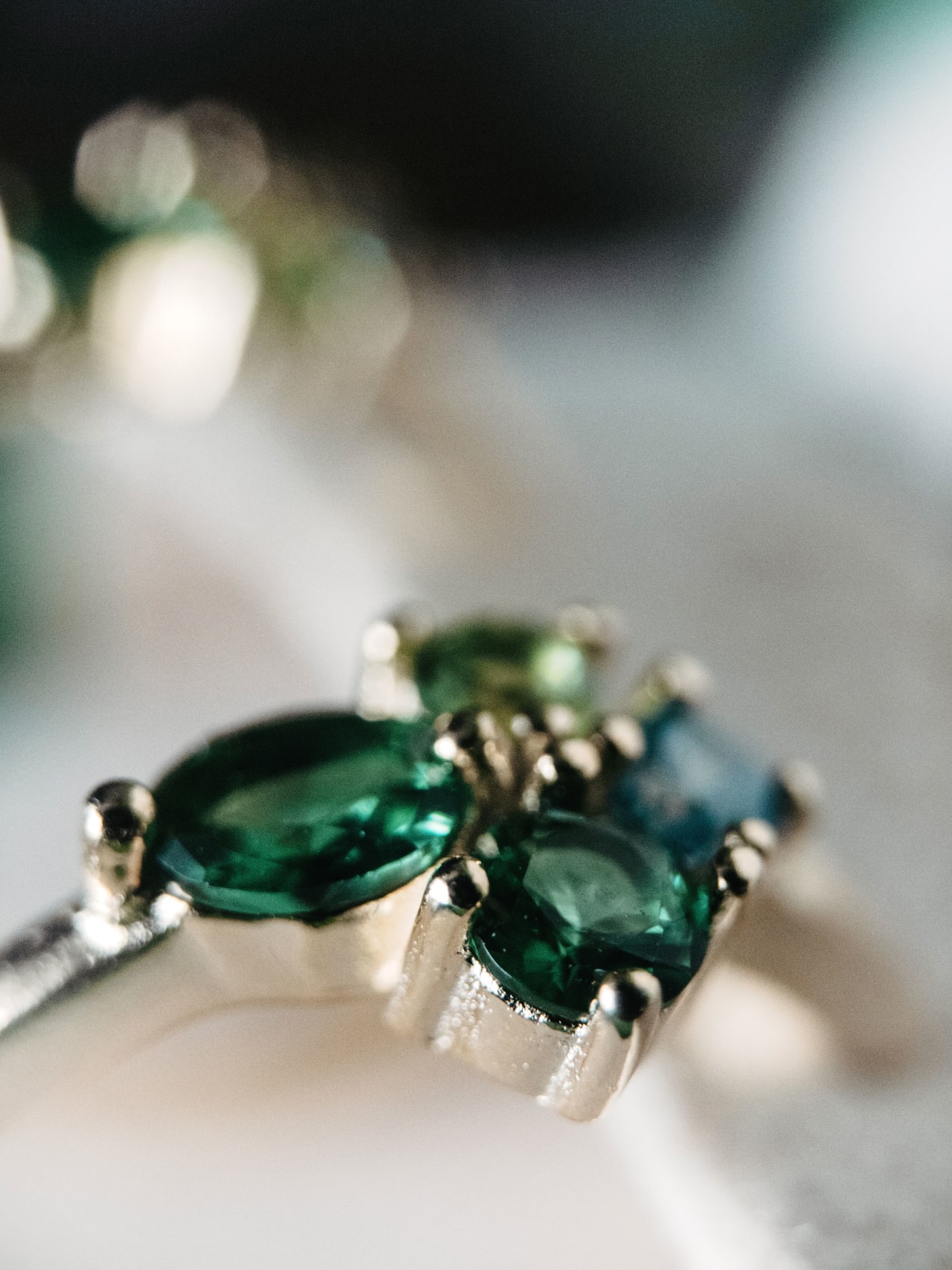
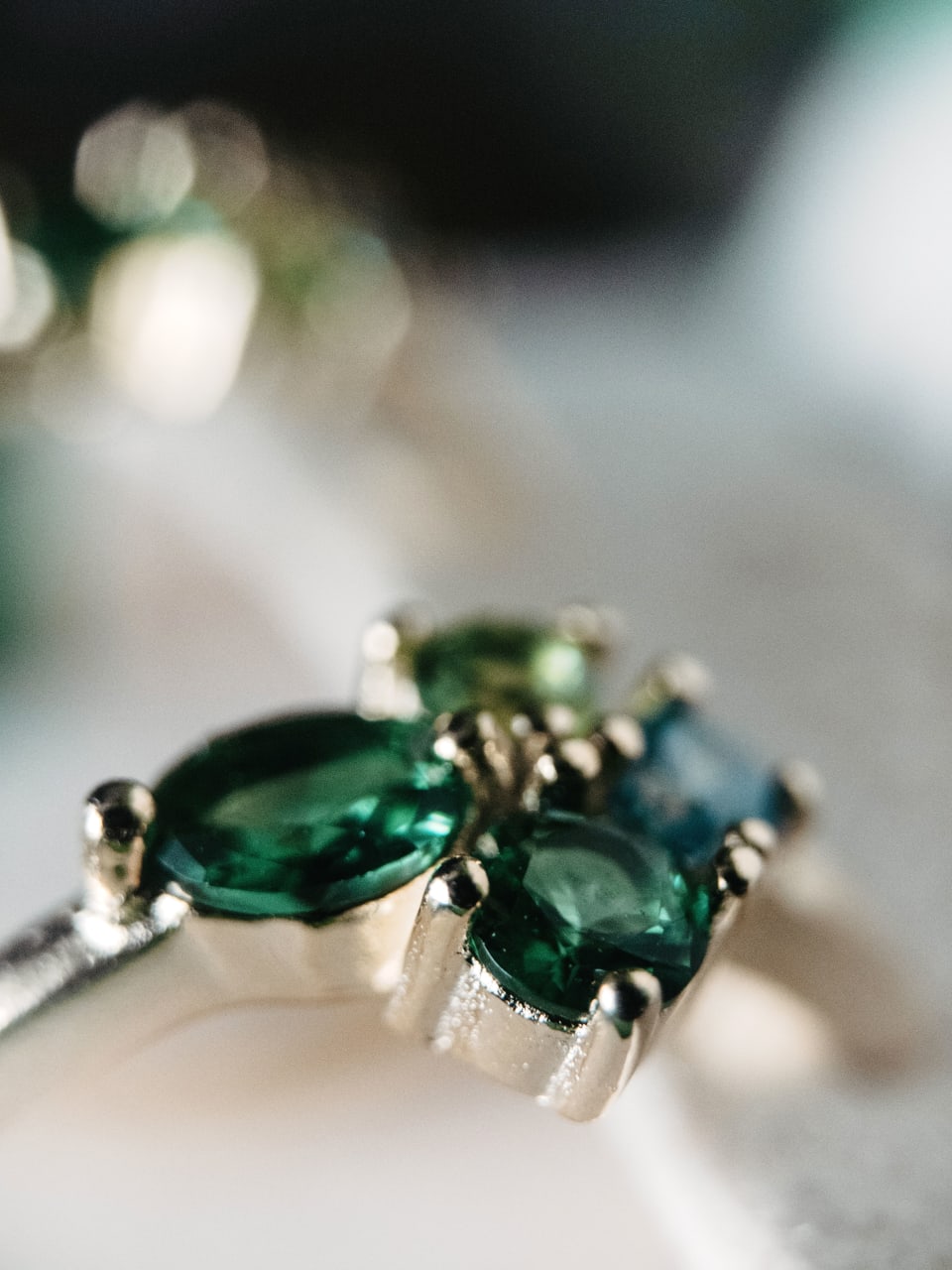
The emerald is a precious variety of the mineral beryl of a deep green colour given by traces of chromium and vanadium. The emerald is one of the 'great' gems, sung of since antiquity; the emerald mines of Cleopatra were famous. Its green symbolised spring, rebirth, hope and eternal youth. Unlike the hard ruby and sapphire, the emerald is more fragile and almost always has natural internal 'inclusions' — the so-called 'jardin' (garden), which jewellers regard not as a flaw but as nature's 'fingerprint', a confirmation of authenticity. The most valuable stones have a pure grass-green tone. The emerald lends a look a rich, living and luxurious colour.
Compare “Emerald” with another term
Meaning, origins and distinction — side by side.
Distinction
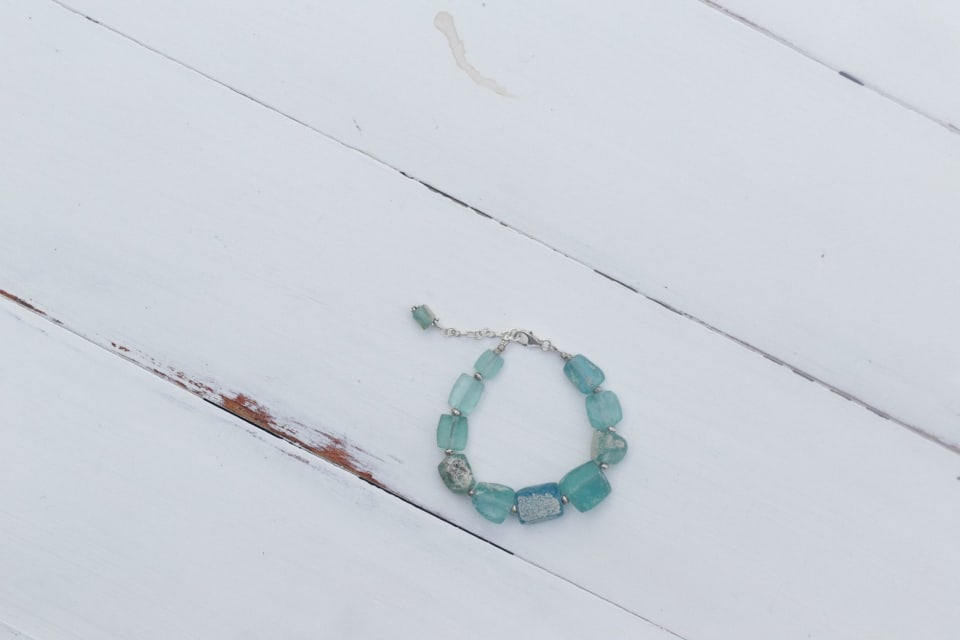
Both stones belong to the same mineral, beryl, so they differ only in the trace elements that colour them. Emerald is tinted by chromium and vanadium to a rich grassy green, and it almost always contains internal inclusions that jewellers fondly call a garden. Aquamarine is tinted by iron to a clear sky blue and is usually far cleaner, with few visible flaws. Emerald is more brittle and more costly, while aquamarine is harder, clearer and calmer in tone.




