


TIE
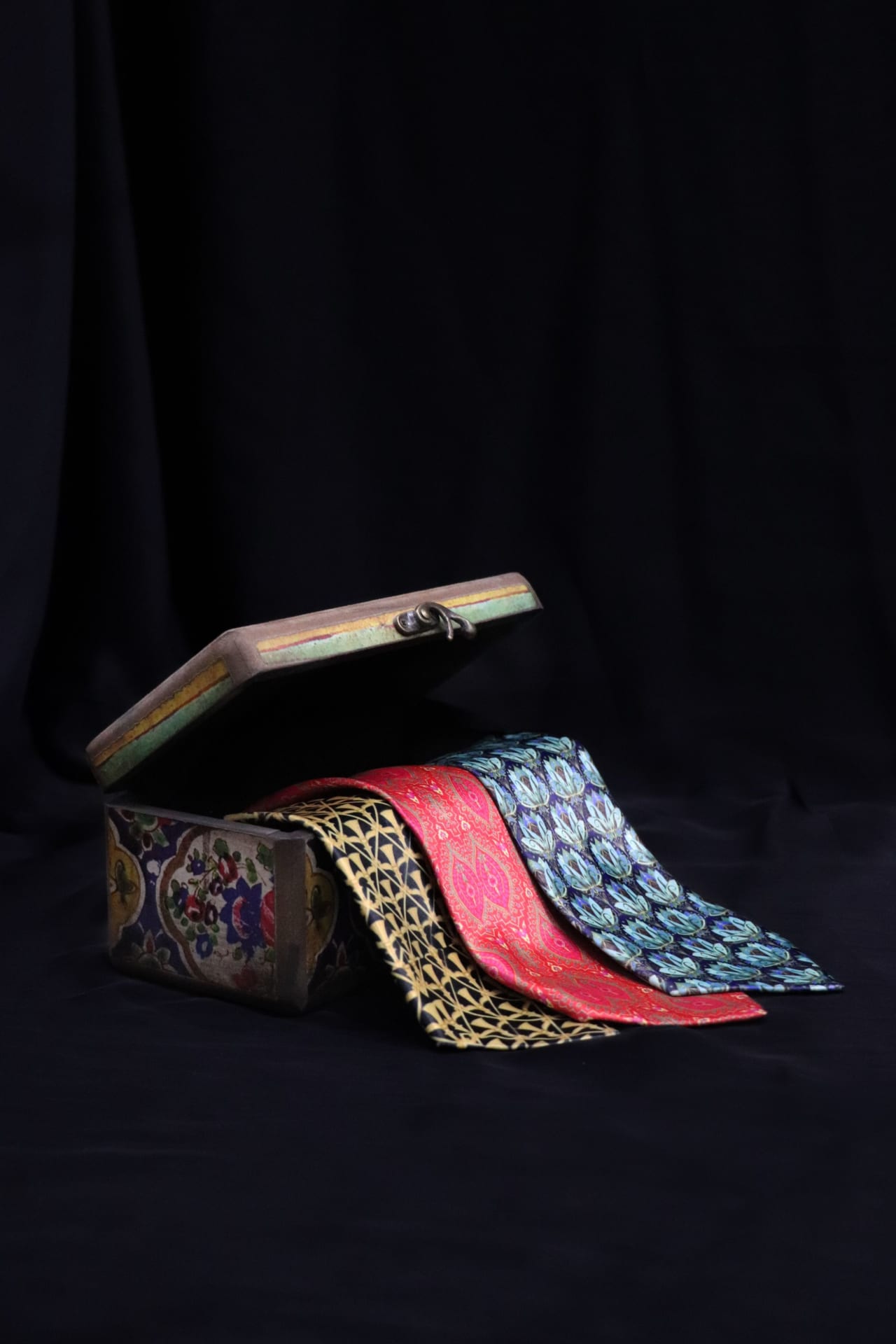
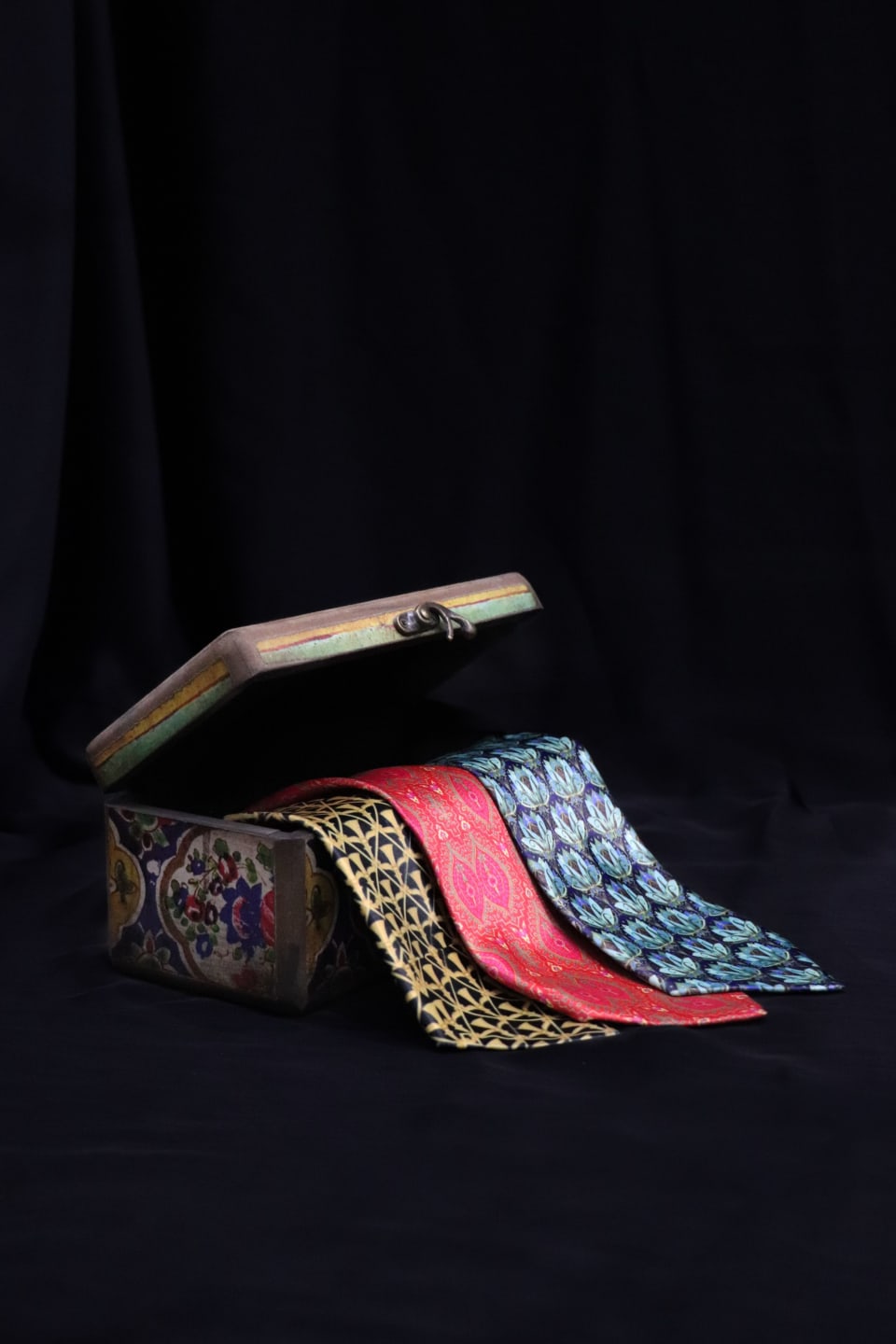
A tie is a strip of fabric knotted around a shirt collar and hanging down — the central accessory of the classic men's (and today women's) suit. Despite its almost purely decorative function, the tie has for centuries remained the main mark of business etiquette and occasion: it sets the tone of the whole look, and its colour, pattern and knot say a great deal about the wearer's taste and mood. Historically the tie descends from the neckcloths of 17th-century Croatian cavalrymen (hence the French cravate). The knot is an art of its own: from the classic four-in-hand to the symmetrical Windsor. The width and pattern of a tie reflect the era and style. A well-chosen tie is the finishing touch that turns a mere suit into a complete, considered look. It is a symbol of formality, status and attention to detail.
Compare “Tie” with another term
Meaning, origins and distinction — side by side.
Distinction
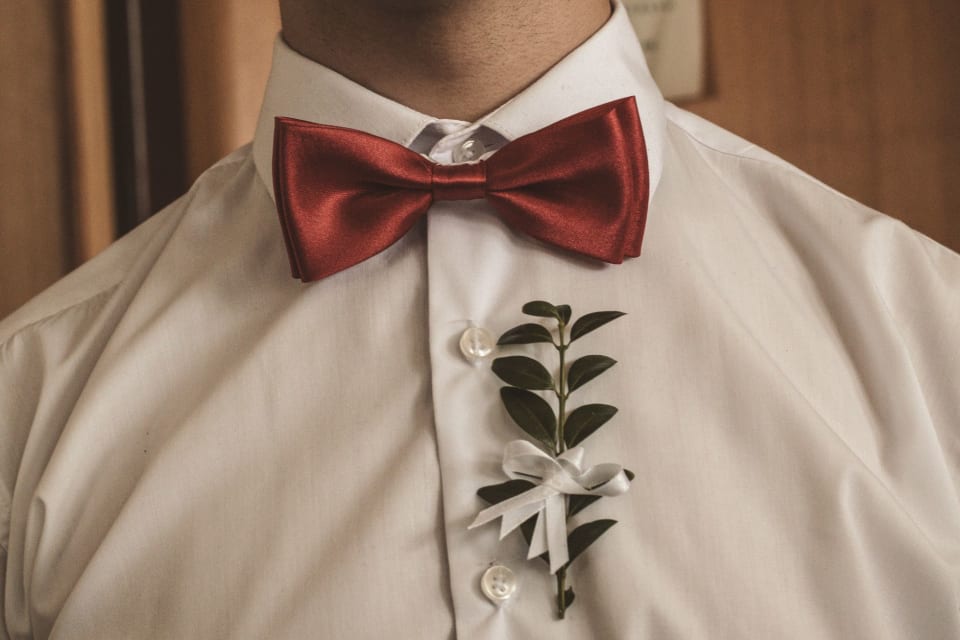
Two classic collar accessories with different silhouette and code. The tie is a long strip of fabric knotted at the throat and hanging vertically down the shirt — versatile from office to formal wear. The bow tie is a short band tied in a bow horizontally under the collar, more formal and ceremonial, mandatory for black-tie dress codes. The tie lengthens the torso line; the bow tie accents the neck itself.




