

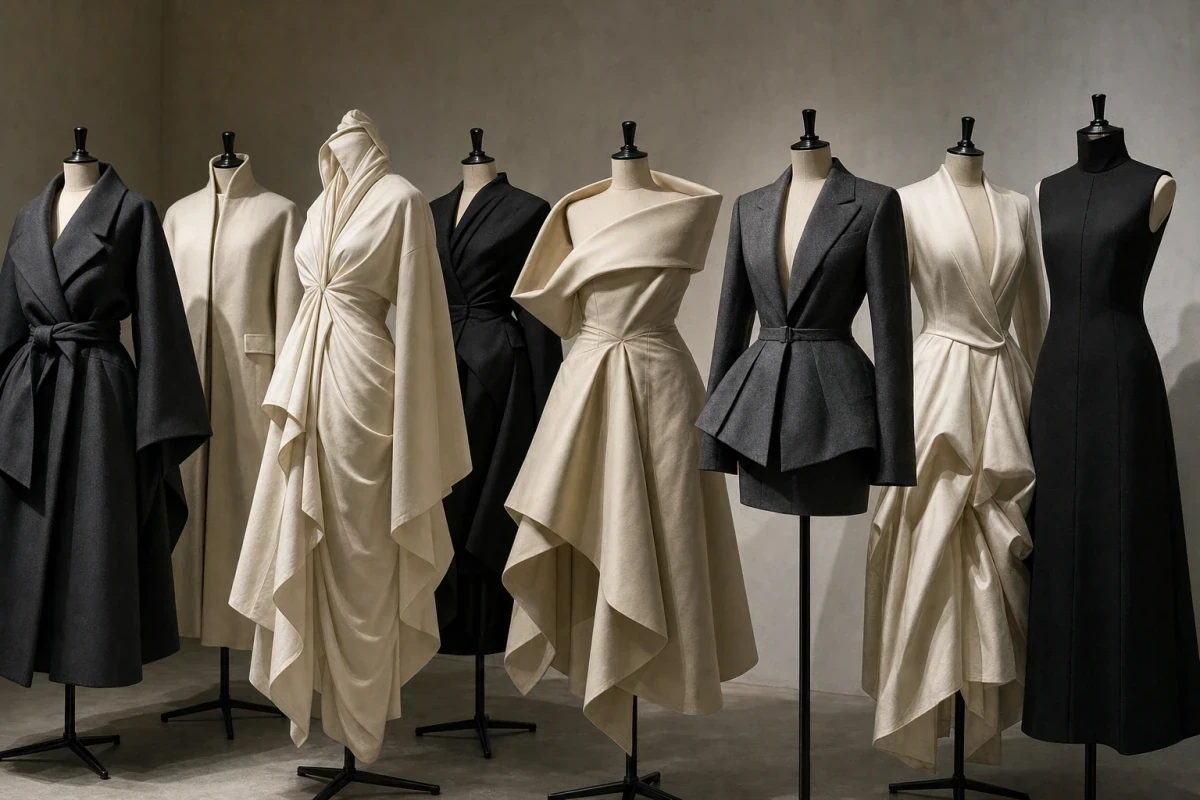
The Architecture of Silhouette53 silhouettes
Silhouettes
The lines that shape an outfit — from A-line to oversize.
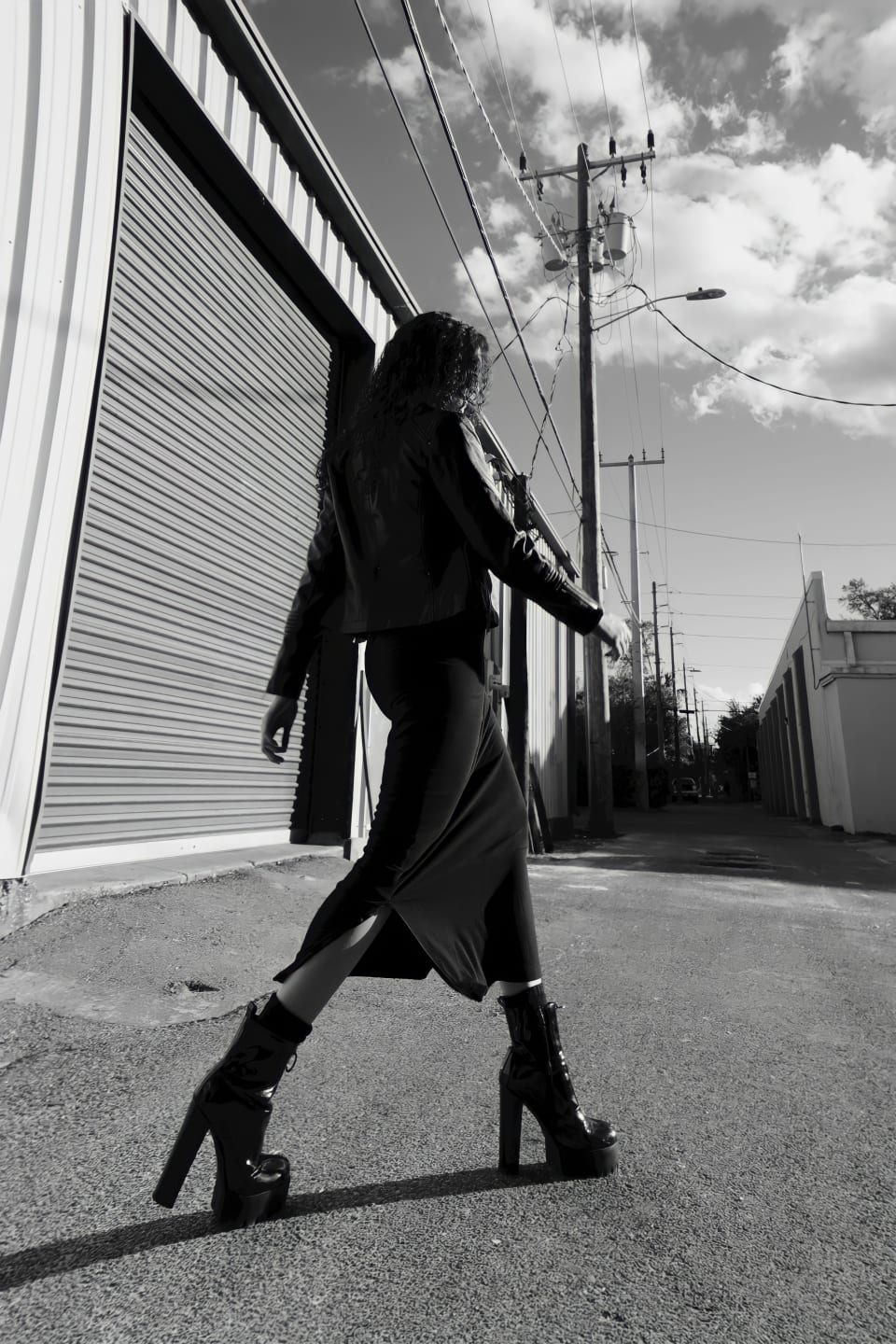
A-line
The A-line is a garment shape that fits closely at the top (shoulders, bust or waist) and widens smoothly toward the hem, tracing the outline of a capital letter A. The term was introduced by couturier Christian Dior in his Spring 1955 collection as a development of his New Look. The A-line is versatile and remarkably flattering: it skims the hips, adds lightness and suits almost every body type. It is used in dresses, skirts and coats. Thanks to its balance between a restrained top and a free hem, the A-line remains one of the most classic and popular cuts in the history of fashion.
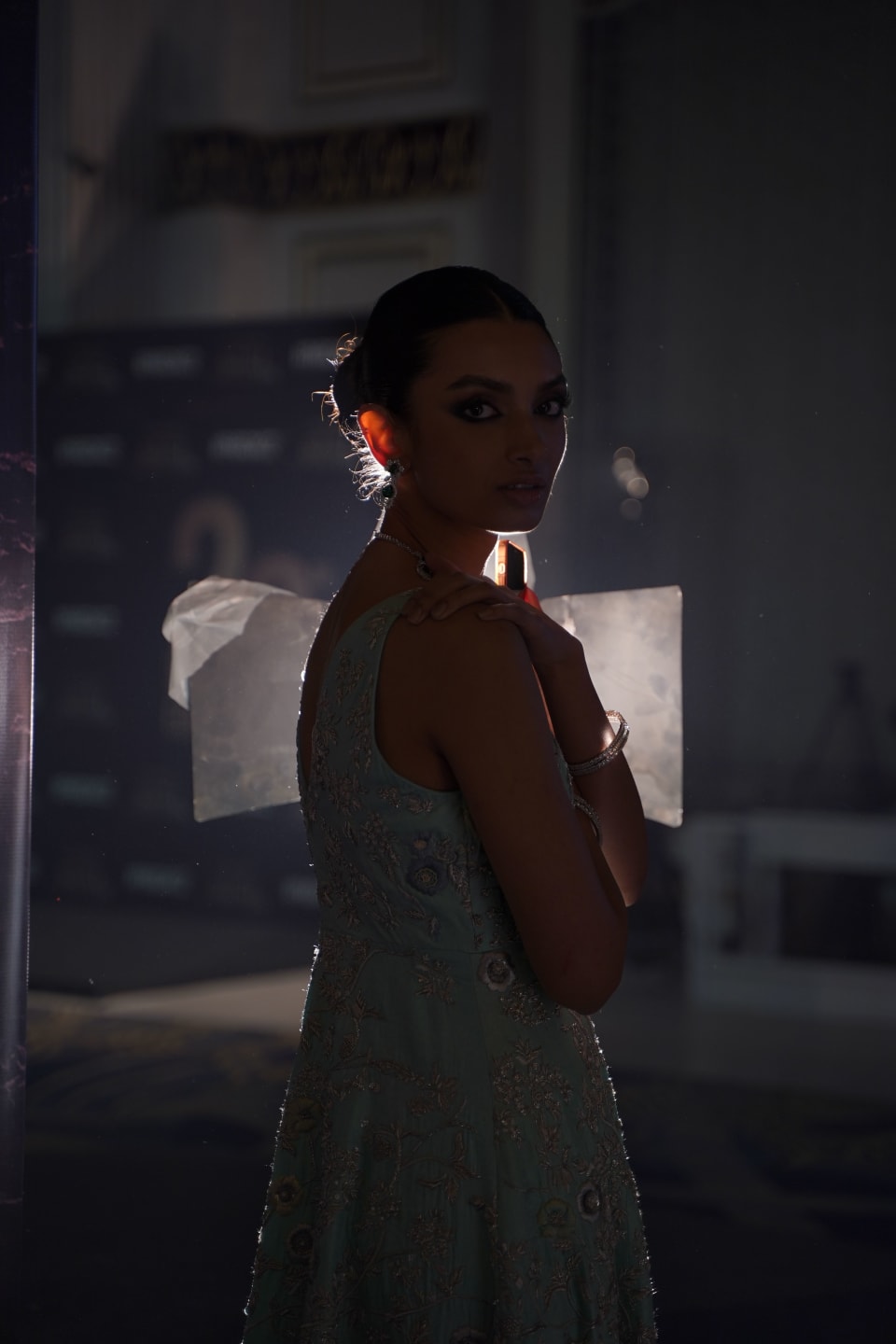
Ball gown
The ball gown is the most ceremonial and dramatic silhouette in fashion: a fitted bodice flows into a full, voluminous floor-length skirt, often over petticoats, crinolines or a frame. It is the silhouette of grand occasions — balls, weddings, opera premieres — designed to make an impression and to accentuate a slim waist by contrast with the wide hem. Historically its volume was held on a crinoline or panniers, today on layers of tulle or organza. The ball gown demands a great deal of fabric, skilful cutting and room to move; it is rarely practical, but it unfailingly creates a sense of celebration and fairy tale.
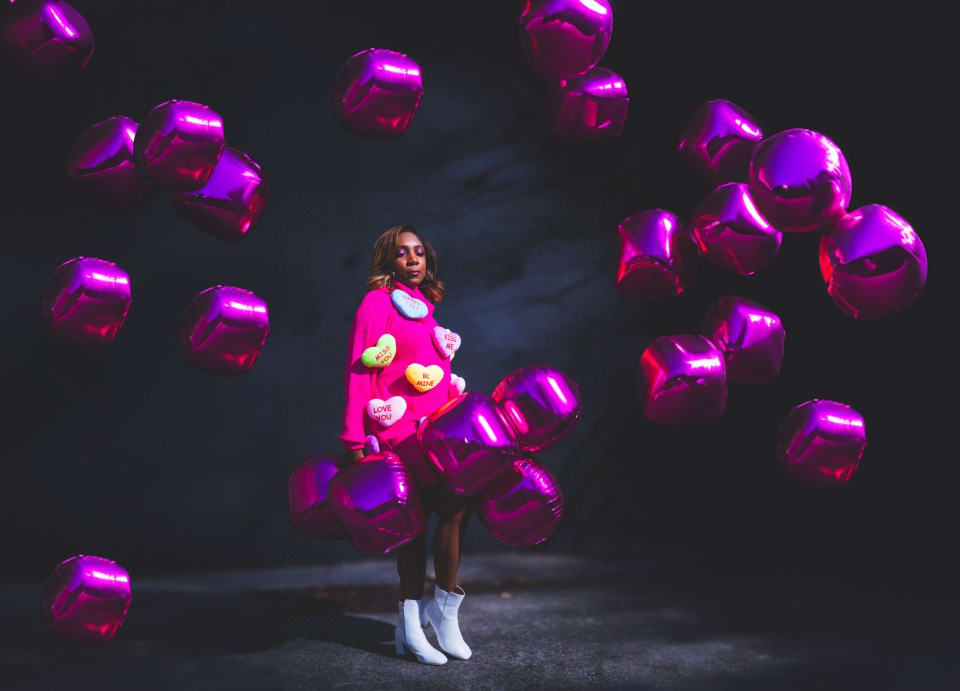
Balloon
Balloon is a voluminous silhouette with a characteristic rounded, 'inflated' shape that widens downward and gathers at the edge, creating the effect of a balloon. This device is used in skirts (the balloon skirt), dresses, sleeves (the balloon sleeve) and even trousers. The volume is achieved through gathers, a lining or an inner hem that draws in the bottom of the piece. The balloon silhouette is playful, dramatic and attention-grabbing, adding architectural quality and theatricality to a look. It now disappears, now returns vividly to the runways when fashion is ruled by a love of volume and form. Balloon works well on contrast: a voluminous top or bottom is balanced by a fitted opposite. It is a silhouette of bold statement, in which volume and roundness of form turn clothing into a sculpture that plays with the space around the body.

Bardot
Bardot is a kind of off-shoulder cut named after the French actress Brigitte Bardot, who made it a symbol of effortless, sensual elegance in the 1960s. In the Bardot silhouette a wide neckline drops from both shoulders, baring them, and often also has a short sleeve wrapping the arm below the shoulder. Unlike the symmetrical off-shoulder, Bardot is associated precisely with retro chic and French coquetry. Such a neckline accentuates the shoulders and décolletage, adding femininity and distinction to a look. Bardot is used in dresses, blouses and tops, especially in evening and summer dress. It suits those who wish to emphasise the shoulders and collarbones. Bardot is a silhouette of retro femininity and French charm, in which bared shoulders create an effect of effortless, seductive and slightly nostalgic elegance.

Blazer
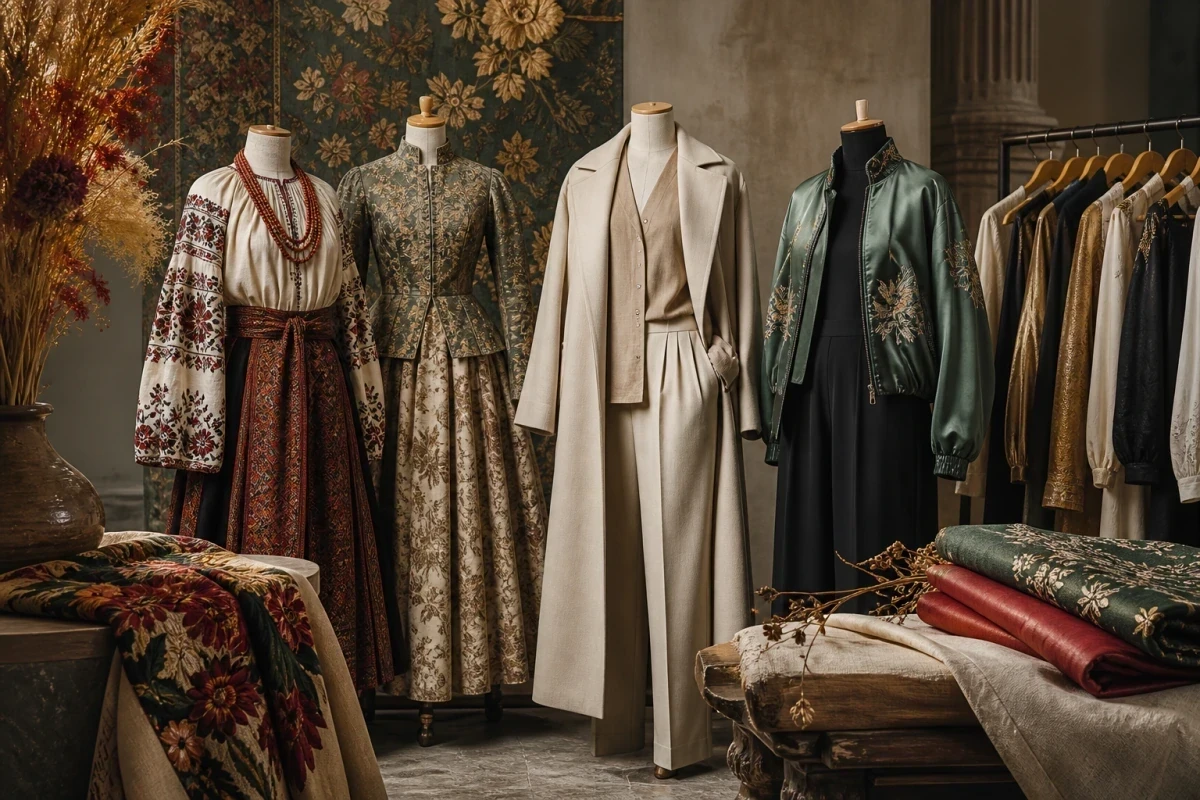
The blazer is a structured jacket with defined shoulders and lapels that has given its name to an entire silhouette — sharp, businesslike, with a pronounced shoulder line and a shaped torso. Historically the blazer descends from uniform and sporting dress (19th-century club and rowing jackets) and later became a cornerstone of women's and men's business wardrobes. The blazer silhouette lends the figure structure and authority, 'pulls a look together' and works equally well with trousers, a skirt or a dress. Its strength is versatility: the same cut can be formal or, with the right details, effortlessly fashionable.

Boat neck
Boat neck is a wide, shallow neckline that runs in an almost horizontal line from shoulder to shoulder, slightly baring the collarbones and the base of the neck. The shape resembles the outline of a boat, hence the name (in French, bateau). Such a neckline elegantly accentuates the line of the shoulders and collarbones, visually widens the top of the figure and balances wide hips, so it is considered very refined and feminine. Boat neck is a classic of French chic, inseparably tied to striped Breton tops and the aesthetic of ballet. It is widely used in knitwear, blouses, dresses and tops. It adds restrained, aristocratic elegance to a look without excess frankness. Boat neck is a silhouette of refined, 'French' elegance, in which a wide horizontal neckline emphasises the shoulders and collarbones, creating an effect of restrained, noble and timeless femininity.
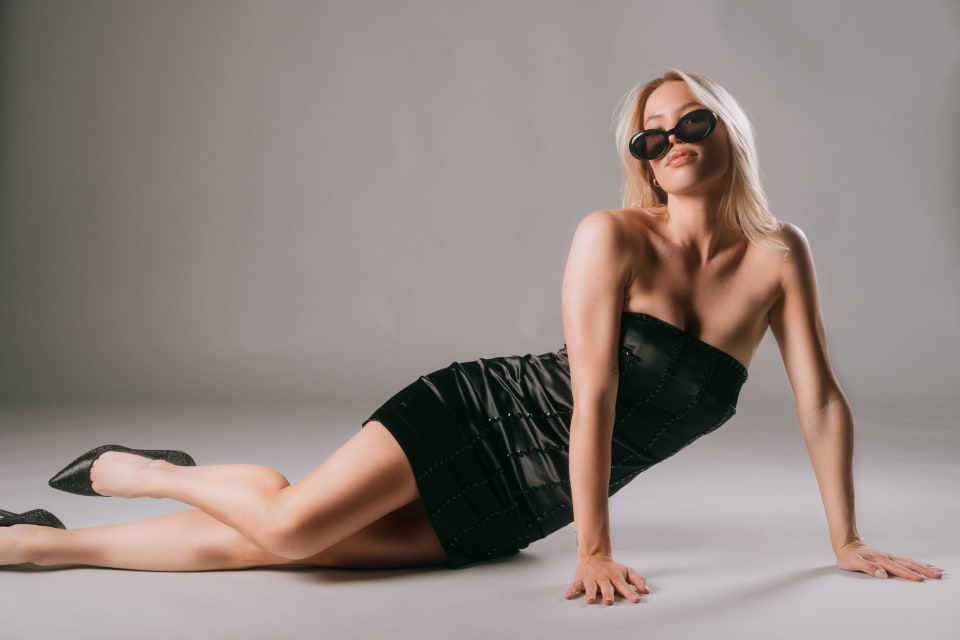
Bodycon
Bodycon is a tightly fitting silhouette that follows the contours of the body, emphasising every curve of the figure. The name comes from the English 'body-conscious'. This effect is achieved thanks to elastic, stretchy fabrics (with added elastane) and a minimalist cut almost free of extra detail. Bodycon dresses, skirts and tops create an expressive, sensual and confident look, so they are often chosen for evening outings. The silhouette gained particular popularity in the 1980s and 1990s and has returned to fashion regularly since. Bodycon requires a quality fit and a well-holding fabric to look elegant rather than vulgar. It is a silhouette of boldness and femininity, in which clothing becomes a second skin, emphasising the body's natural form with maximum frankness.

Bootcut
Bootcut is a trouser silhouette that hugs the hip and knee and, from the knee down, widens slightly to lie freely over footwear, especially boots (hence the name bootcut). It is a moderate, more restrained version of the flare: the widening here is barely perceptible and delicate rather than dramatic. Such a cut visually balances the figure, lengthens the legs and hides the volume of footwear, so it is considered one of the most versatile and 'proportional' trouser silhouettes. Bootcut was extremely popular in the 1990s and 2000s, and now returns to fashion cyclically. It is made mostly of denim, but of other fabrics too. Bootcut is a silhouette of balanced, versatile elegance, in which a slight widening at the bottom harmonises the figure's proportions, creating a slim, neat and invariably appropriate look.
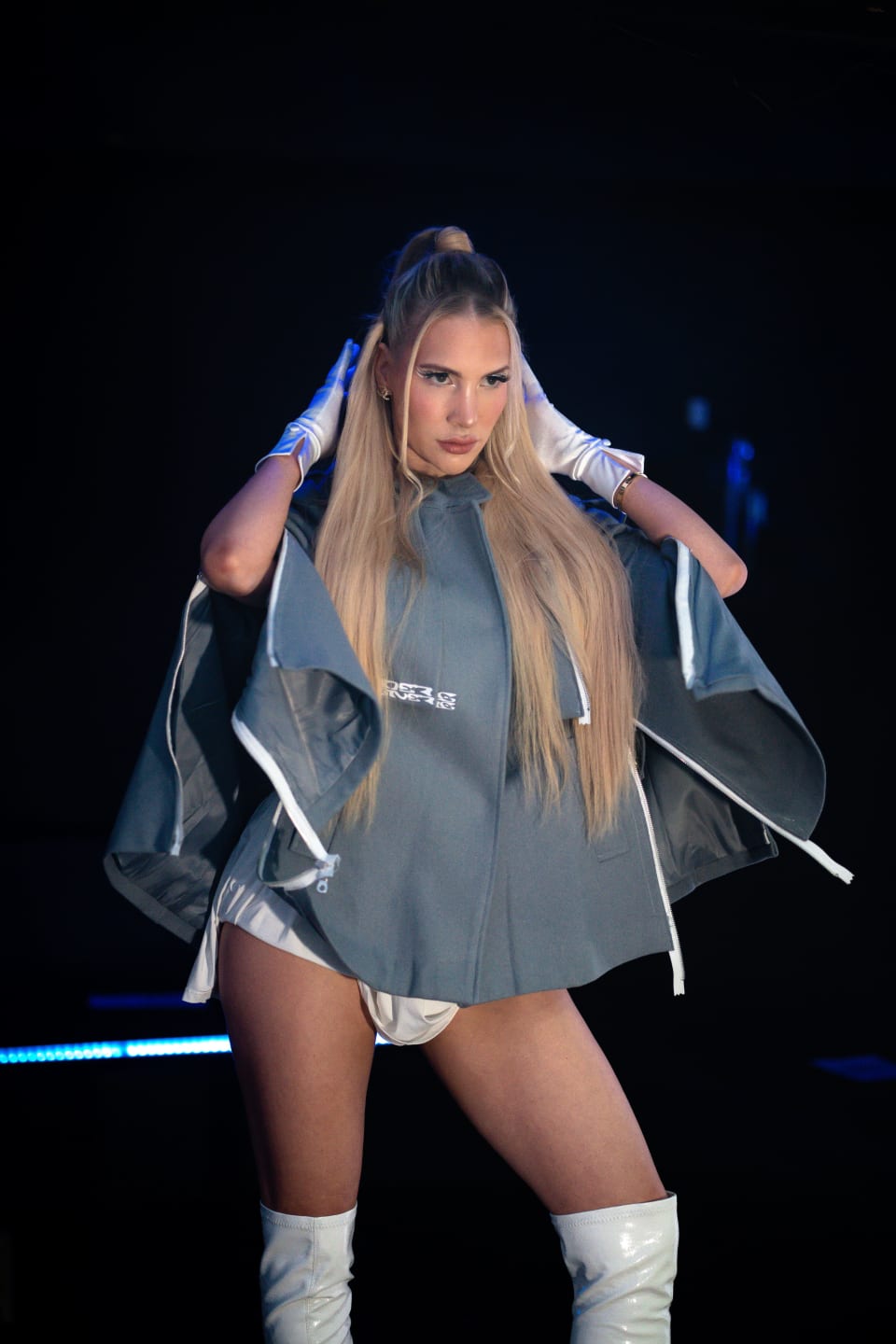
Cape
The cape is a sleeveless outer garment that falls freely from the shoulders, wrapping the body in a single sheet of cloth; the arms stay beneath the fabric or emerge through slits. It is one of humanity's oldest silhouettes — from antique cloaks to medieval mantles. The cape creates a dramatic, monumental outline, lending a look theatricality and mystery. In contemporary fashion it appears as a cape-coat, a pelerine or a wrap and is prized for impact and freedom of movement. Its challenge: the lack of sleeves limits function, so the cape is more about image and mood than purely practical warmth.
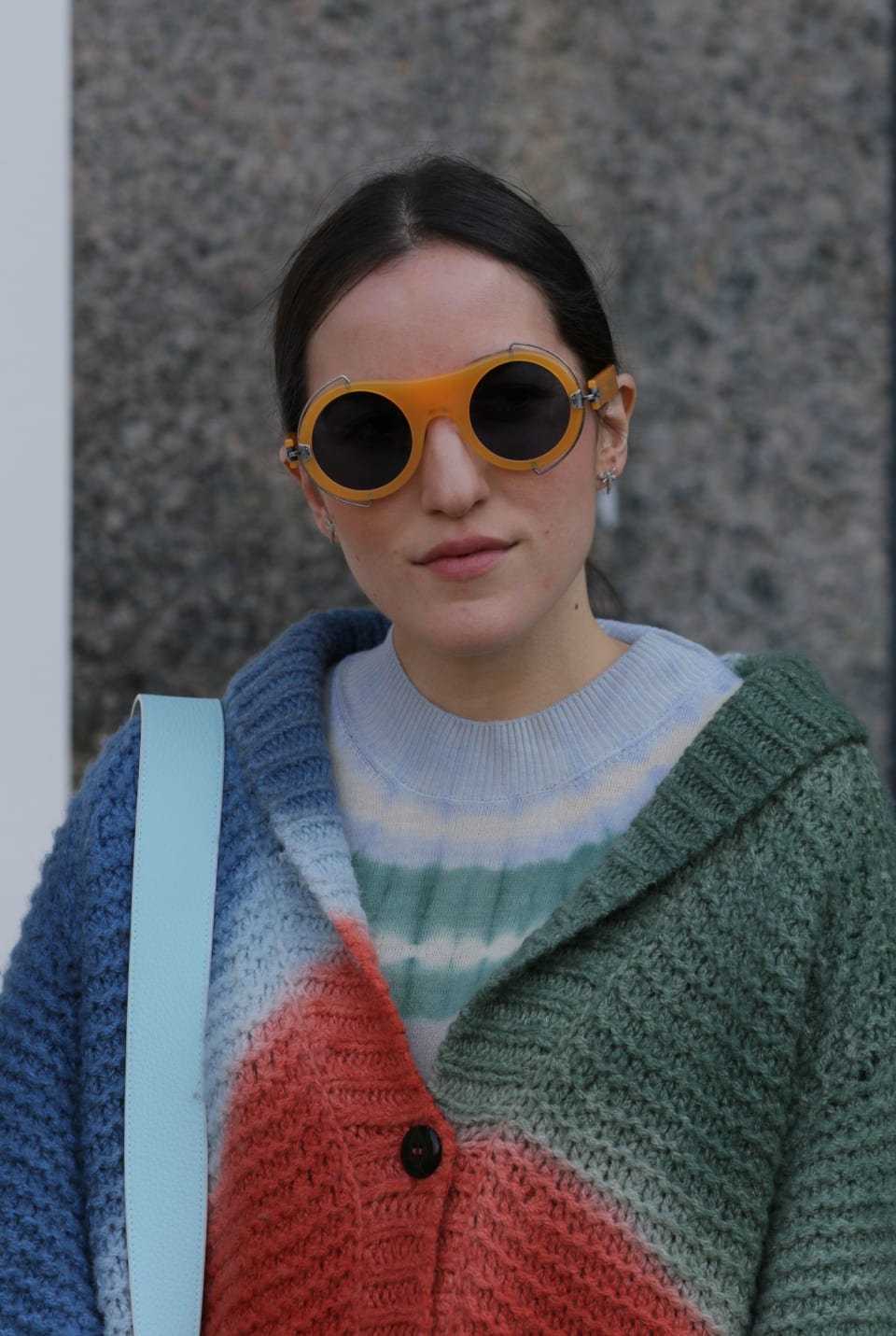
Cardigan
The cardigan is a knitted jacket that fastens at the front (with buttons, a zip or open) and is named after the British Earl of Cardigan. Unlike a pullover, which is pulled over the head, the cardigan opens, so it easily regulates warmth and layers. Its silhouette is soft and relaxed — from short, fitted styles to long, voluminous oversize ones. It combines the comfort of knitwear with the logic of a jacket, easily completing both business and at-home looks. The cardigan is versatile in season and mood: a fine one suits a summer air-conditioned room, while a bulky woollen one keeps you warm in autumn.
Other Fashion Dimensions