



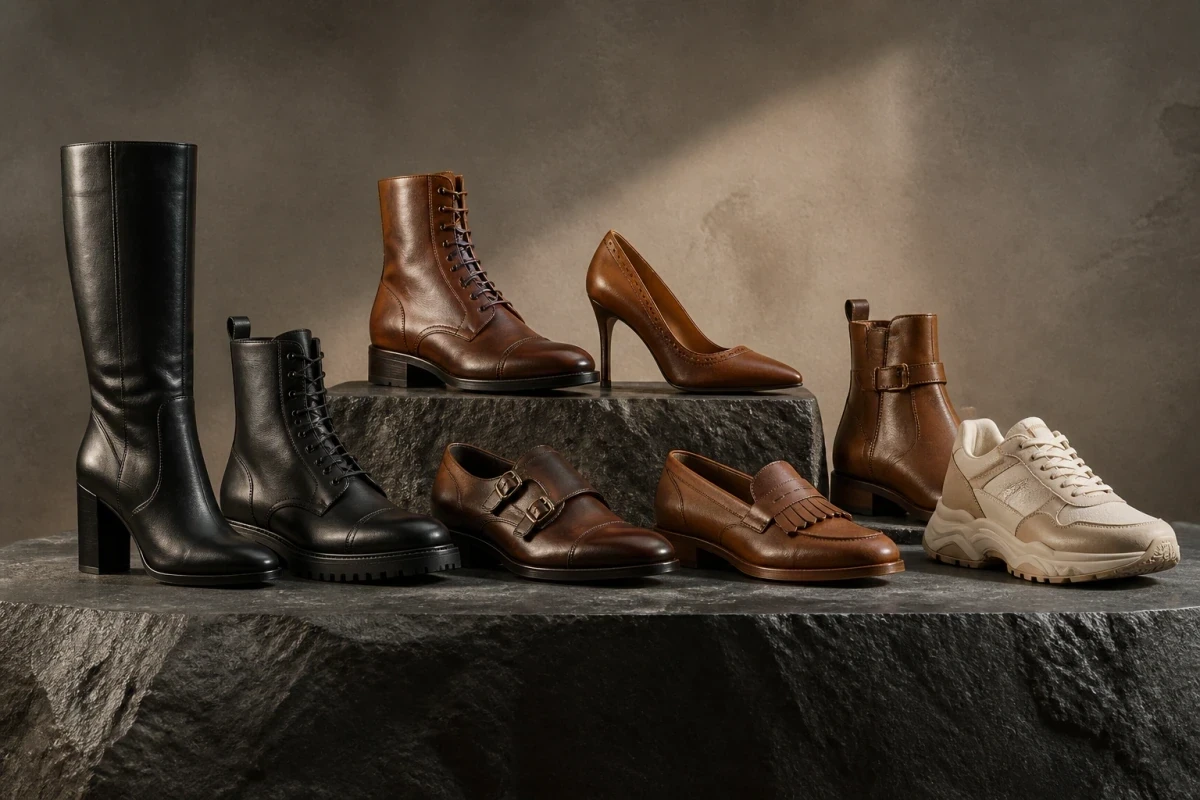
Style Starts at the Sole13 models
Footwear
From classic oxfords to modern handcrafted sneakers.
Ballet flats
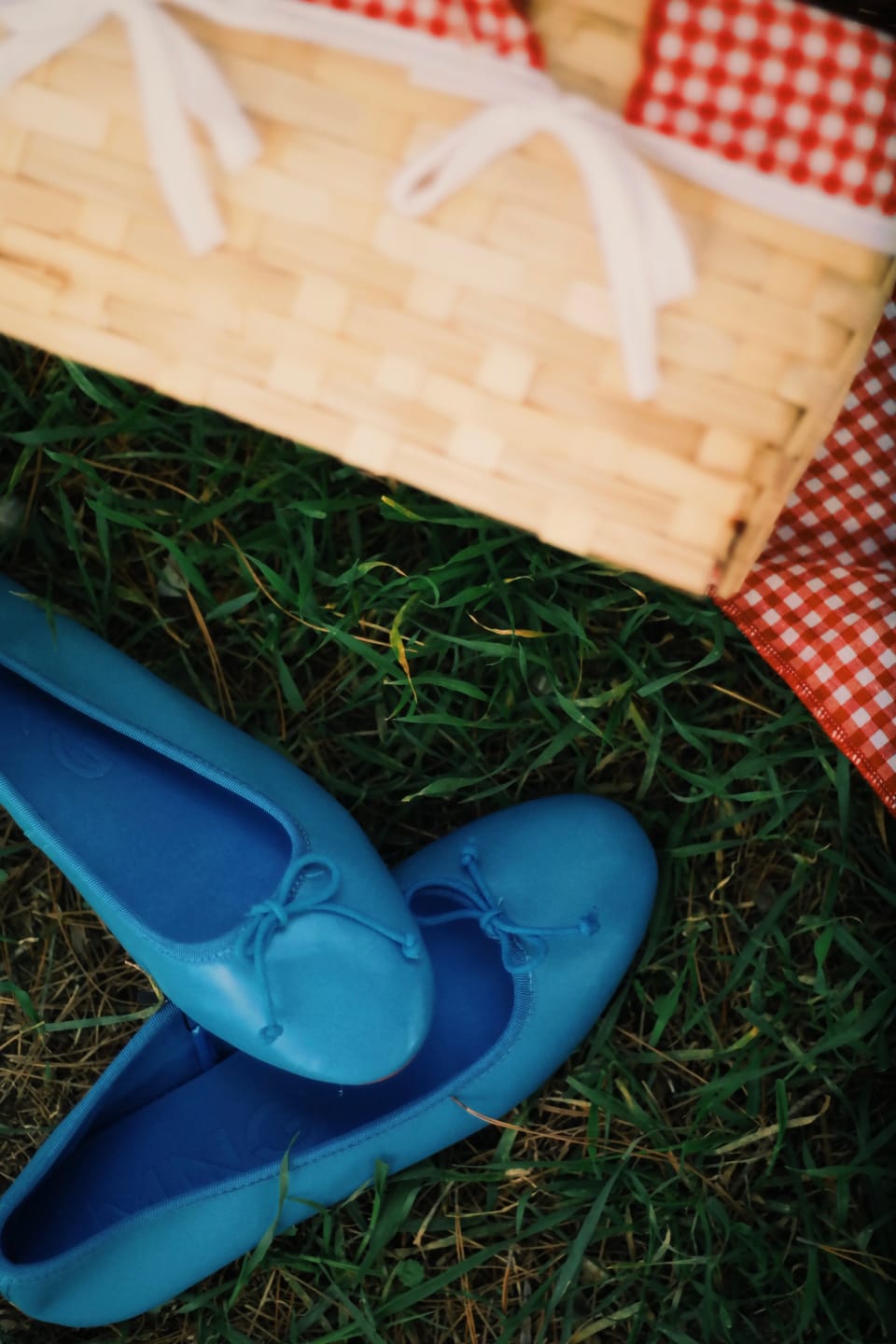
Ballet flats are light women's flat shoes with a thin flexible sole, a rounded toe and a low-cut top, inspired by ballerinas' soft ballet shoes (not pointe shoes). The modern rubber-soled ballet flat emerged in the mid-20th century (Claire McCardell with Salvatore Capezio; Rose Repetto, 1947) and was brought into fashion by Brigitte Bardot, and the style icon Audrey Hepburn made it a symbol of effortless, refined elegance. Ballet flats combine femininity with maximum comfort: you can walk in them all day without tiring, and they look graceful and neat. They go beautifully with dresses, jeans and trousers, giving a look lightness and French charm. Classically they are made of leather, suede or textile, often with a bow at the toe. Ballet flats are a timeless staple of the women's wardrobe and the ideal alternative to heels, when beauty need not cost comfort.
Boat shoes
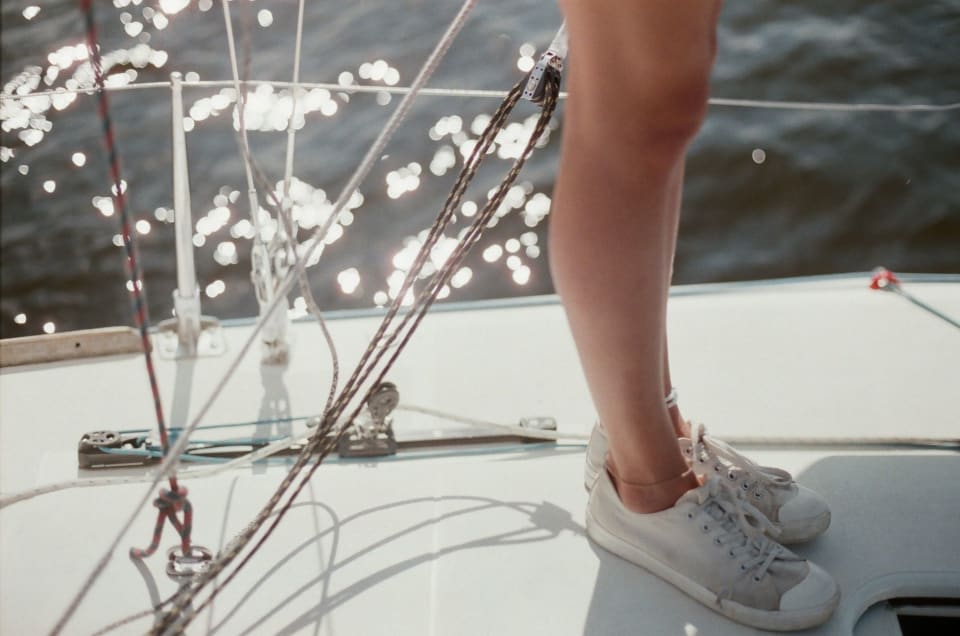
Boat shoes are light leather (or suede) shoes with a characteristic lacing that runs around through eyelets and ties at the side, and a white non-slip sole. They were invented by Paul Sperry in the 1930s specially for yachtsmen: the special siping on the sole did not slip on a wet deck, and the water-repellent-treated leather withstood damp. From yachting footwear boat shoes became a classic of preppy and nautical style, a symbol of relaxed, aristocratic summer leisure. They are traditionally worn barefoot with chinos or shorts. Boat shoes are leather deck shoes with a non-slip sole and characteristic side lacing, in which functional yachting roots combine with the preppy aesthetic of relaxed aristocratic summer that made them a classic of nautical and everyday style.
Brogues
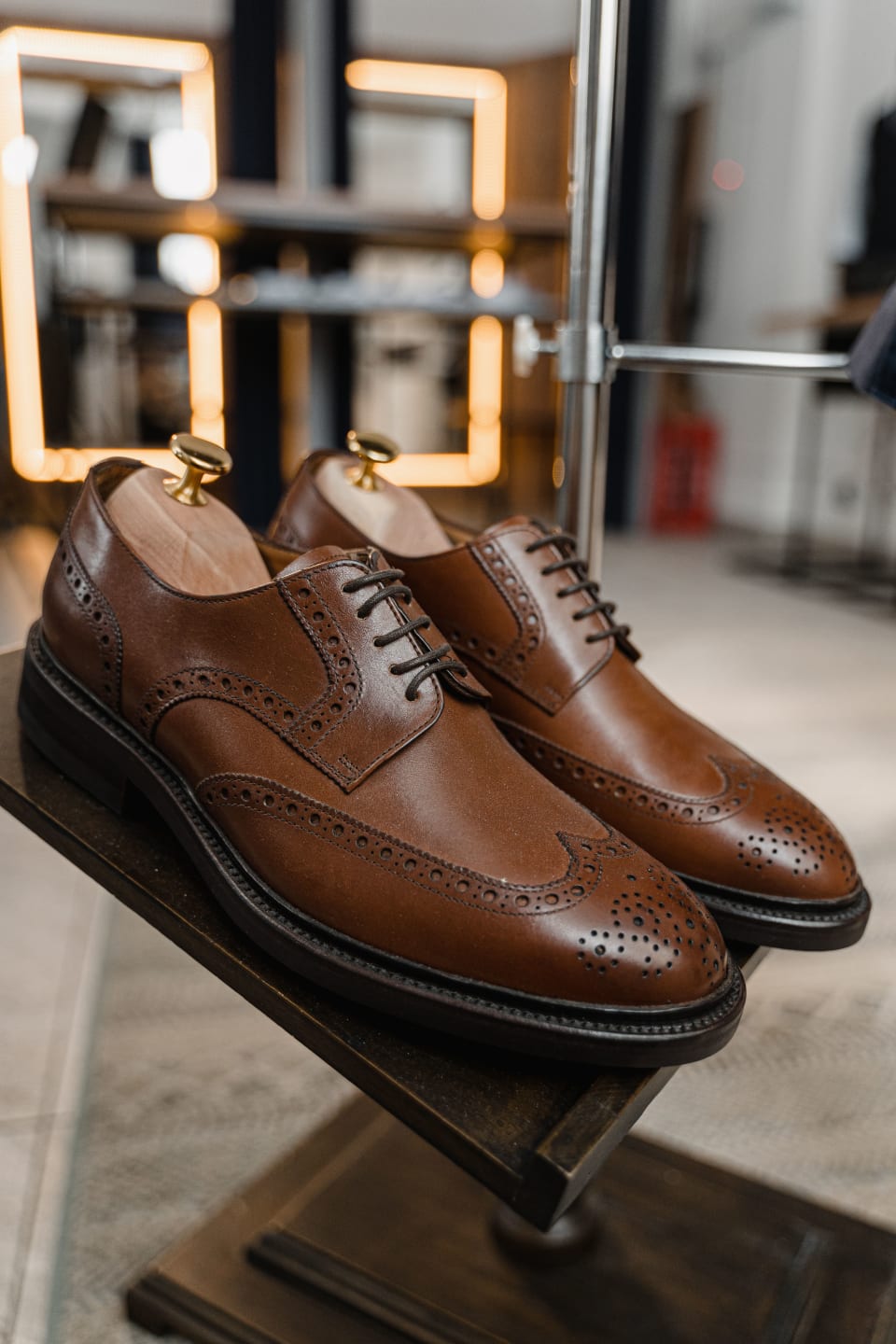
Brogues are not a separate style but a type of shoe decoration with ornamental perforation: a pattern of small holes (from Scottish Gaelic bròg / Irish bróg — 'shoe') along the seams and on the toe. The perforation is often said to derive from drainage holes in Irish and Scottish work shoes, though contemporary descriptions of the original brogues do not mention such holes. Later the decoration moved to the city and became a mark of style. Brogues are distinguished by the 'fullness' of the perforation: full brogue (with a shaped wingtip), semi-brogue, quarter-brogue. The decoration can be applied to both oxfords and derbies. Brogues are slightly less formal than smooth shoes but more expressive and characterful; they add texture and a British, 'tweedy' charm to a look. A classic choice for an elegant but not overly severe style.
Clogs
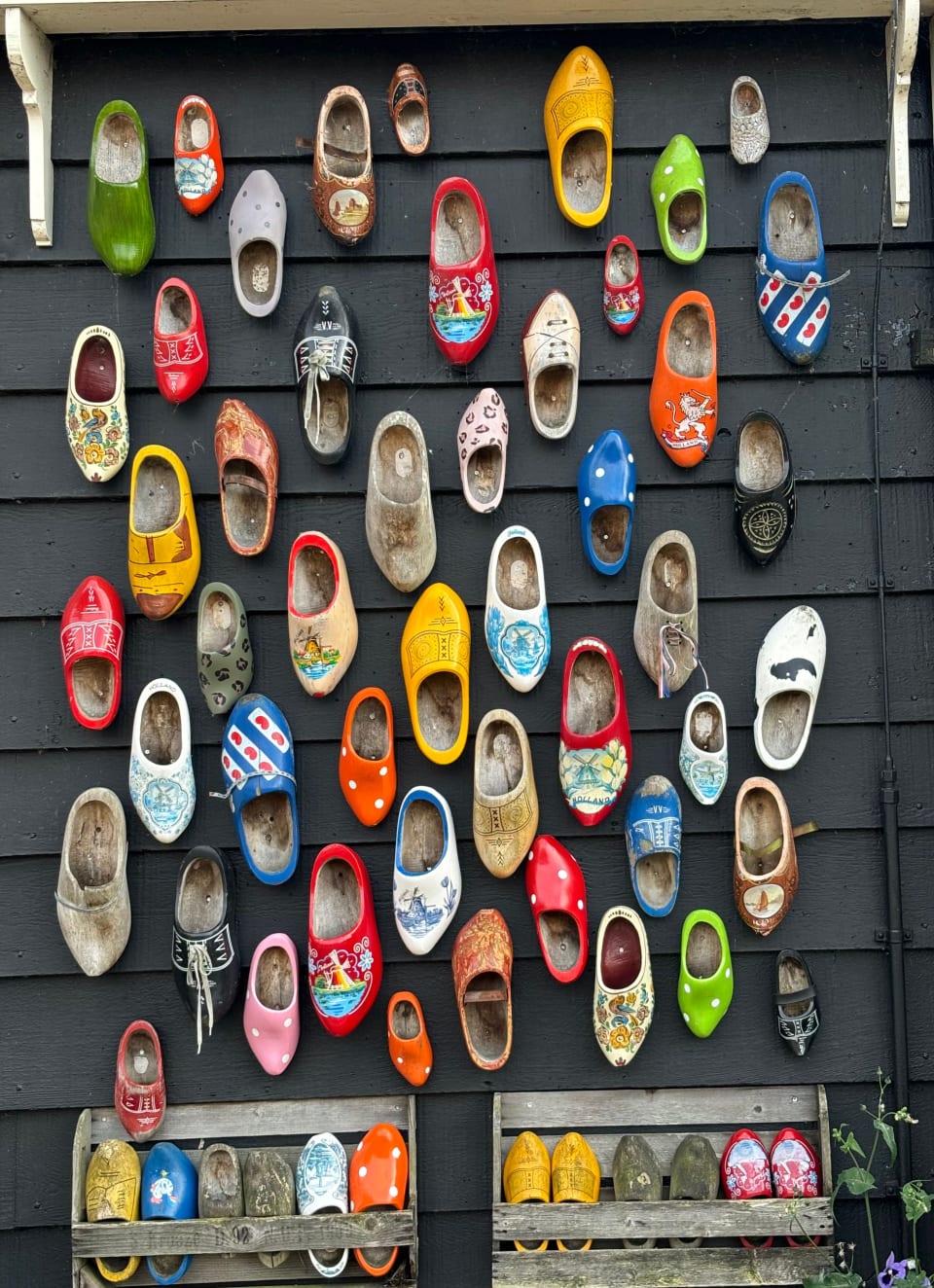
Clogs are footwear with a characteristic rigid, often wooden sole and a closed front part, often, though not always, backless (traditional Dutch klompen are fully enclosed). Classic clogs were carved entirely from wood; they come from the peasant and artisan life of Europe (Dutch klompen), where they protected the feet from damp and dirt. The wooden platform makes clogs stable, durable and lifts the foot off the ground. Modern clogs have kept the recognisable massive sole, but the top is now made of leather or textile, and they are readily worn both in the city and as comfortable work footwear (medics, cooks — where rubber crocs-clogs are popular). Clogs are a combination of artisan authenticity, practicality and a characteristic, slightly rough aesthetic. They return to the runways cyclically as a tribute to naturalness and folk charm.
Creepers
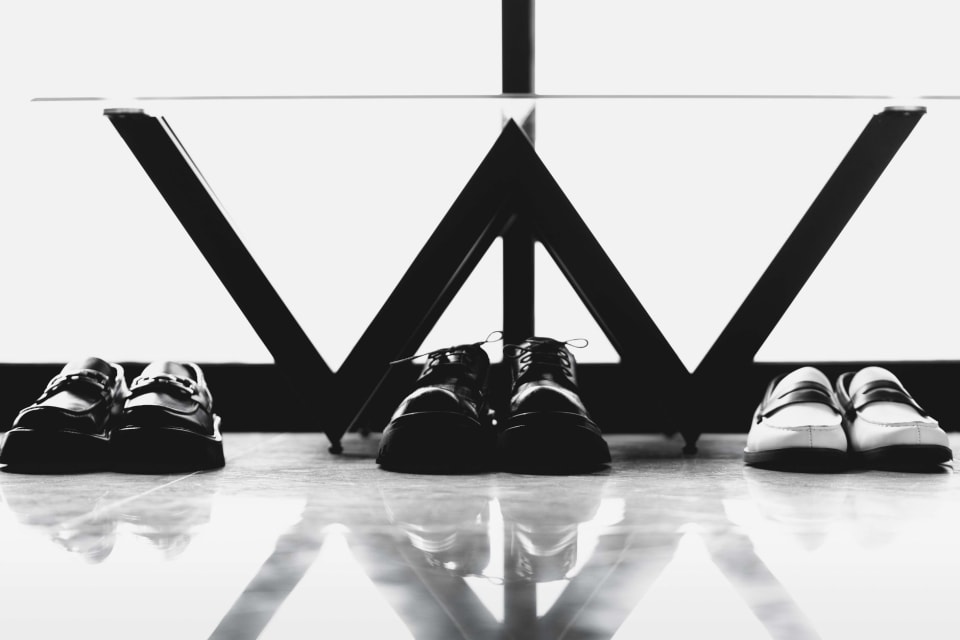
Creepers are footwear on a thick, voluminous crepe-rubber sole, usually with a suede upper. They appeared after the Second World War and became cult footwear of the Teddy Boys subculture, and later of rockabilly, punks and psychobilly. The thick crepe sole (the full name is 'brothel creepers', of uncertain origin — possibly from the crêpe sole or the 1953 dance tune 'The Creep') adds height and a characteristic, slightly sinister, rebellious look. Creepers combine the retro aesthetic of the 1950s with subcultural audacity. They were popularised by the designer Vivienne Westwood too. Today creepers are an expressive accent of alternative and vintage style. Creepers are footwear on a thick crepe sole with a suede upper, in which the retro aesthetic of the 1950s combines with the rebellious spirit of the Teddy Boys, rockabilly and punk subcultures, making them an expressive, characterful accent of alternative style.
Derby shoes
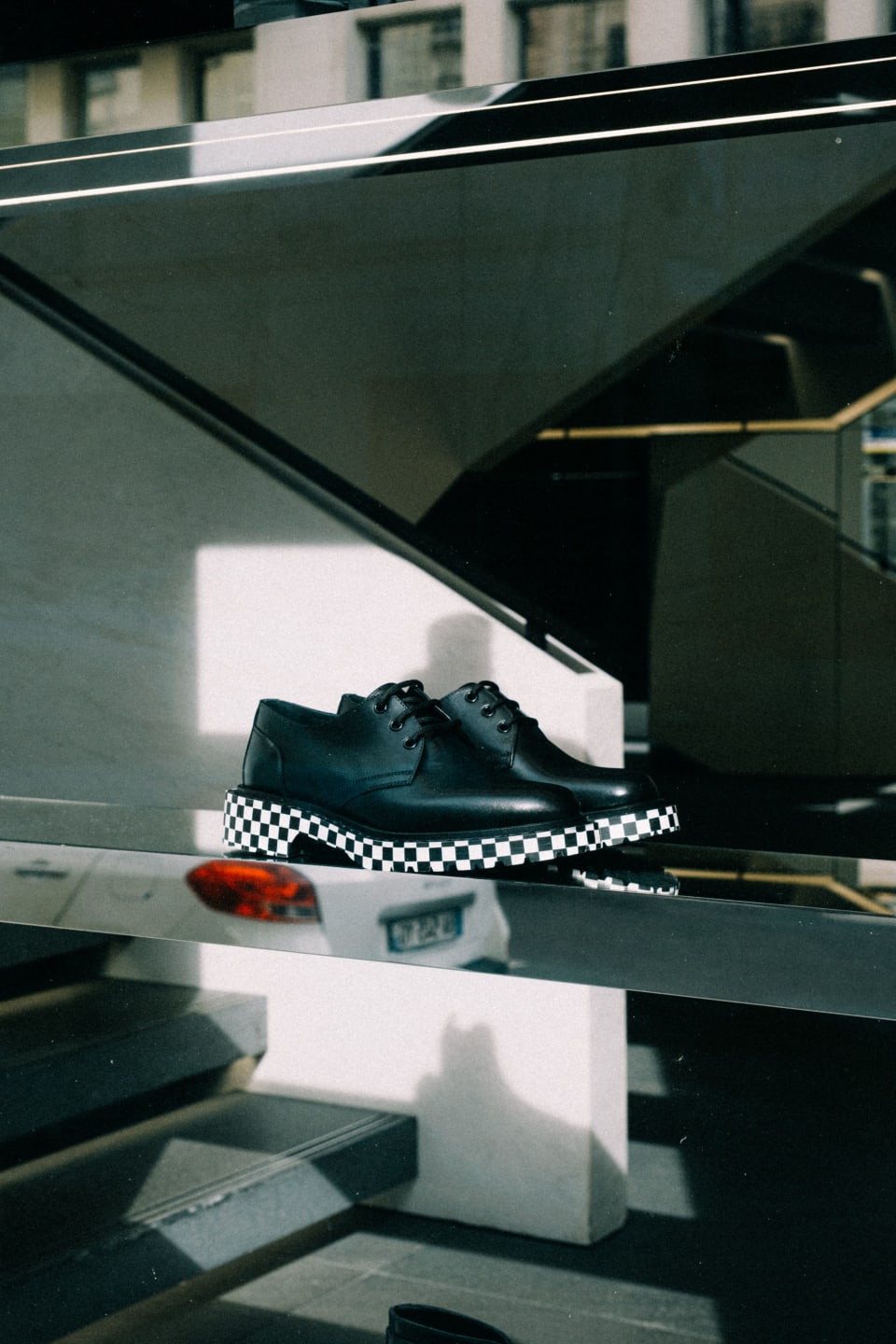
Derby shoes are classic lace-up shoes with an open lacing system: the eyelet facings are stitched OVER the vamp and splay outward. This 'open lacing' construction is the main difference from oxfords; it gives a wider instep, a more comfortable fit on a fuller foot and a slightly less formal, more relaxed character. Derbies are more versatile than oxfords: they look good both with a suit and with less formal dress — chinos, denim. By legend they are named after the Earl of Derby. They are the workhorse of the men's wardrobe — reliable, comfortable and appropriate across a wide range of situations, from the office to an informal meeting. The ideal first choice of classic shoes for those who value a balance of elegance and practicality.
Loafers
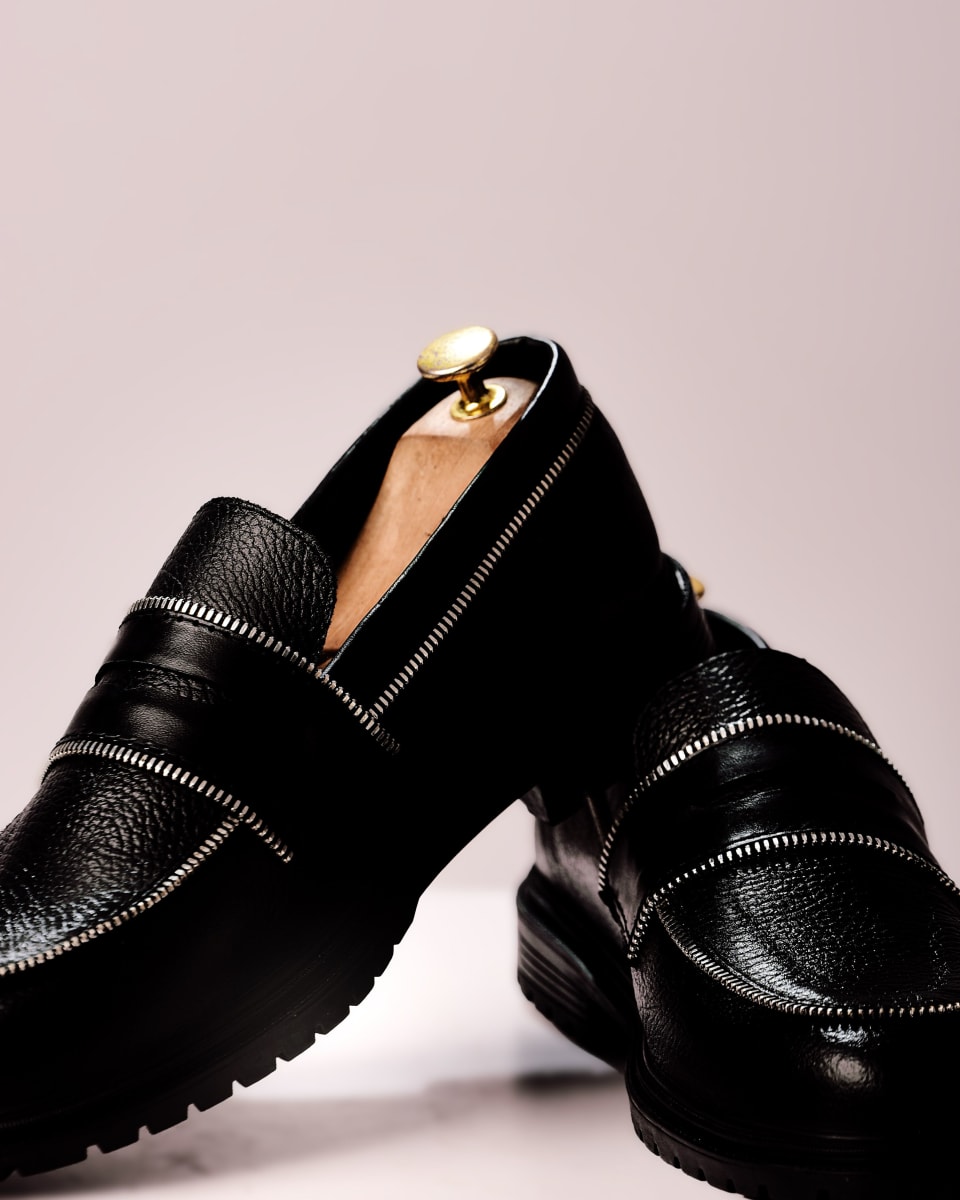
Loafers are classic slip-on shoes ('loaf' — to idle) with a low instep and a comfortable, easy entry for the foot. Born as informal footwear, they quickly gained a status reputation. There are several canonical varieties: the penny loafer with its characteristic saddle strap across the instep; the tassel loafer with decorative tassels; the horsebit loafer with a metal snaffle buckle (a Gucci classic). Loafers are the ideal compromise between the elegance of shoes and the comfort of moccasins: appropriate both with a suit (preppy, Italian style) and with denim or chinos. They are worn barefoot in summer or with thin socks. It is versatile, timeless footwear that adds an effortless, slightly aristocratic polish to a look.
Moccasins
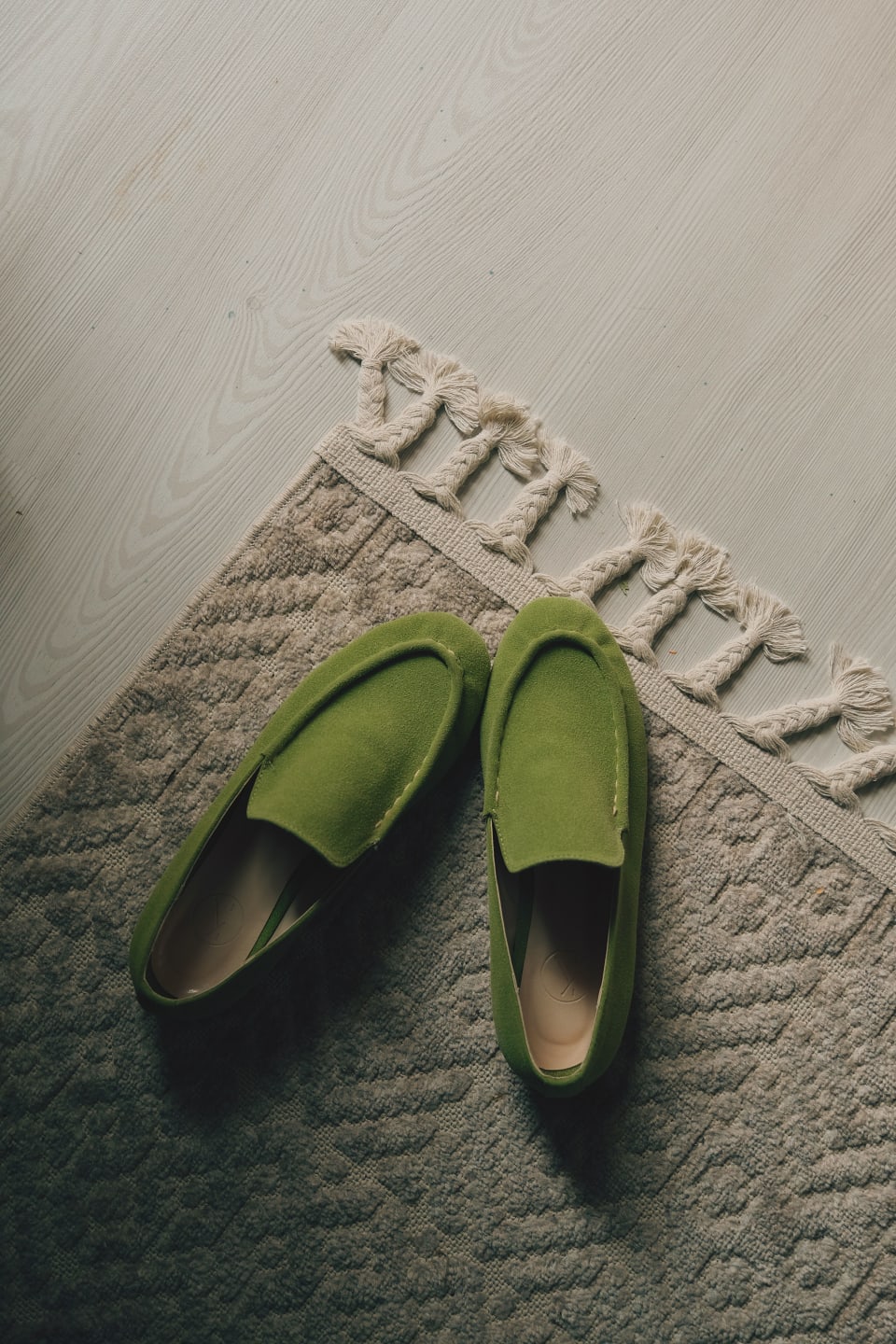
Moccasins are soft slip-on shoes with a characteristic one-piece bottom that wraps upward and is joined to the top insert by a visible hand-stitched seam around the toe. It is the traditional footwear of many indigenous peoples of North America, sewn from soft leather with the sole and sides cut from one piece; similar one-piece shoes are known from other cultures (e.g. the Areni-1 shoe, Armenia, c. 3500 BC). The chief traits of moccasins are a flexible sole, the absence of a rigid frame and an almost 'barefoot' comfort that follows the shape of the foot. They are light, breathable and ideal for the warm season and a relaxed, easy style. Unlike loafers, moccasins are softer and more informal, often flat-soled. They are the embodiment of comfort and simplicity — footwear for rest, walks and casual looks that values naturalness over severity.
Monk strap
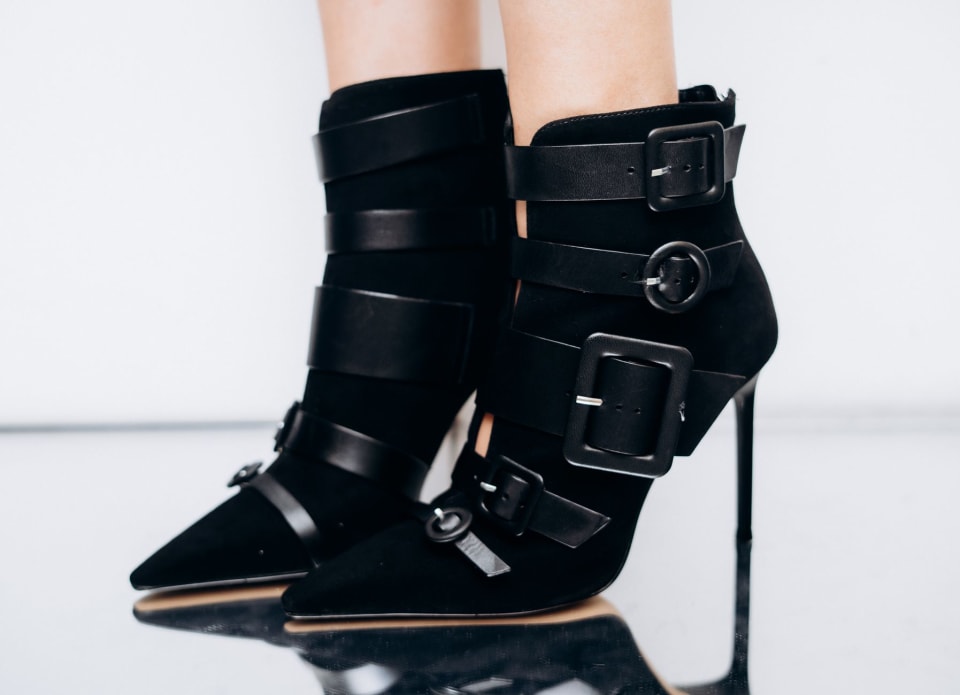
Monk straps are classic men's (and today women's) closed shoes in which, instead of laces, there is a fastening of one or two straps with buckles at the side. The name (from 'monk') is linked to a tradition that similar footwear was worn by monks. Monk straps occupy a middle place between strict oxfords and more relaxed derbies: they are elegant and appropriate with a suit, but thanks to the buckles have a little more character and individuality. A distinction is made between single monk and double monk depending on the number of straps. It is the choice of those who value the classic with a note of refined nonconformism. Monk straps are classic shoes with a fastening of buckled straps instead of laces, in which the elegance of oxfords combines with the characteristic, slightly nonconformist detail of the buckles, making them a refined choice with an individuality of their own.
Mules
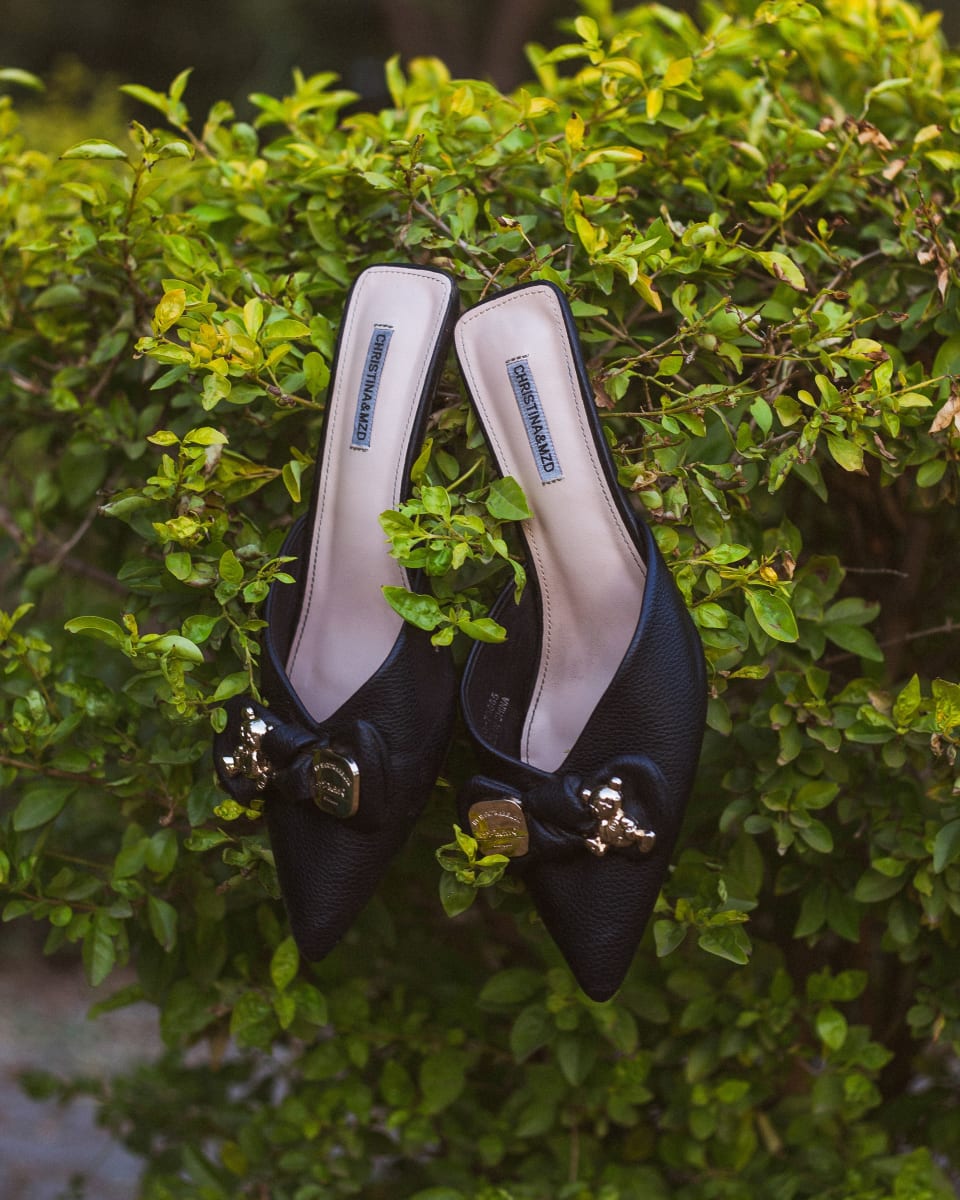
Mules are shoes with a closed toe but a completely open heel and back: the foot is held only by the front part, and the heel is free. It is an old style (its name probably goes back to the Latin calceus mulleus, the red shoe of the Roman elite, and from the 16th to the 19th centuries mules were mainly indoor boudoir slippers) that returns to fashion regularly. The chief appeal of mules is the ease of entry and a special, slightly careless elegance: they seem to 'slide' onto the foot. Mules come with any heel — from flat to stiletto or wedge — and in the most varied materials. The open heel makes them ideal for the warm season and adds effortless refinement to a look. It is stylish, slightly capricious footwear that combines the comfort of quick slip-on with a refined silhouette. Mules are the choice of those who value elegance with a note of ease.
Other Fashion Dimensions
Continue Exploring
Related sections




