


The Telling Detail15 details
Details
Stitching, hardware, buttons — the language quality speaks.
Dart
A dart is a construction element of the cut in the form of a tuck of fabric tapered to a wedge and stitched, which allows a flat cloth to be given a voluminous, three-dimensional shape according to the curves of the body. It is precisely darts that turn a straight piece of fabric into something that hugs the figure: they are placed at the bust, waist, hips, shoulders, back. Without darts clothing would be flat and baggy. It is a fundamental device of construction, on the precision of which the fit of a piece depends. A dart may be straight, curved, hidden in a seam or decoratively emphasised. Its correct placement is the foundation of a tailor's skill. A dart is a basic construction detail of shaping volume, in which a stitched tuck of fabric turns a flat cloth into something that hugs the figure, lying at the foundation of a quality fit and sound cutting.
Draping
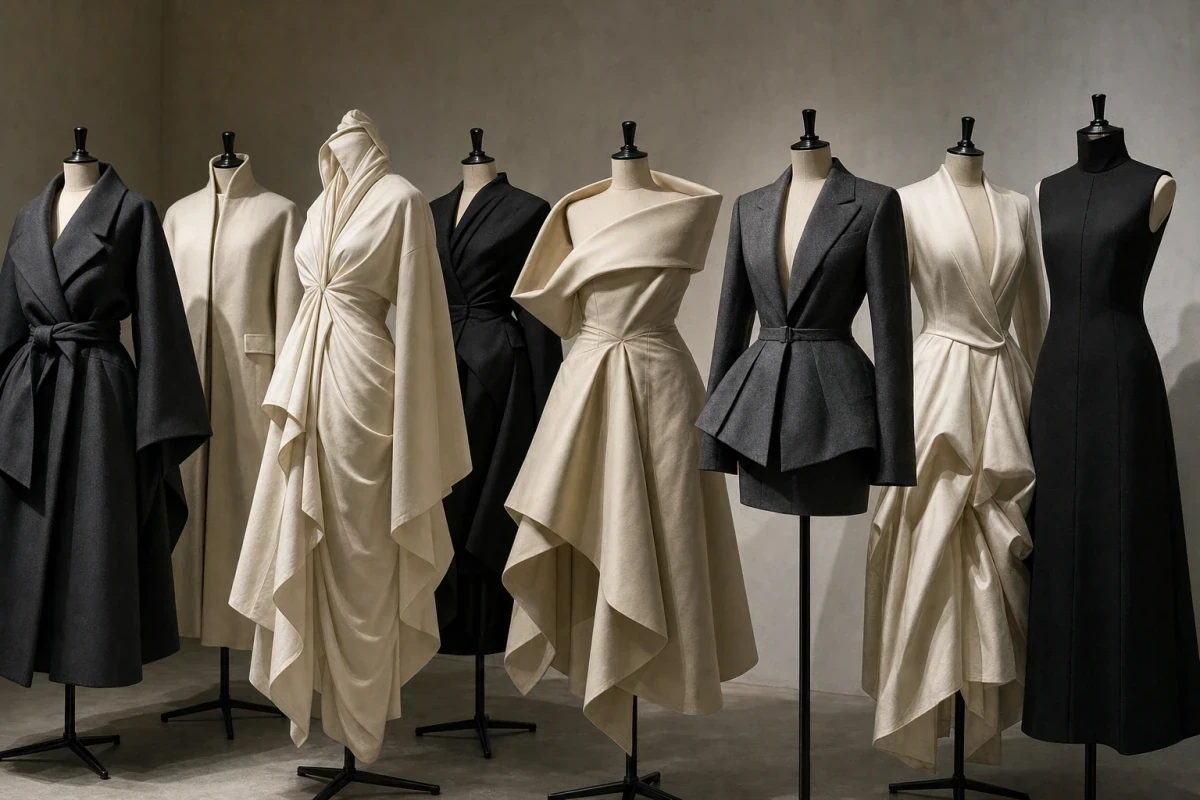
Draping is a technique and decorative device in which fabric is laid in free, soft, flowing folds that fall naturally under their own weight. Unlike rigid tucks or pleats, draping is alive and pliable: it follows the movement of the body and the play of light on the folds. The art of draping reaches back to antiquity — Greek chitons and Roman togas were essentially masterfully draped cloths without cutting. In contemporary fashion draping creates a soft, sculptural, sensual silhouette, ideal for evening dresses of silk or jersey. It requires a fabric that falls well and a skilful sense of proportion, since the folds must be 'set' so that they flatter the figure.
Facing
A facing is a piece of fabric used to finish and reinforce the edge of a garment from the inside — the neckline, armhole, front edge, opening — so that the raw edge is neat, the edge holds its shape and the fastening has support. A facing is cut to the shape of the edge it finishes, and is usually not visible from the face side. This 'internal' detail significantly affects the quality of a piece: a properly finished edge lies flat, does not stretch and does not turn out. A facing is often interlined for firmness. Its neatness is one of the marks of professional sewing, noticeable only on a close look inside. A facing is an internal construction detail of edge finishing, in which a hidden piece reinforces and neatly finishes the raw edges of a garment, ensuring a clean look, stability of shape and support for a fastening.
Gusset
A gusset is a small insert of fabric (most often diamond- or triangle-shaped) sewn into the joining point of pieces, usually under the arm, at the crotch or on the sides, to add freedom of movement and strength to a garment. Historically the gusset is an ancient construction device, characteristic of the folk cut of shirts (including Ukrainian vyshyvankas), where rectangular pieces were joined with diamond inserts under the arms. A gusset relieves tension at the points of greatest load, prevents the seam from tearing and allows the arms to be raised freely. It is the 'invisible hero' of the cut: imperceptible but important for comfort and durability. A gusset is a construction insert detail, in which a small piece of fabric at a joining point adds freedom of movement, strength and comfort to a garment, embodying the clever engineering of traditional and modern cutting.
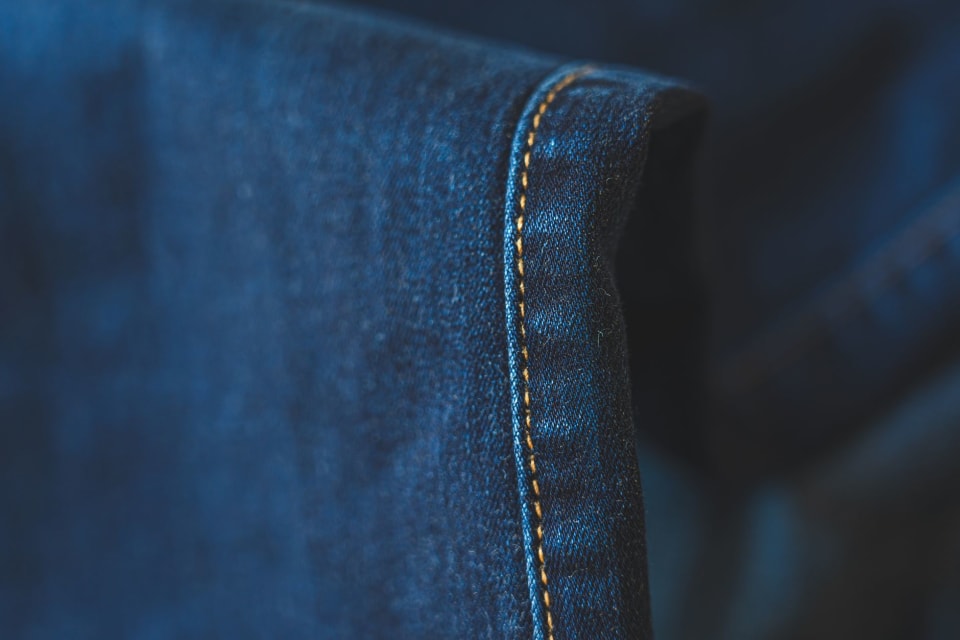
Hem
A hem is the finished bottom edge of a garment (skirt, dress, trousers, sleeve) that determines its length and completes the silhouette. The edge is turned up and secured so that the fabric does not fray and the bottom lies evenly and holds its shape. The way a hem is finished depends on the fabric and the intent: the hem may be blind (invisible from the face), topstitched, finished with bias binding, a rolled hem or lace. The length of the hem is one of the key style decisions that determines the character of a piece (mini, midi, maxi). The evenness and neatness of the hem is an important mark of quality. A hem is a detail of finishing the bottom edge, in which the treatment of the bottom of a piece determines its length, ensures a clean, even edge and completes the silhouette, being at once a technical and a key style decision.
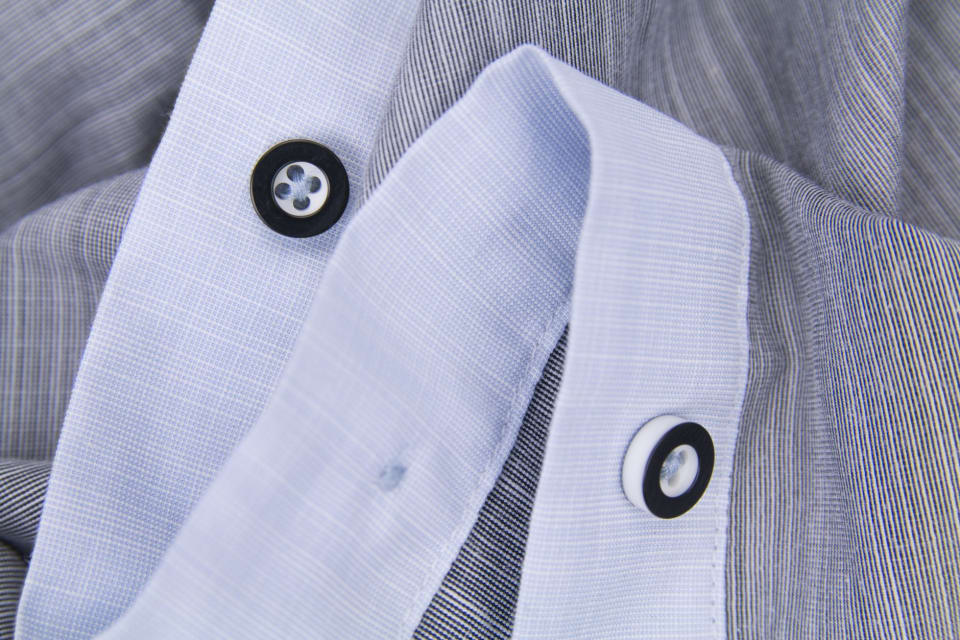
Interfacing
Interfacing is an auxiliary material joined (most often fused with a hot iron) to the wrong side of fabric to give certain areas of a garment firmness, volume and stability of shape. Interfacing is the 'invisible frame' of clothing: it is thanks to it that collars, cuffs, jacket fronts, plackets, belts and waistbands hold their shape. Without interfacing these details would be soft and shapeless. Interfacing comes in fusible and non-fusible kinds, of various weights — from the finest for light fabrics to stiff for headwear. A properly interfaced detail looks crisp and holds its shape for a long time. Interfacing is a hidden construction foundation, in which an auxiliary material gives the details of a garment firmness and stability of shape, being the invisible frame on which the crispness of a collar, front and the whole silhouette depends.
Lining
The lining is an inner layer of fabric hidden inside a garment that makes it more comfortable, durable and neat within. The lining performs several important tasks: it lets clothing glide on nicely when putting it on, hides the internal seams and construction, holds the shape of the garment, adds warmth and keeps the fabric from being see-through or 'clinging' to the body. It is made of smooth, pleasant fabrics — silk, viscose, cupro, acetate. The presence and quality of a lining is one of the chief, if invisible, marks of sound tailoring: cheap pieces are often made without it. Though the lining is not seen, it largely determines how comfortably and expensively a coat, jacket or dress 'sits'.
Placket
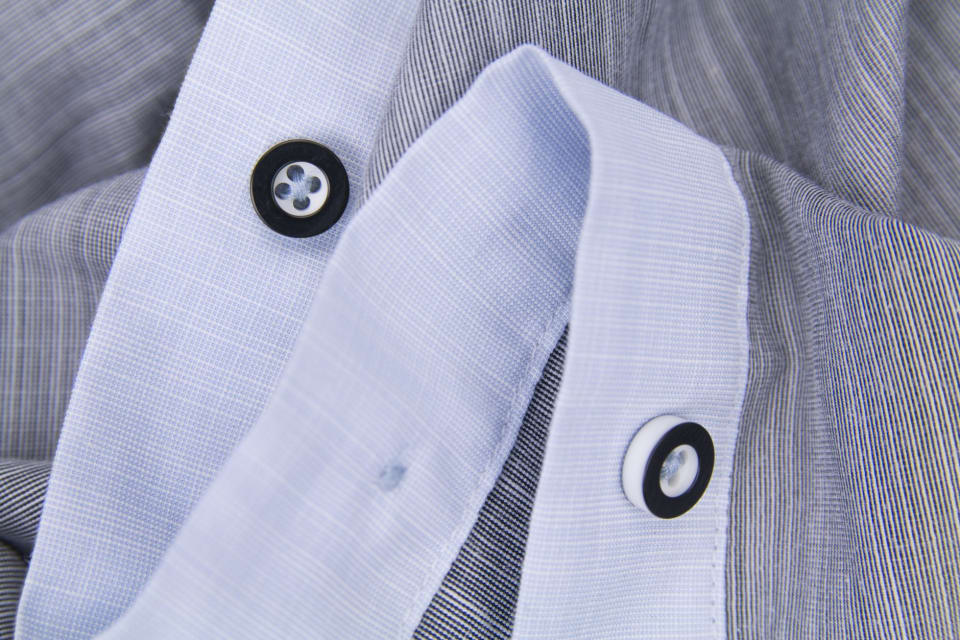
A placket is a strip of fabric that frames and reinforces an opening on a garment, most often a fastening (with buttons, snaps or a zipper) on shirts, polos, cuffs or the neckline. A placket plays a double role: practical — it reinforces the edge of the opening, hides the fastening and holds the shape — and decorative, since it often becomes a visible accent of a piece. A classic example is the central button placket on a shirt or the short placket on a polo. A placket may be topstitched or finished on the inside, contrasting or matching. Its neatness is one of the marks of sewing quality. A placket is a construction detail of a fastening, in which a strip of fabric around an opening combines reinforcement of the edge, concealment of the fastening and decorative crispness, giving a piece a neat, finished look.
Pleat
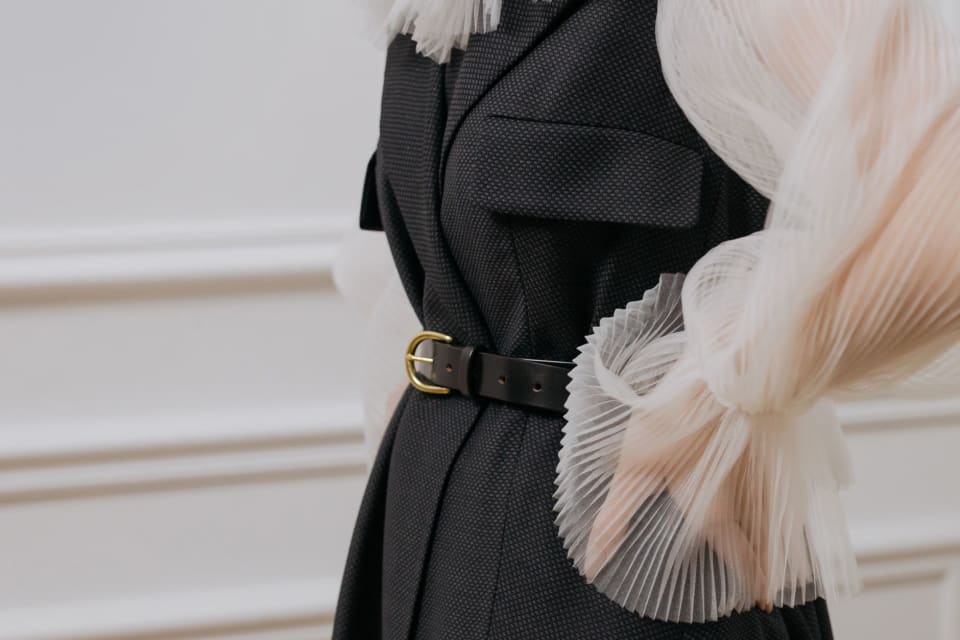
A pleat is a construction detail in the form of a fold of fabric laid in and secured, which adds volume, movement and decorative rhythm to a piece. Pleats come in various types: knife (all facing one way), box (spreading apart), inverted (meeting), accordion (fine). They may be tacked at the top and free at the bottom or laid in along the whole length. Pleats allow the volume of fabric to be hidden, give freedom of movement and at the same time create a clean, graphic rhythm — recall the classic pleated skirt or the kilt. Historically pleats are one of the oldest ways of working with fabric. A pleat is a versatile construction detail, in which a laid-in fold of fabric combines function (volume, freedom of movement) with décor (rhythm, movement, graphic quality), lying at the foundation of countless silhouettes from strict pleats to full skirts.

Protection
Protective details are construction elements of clothing whose chief task is not decoration but safeguarding the garment and the body: reinforcements, patches and inserts at points of greatest wear or risk. These are, for example, elbow and knee patches on workwear and sportswear, reinforced inserts on the shoulders and seat, yokes and extra layers of fabric at friction points, wind and water flaps. Historically protective elements came from work, military and sports dress, where durability matters more than aesthetics, and later became a style device too (utilitarian, 'functional' fashion). Such details prolong a garment's life and make it fit for real use. It is the case where clothing engineering matters more than ornament.
Other Fashion Dimensions