

The Telling Detail13 details
Details
Stitching, hardware, buttons — the language quality speaks.
Beading
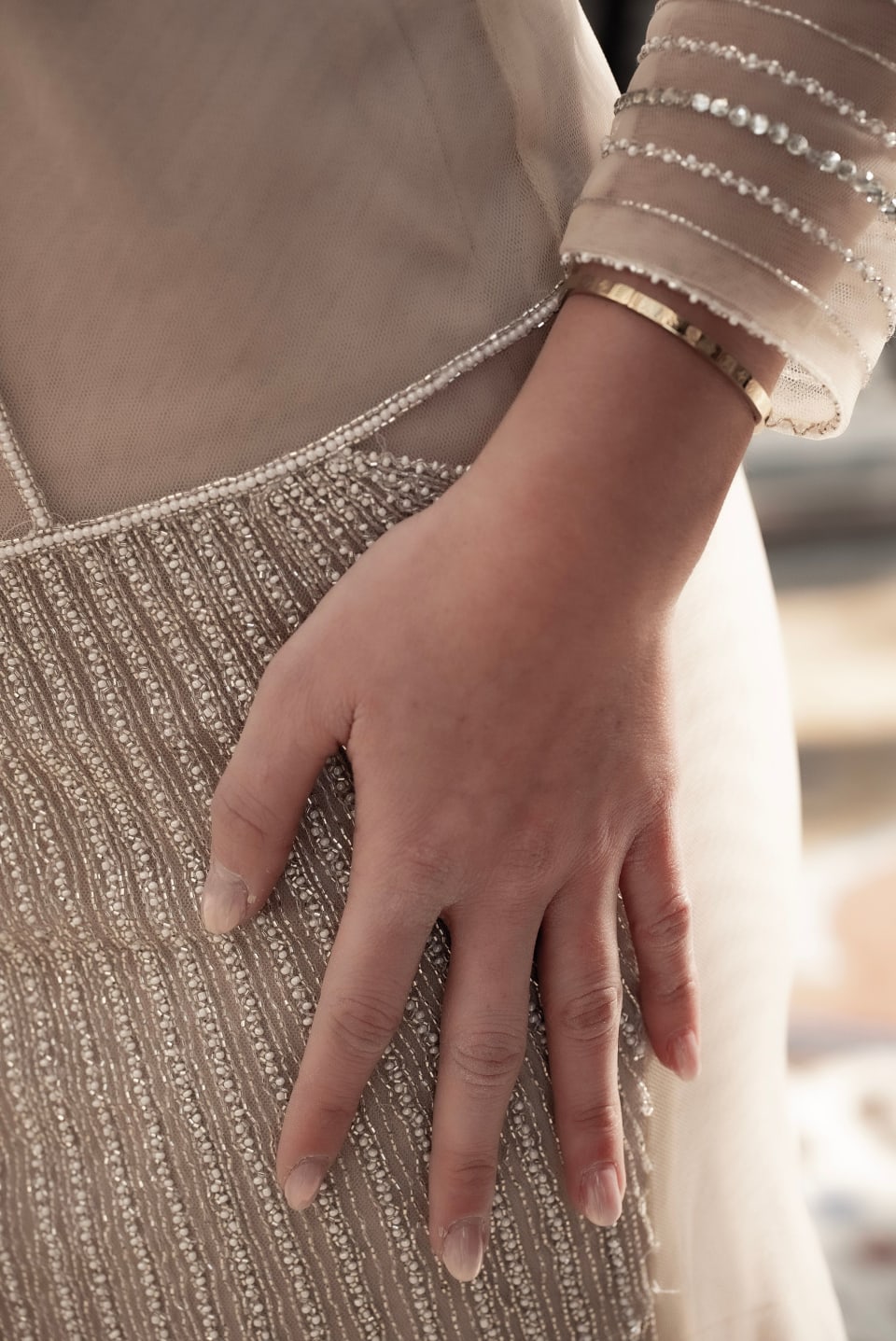
Beading is a decorative technique in which small beads are sewn to fabric one by one, building up patterns, solid shimmering surfaces or three-dimensional motifs. It is one of the most labour-intensive kinds of decoration: the maker places hundreds and thousands of beads by needle, which is why beadwork was always a sign of luxury and hand labour. In Ukrainian tradition beads were widely used in folk dress (bead embroidery on shirts, bead-trimmed sheepskin coats, and bead-woven neck ornaments such as gerdany and sylianky) and in the decoration of icons. Today beading is prized in couture, bridal and evening dresses, where it creates a play of light and texture. It is a detail that embodies patience, mastery and the precious, 'handmade' value of a piece.
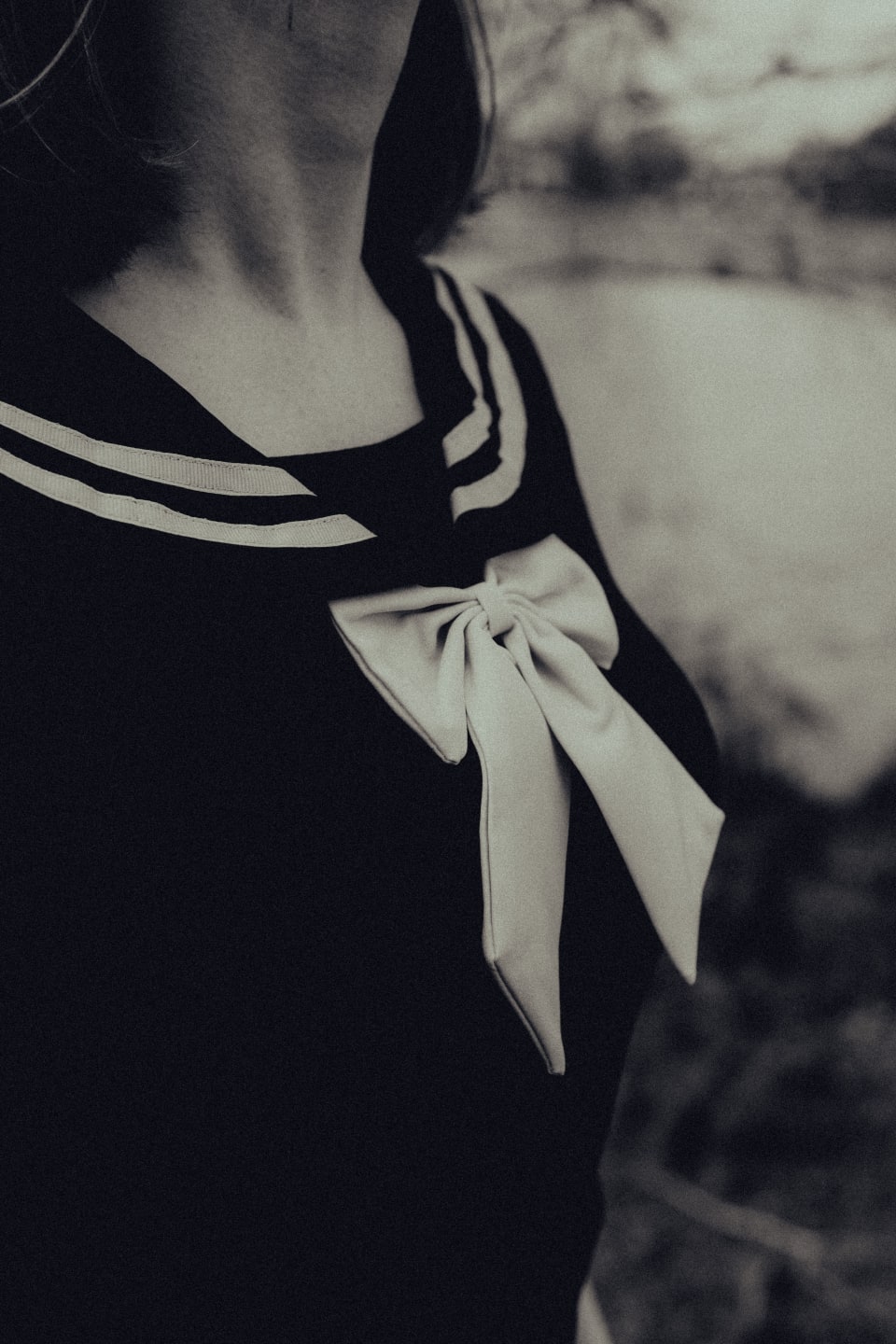
Bow
The bow is a decorative knot of ribbon or fabric with two loops and free ends, one of the most romantic and feminine details in fashion. A bow can be a tiny accent at the collar or a huge dramatic element on the back of an evening dress. Historically ribbon bows richly adorned the dress of the Rococo era as a symbol of playfulness and refinement. The bow carries a sense of festivity, tenderness, sometimes childlike spontaneity or, conversely, a flirtatious play. It is tied on blouses, dresses, footwear, belts and as a hair ornament. Despite its simplicity, a well-tied bow is a detail that instantly adds softness and decorative completeness to a look.
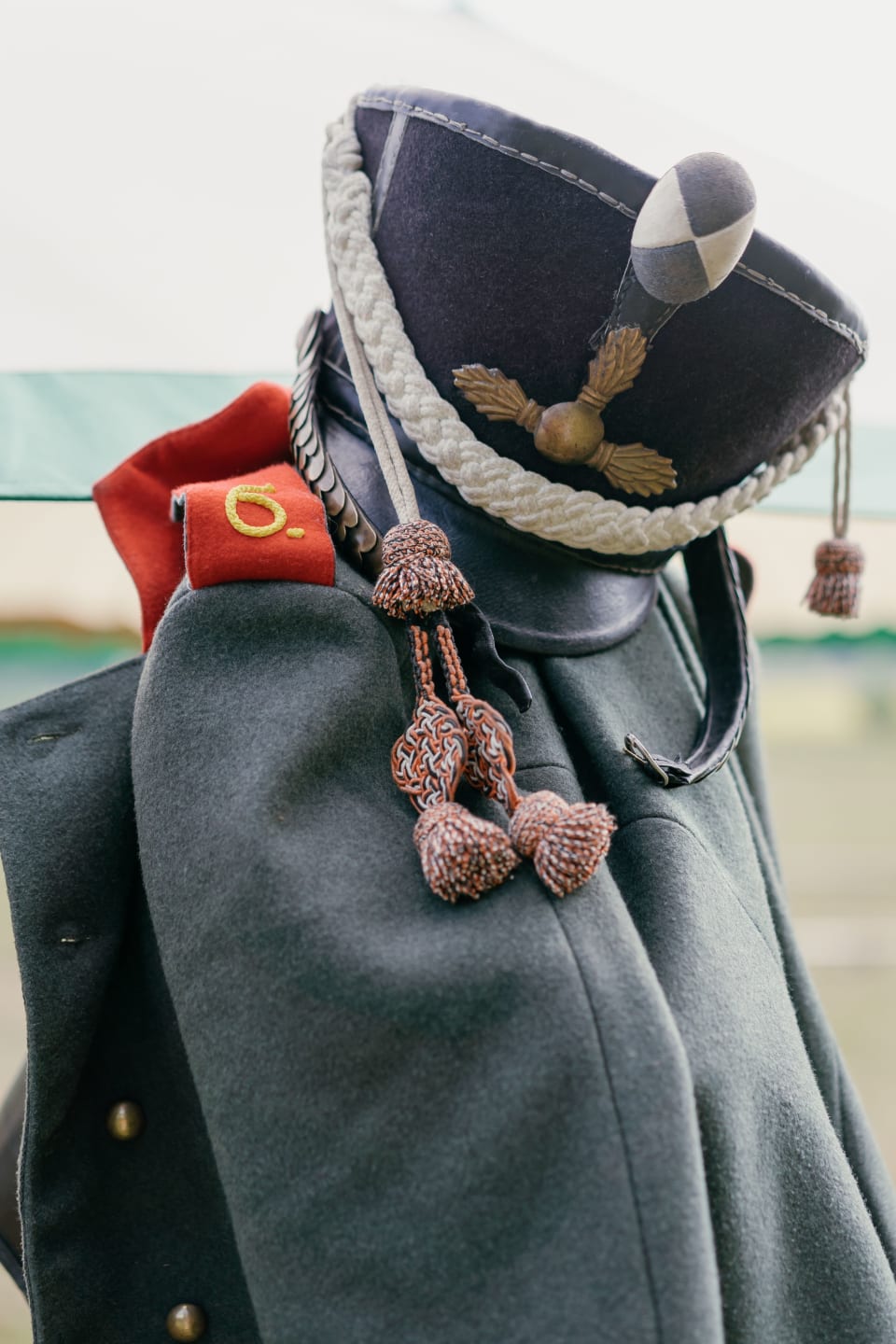
Braid/Trim
Braid/trim is a narrow plaited or woven ribbon used to finish the edges, seams and surfaces of clothing, accessories and décor. Braid is at once decorative and functional: it neatly finishes and strengthens an edge, hides a seam and gives a piece a graphic, 'finished' completeness. There are countless kinds — flat, three-dimensional, with lurex, decorative soutache, galloon. Historically braid and galloons were a sign of uniform and ceremonial dress (the trimming of tunics, liveries), as well as folk clothing, where plaited ribbons richly adorned coats and bodices. Contrasting braid is an expressive device that emphasises the lines of the cut. It is a detail that gives a piece a tidy, smart and slightly 'ceremonial' appearance.
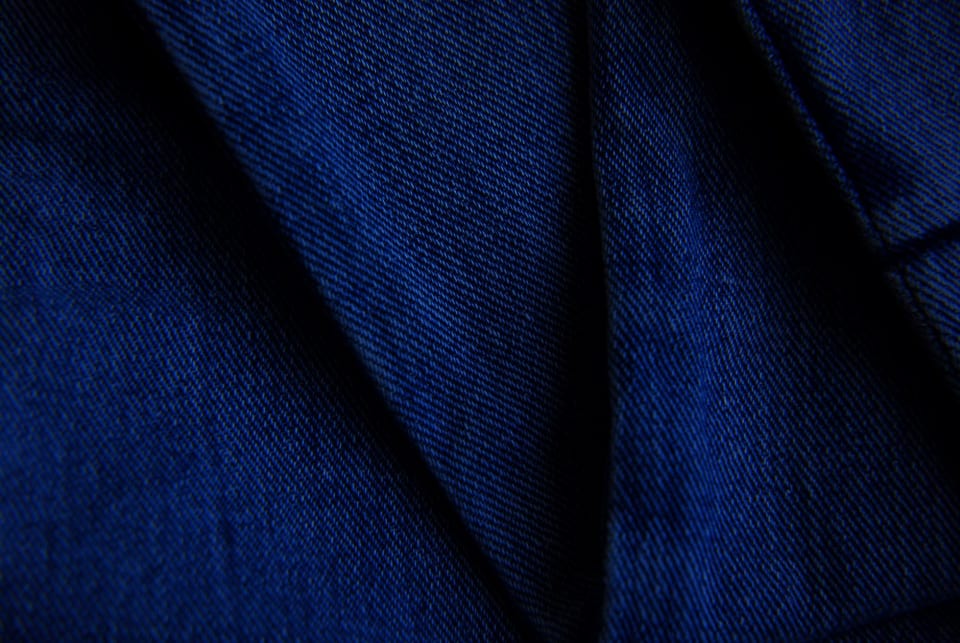
Flounce
A flounce is a strip of fabric cut in a circle or spiral and sewn on by one edge, so that the free edge itself forms soft, wavy folds without gathers. Unlike a frill or ruffle, which are gathered, a flounce gains volume precisely through the circular cut, so it falls in smooth, natural waves. Flounces add movement, femininity and romantic lightness to a piece; they are placed at the bottom of skirts and dresses, on sleeves, necklines, cut lines. A single large flounce or a cascade of them creates a striking, 'flowing' silhouette. A flounce looks especially beautiful in flowing fabrics. This detail is closely tied to romantic, Spanish (flamenco) and feminine styles. A flounce is a decorative ruffle detail of circular cut, in which the free edge itself forms soft wavy folds, adding smooth movement, volume and romantic, 'flowing' femininity to a piece without the need for gathers.
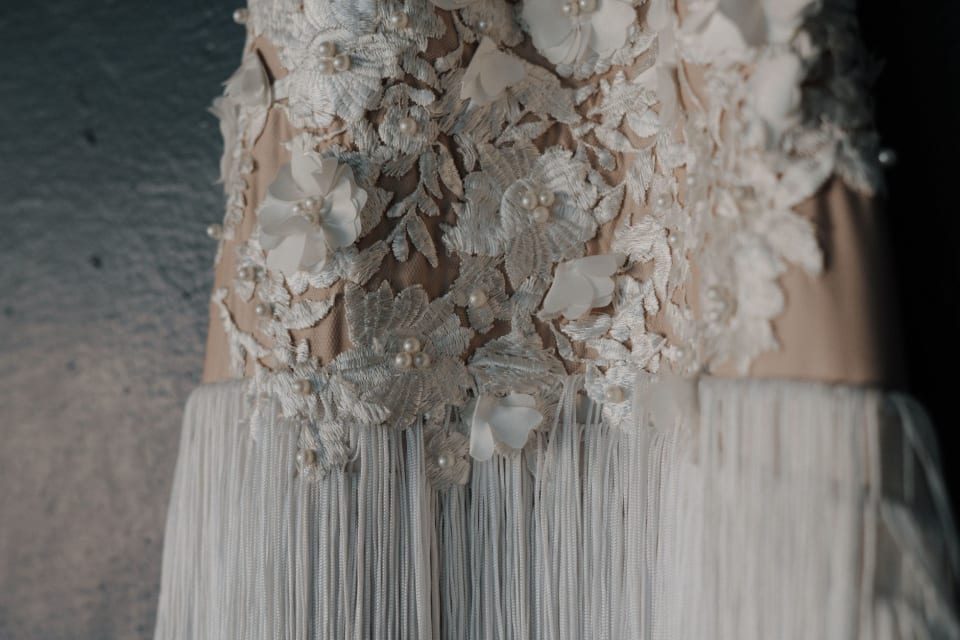
Fringe
Fringe is a decorative border of hanging threads, cords or strips of fabric fixed along the edge of a piece with free ends pointing down. Fringe adds movement and dynamism to clothing: it sways, 'flows' and swings strikingly with every step or motion, so it is inseparable from boho, western and 1920s flapper looks. Historically fringe long adorned the dress of many cultures — from Native American suede jackets to Eastern shawls and belts. It is made of leather, threads, beads and chains. Fringe works as living, kinetic decoration that comes alive in movement and gives a look an effortless, craft-ethnic or glamorous-retro energy depending on the material.
Piping
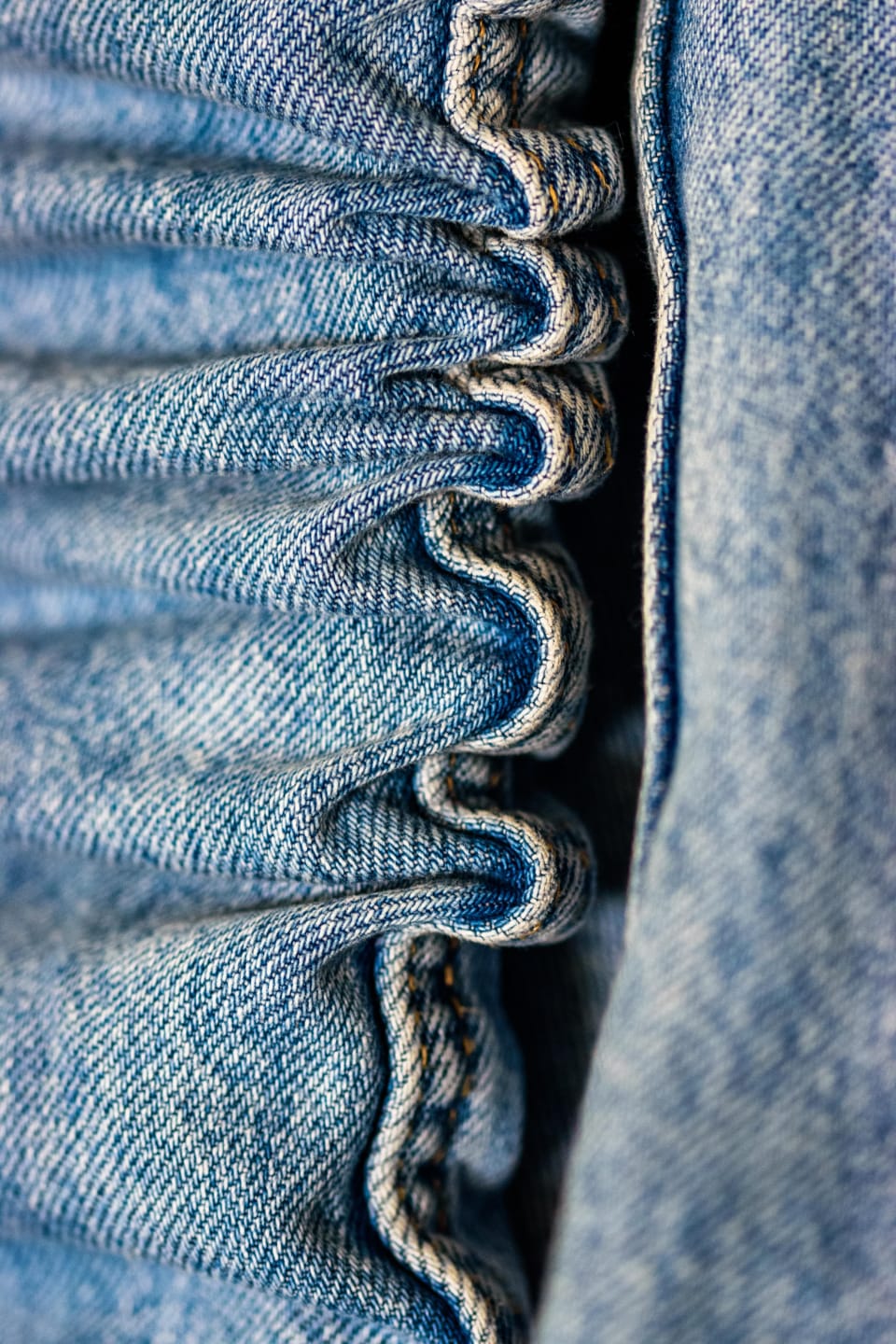
Piping is a narrow strip of fabric (often with a cord inside for volume) sewn into a seam so that a thin, neat rib runs along the line. Piping plays a double role: it emphasises and 'draws' the lines of the cut (collar, lapels, pockets, seams), adding graphic clarity to a piece, and also strengthens and neatly finishes the edge. Piping in a contrasting colour is an expressive decorative device that gives clothing a smart, 'uniform' look (recall the piping on military tunics or sports jackets). Piping in the same colour works more subtly, merely structuring the form. It is a small detail that betrays the level of tailoring and the neatness of the finish.
Pompom
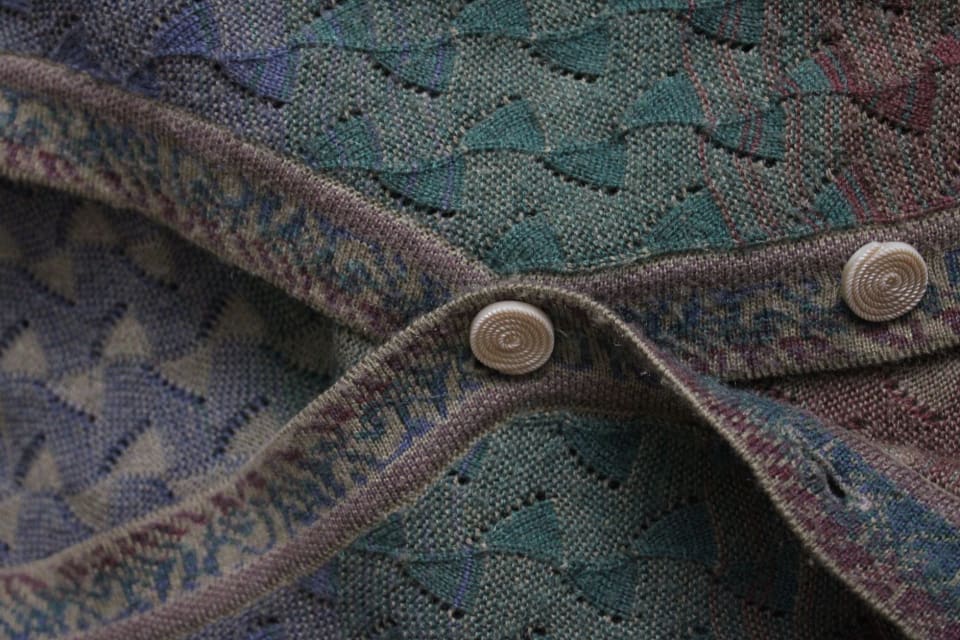
A pompom is a round, fluffy decorative detail of gathered and trimmed threads (yarn, fur or textile) resembling a soft ball. Pompoms add playfulness, softness and a cosy, slightly childlike or folk charm to a piece. The best-known use is the pompom on top of a knitted beanie, and also on scarves, mittens, footwear, bags and children's clothing. Historically pompoms adorned folk dress and headwear in many cultures (recall the red pompom on the French Navy sailor's cap, the bachi). They come small or large, of yarn or fur, matching or contrasting. A pompom always sounds cheerful and cosy. A pompom is a decorative detail in the form of a fluffy ball, in which gathered and trimmed threads add playfulness, softness and a cosy folk charm to a piece, remaining a favourite detail of winter, children's and folk dress.
Rhinestones
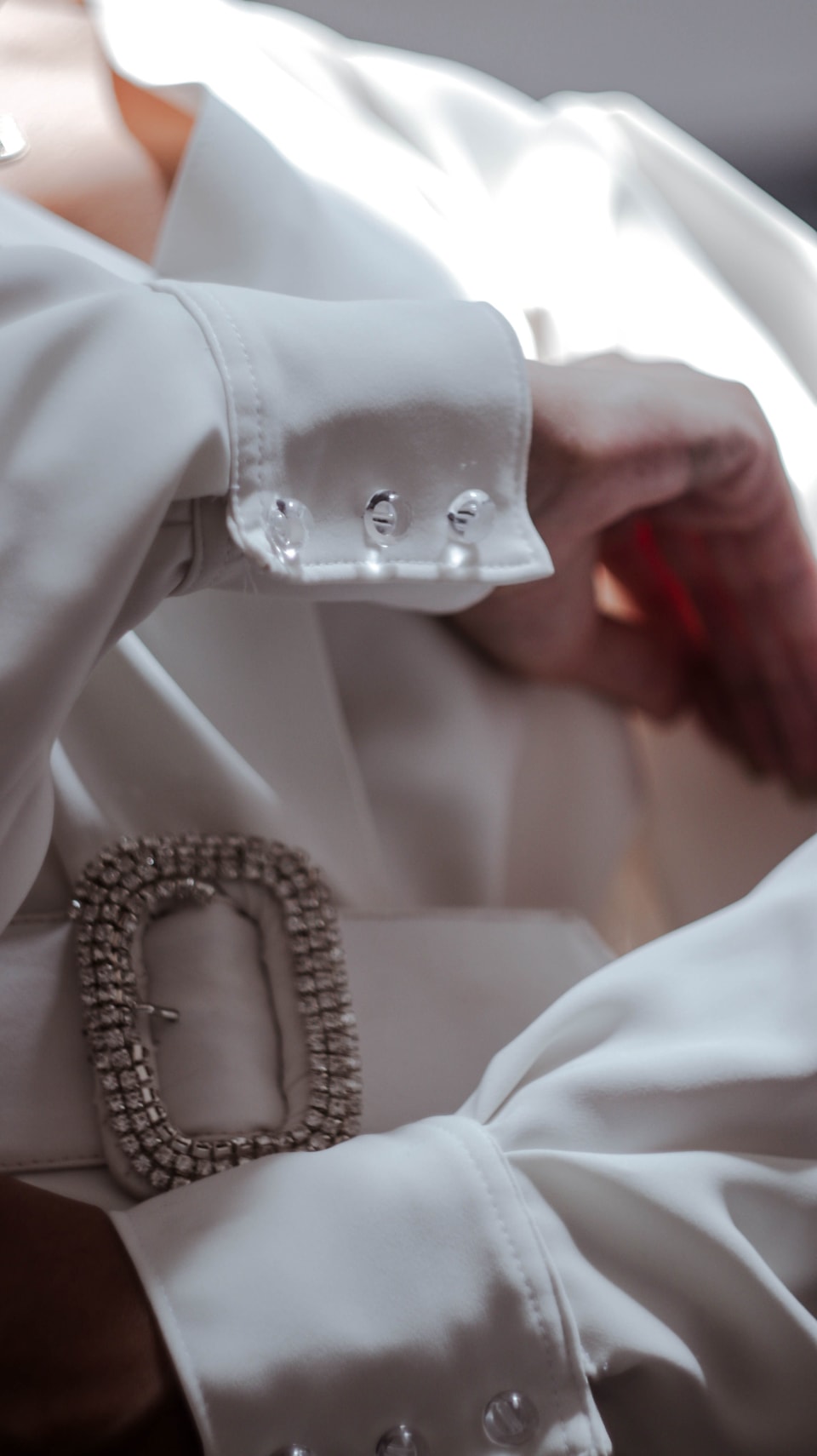
Rhinestones are imitation precious stones of glass or crystal with a mirror coating on the back that gives them a bright, almost diamond-like sparkle. The name comes from the river Rhine, near which glittering quartz crystals were once gathered. The most famous are Austrian Swarovski crystals. Rhinestones are sewn on, glued or set in a mount to add sparkle to a piece without the price of real diamonds. They are indispensable in stage costumes, eveningwear, costume jewellery, footwear and accessories whenever maximum brilliance is wanted. Rhinestones democratised luxury, making the 'diamond' effect accessible. It is a detail of frank, festive glamour that catches and returns every ray of light.
Ruche
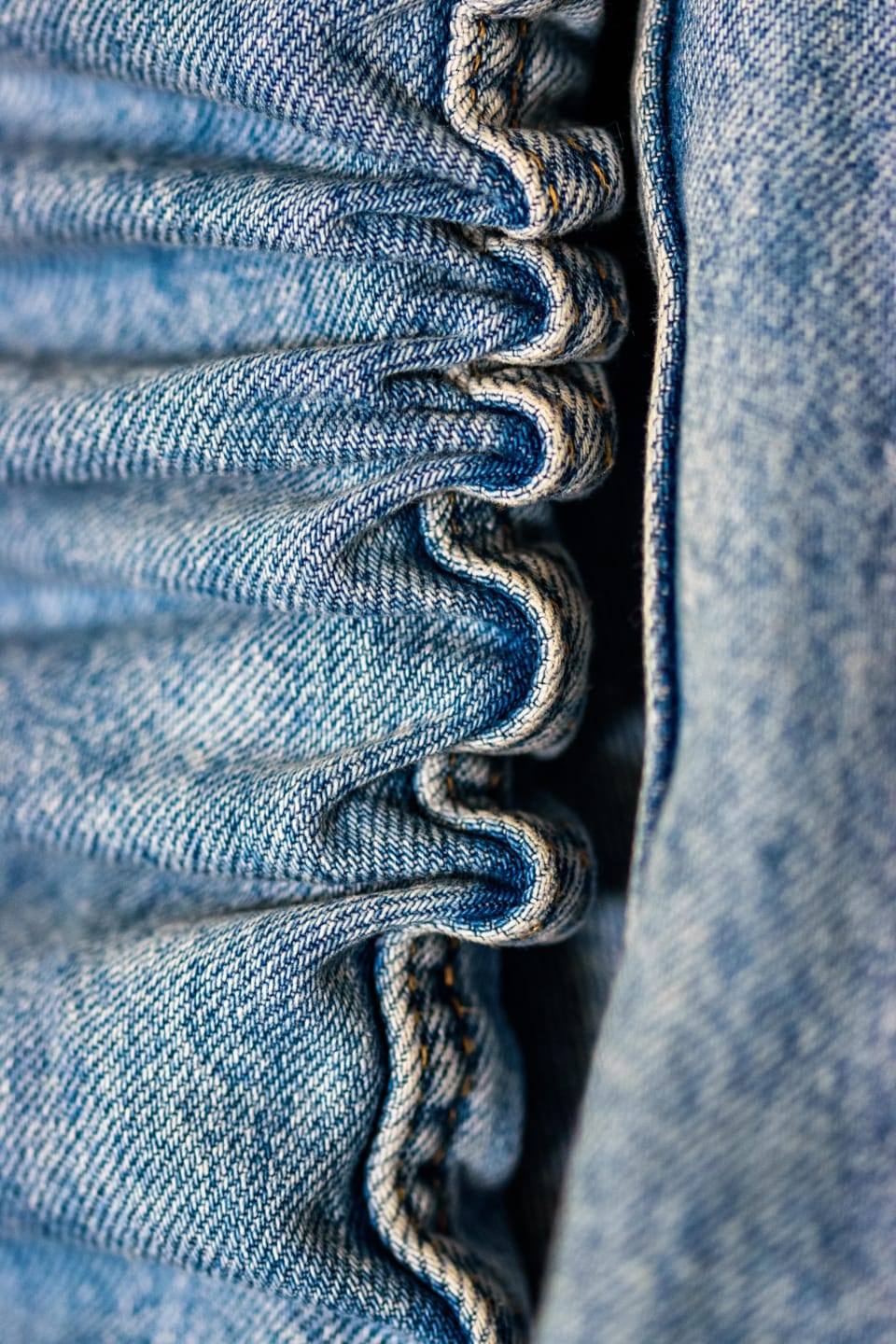
The ruche is a narrow strip of light fabric gathered into small pleats on both sides or in the middle and sewn so that both edges remain wavy. Unlike a ruffle (also called a frill), which is sewn at one edge, the ruche is 'fluffy' on both sides and creates a more delicate, finer decorative effect. Ruches adorn necklines, plackets, cuffs and collars, adding tenderness and vintage charm to a piece. Historically ruches and jabots richly decorated the shirts and blouses of various eras as a mark of refinement. The ruche works as a soft, light accent that softens lines and adds romance to a look. It is made of thin, easily gathered fabrics — chiffon, batiste, organza — that hold a fine gather.
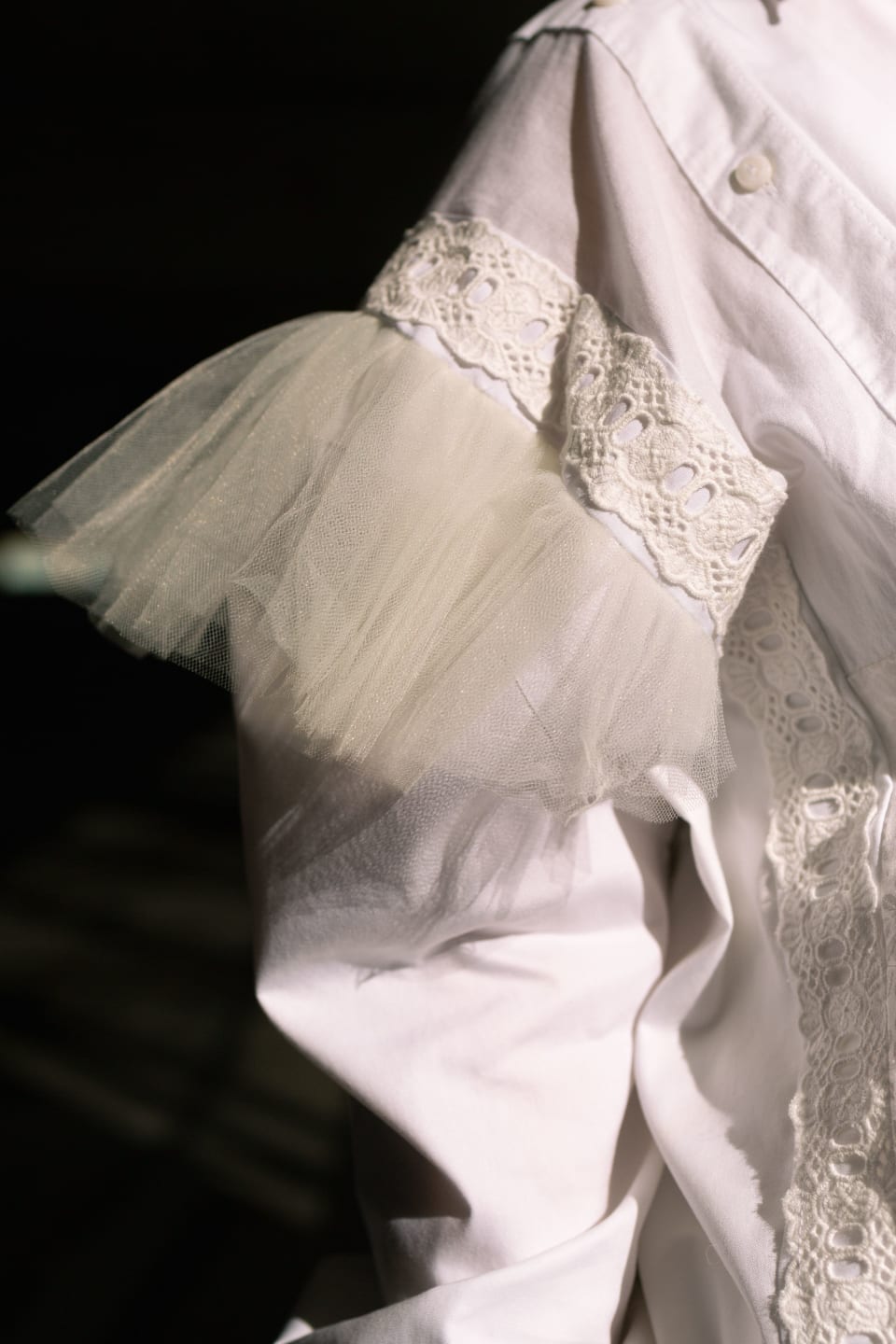
Ruffle
The ruffle is a strip of fabric gathered or ruched along one edge and sewn so that the free edge falls in waves, forming a soft, voluminous frill. Ruffles add movement, volume and romantic femininity to clothing: they sway when walking, soften the silhouette and give it fullness without weight. Historically ruffles richly adorned dresses of many eras, and are especially associated with Spanish and Latin American tradition (flamenco dresses). Ruffles are made on hems, sleeves, necklines and along the shoulder line. Depending on their number and size they can create a gentle hint or a lush, dramatic effect. The ruffle is a detail associated with playfulness, festivity and movement.
Other Fashion Dimensions