


Jewelry as an Accent11 pieces
Jewelry
From minimalist author pieces to heirloom family treasures.
Beadwork
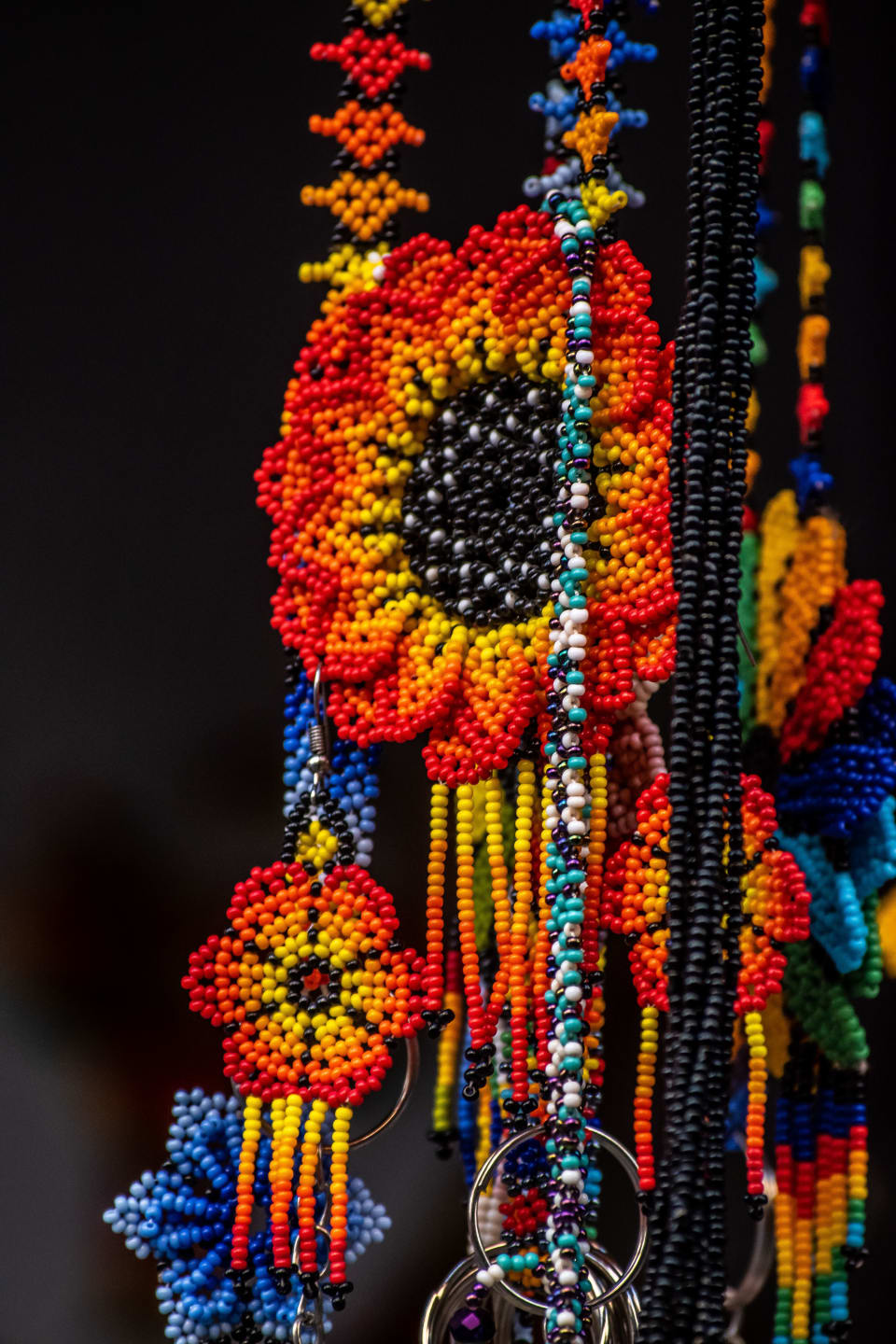
Beadwork is a technique and a type of ornament in which small glass beads are strung and interlaced into patterned webs. In Ukraine beaded adornment is a special pride of folk art: gerdany, also called sylianky (narrow beaded ribbon-necklaces falling over the chest, in places shaped as wide openwork collars), were an obligatory part of festive dress, especially in the Hutsul region and Bukovyna. Each region had its own colours and geometric ornaments, and the very process of beading demanded great patience and precision. Beaded ornaments carry both decorative and symbolic meaning. Today gerdany and sylianky are returning to fashion as a bright, authentic ethnic accent.
Cabochon
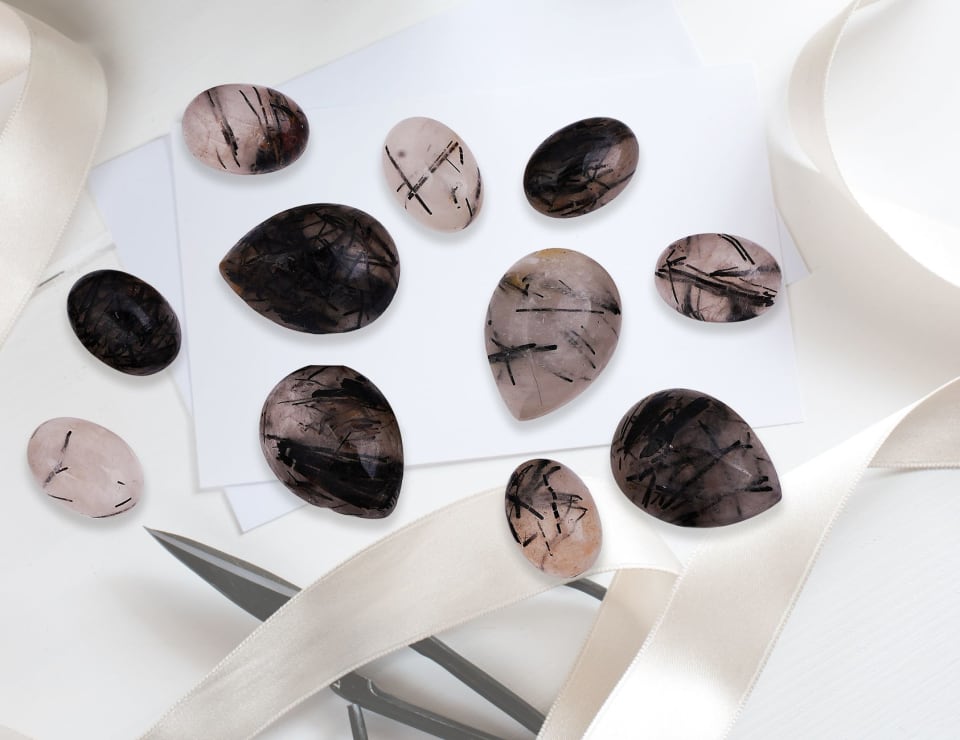
A cabochon is a way of working a precious or semi-precious stone in which it is not faceted but ground and polished to a smooth, convex (most often dome-shaped) form without facets. It is the oldest way of working stones, preceding faceting. Cabochon is used mostly for opaque or translucent stones (turquoise, opal, moonstone, star sapphire, onyx, coral), since the smooth convex surface best emphasises their colour, pattern and special optical effects (like the 'cat's eye' or asterism) that faceting would hide. A cabochon gives an ornament a soft, organic and slightly vintage character. A cabochon is an ancient way of working a stone in a smooth convex form without facets, in which a polished dome best reveals the colour, pattern and optical effects of opaque and translucent stones, giving an ornament a soft, organic and noble character.
Carat
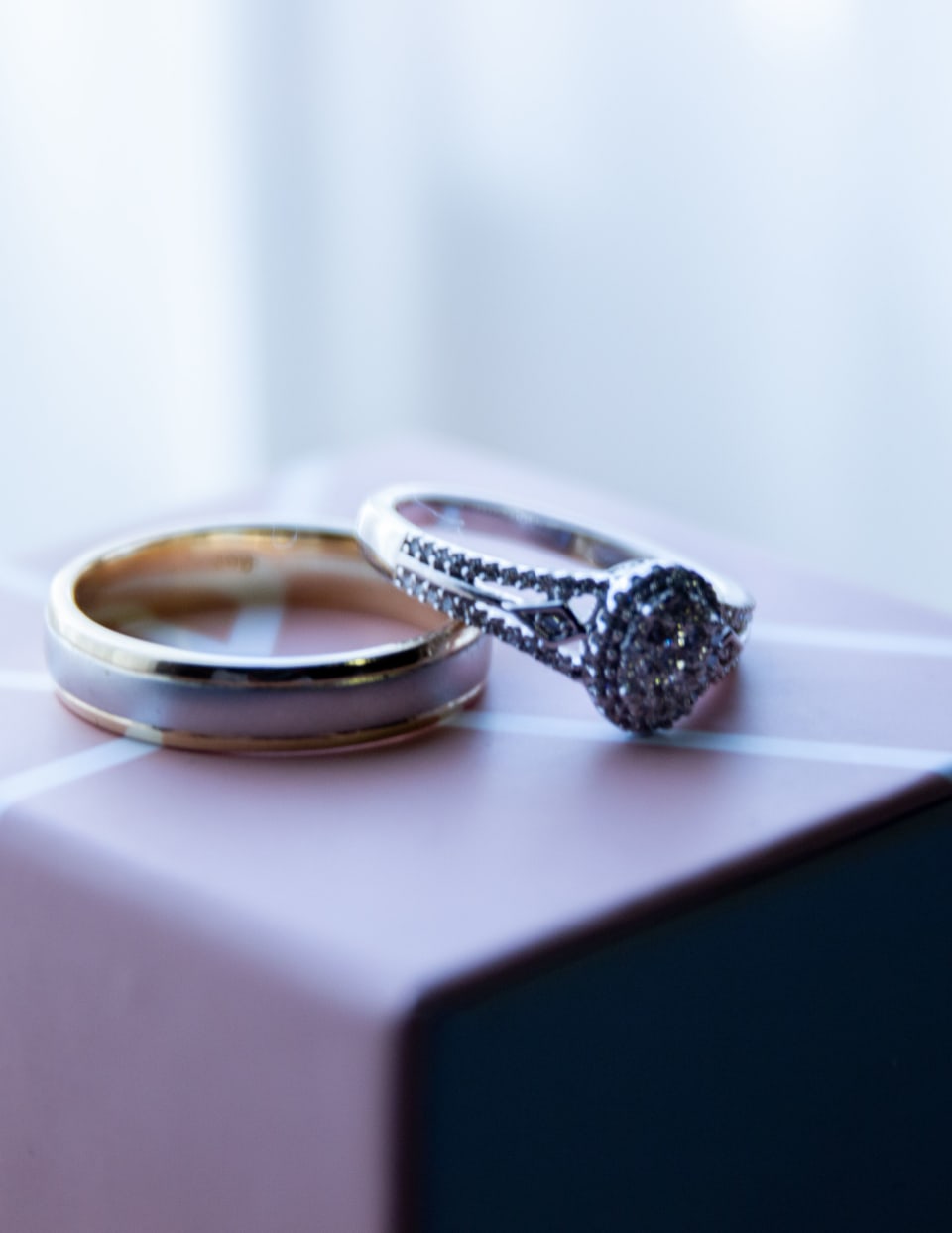
The carat is a unit of weight for precious stones: one carat equals 0.2 grams (it derives from the carob seed, once used as a weight standard). The carat measures mass, not size, so stones of equal weight can look different depending on cut and density. Carat is one of the well-known 'four Cs' of diamond grading (carat, cut, colour, clarity). It is important not to confuse the carat of a stone's weight with the karat of gold purity (there a karat is the fineness of the alloy). As weight increases, a stone's price rises not linearly but in jumps, because large clean stones are far rarer. Carat is a key indicator of a gem's value.
Clasp
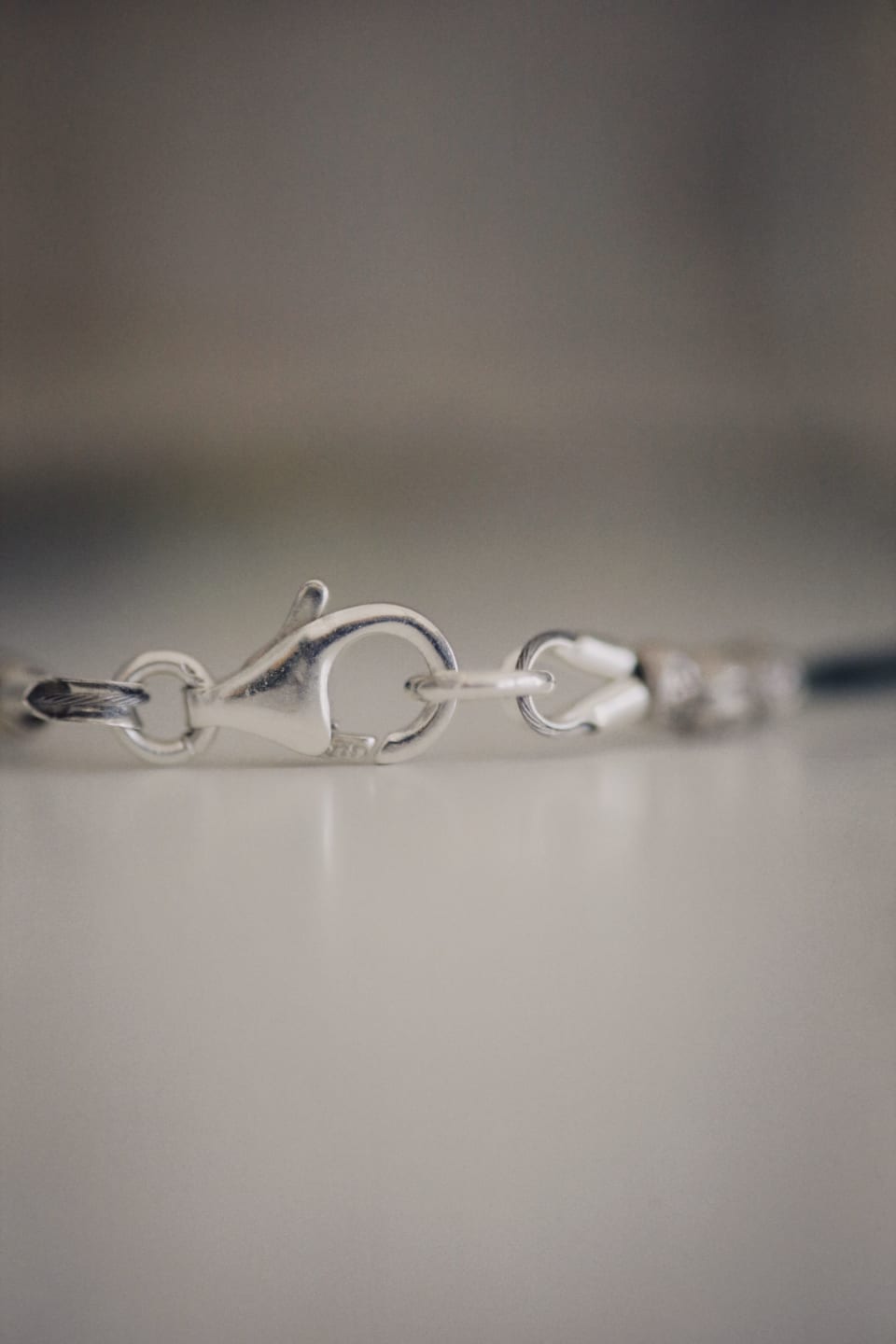
The clasp is a functional element of an ornament that joins the ends of a chain, necklace or bracelet, securing it firmly on the body. Despite its technical role, the clasp is an important mark of quality: it must fasten easily with one hand, hold firmly and not open by accident, protecting the piece from loss. There are many types: the lobster/spring hook, spring ring, toggle (bar-and-ring), box and magnetic clasps. In fine pieces the clasp is often made invisible or, conversely, decorative and built into the design. A reliable clasp is a sign of sound work: whether an ornament survives depends on it, so makers give it particular attention.
Cut
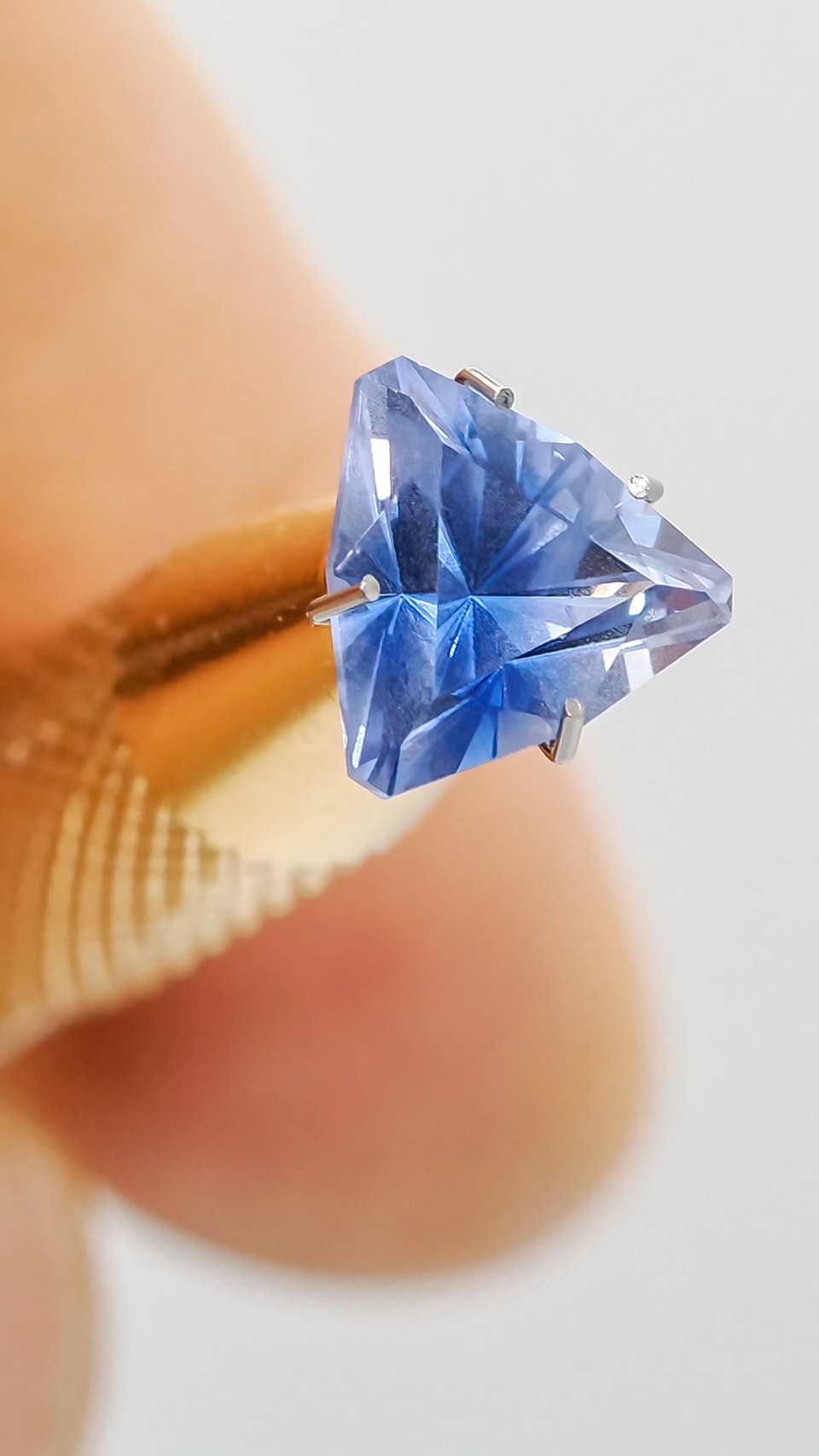
The cut is the art of giving a precious stone a shape and a system of facets that reveal its beauty: the play of light, brilliance and 'fire'. A rough diamond or gem is dull in itself; only a correctly calculated cut makes the stone refract and return light in dazzling flashes. There are many cut shapes — the round brilliant with 57 facets, the princess, emerald, marquise, pear and cabochon (smooth, without facets). The cut is an exact science and at the same time an art: the angle of each facet is calculated so that the maximum of light is reflected back to the eye. It is the cut, not merely the size of the stone, that largely determines its brilliance and value.
Enamel
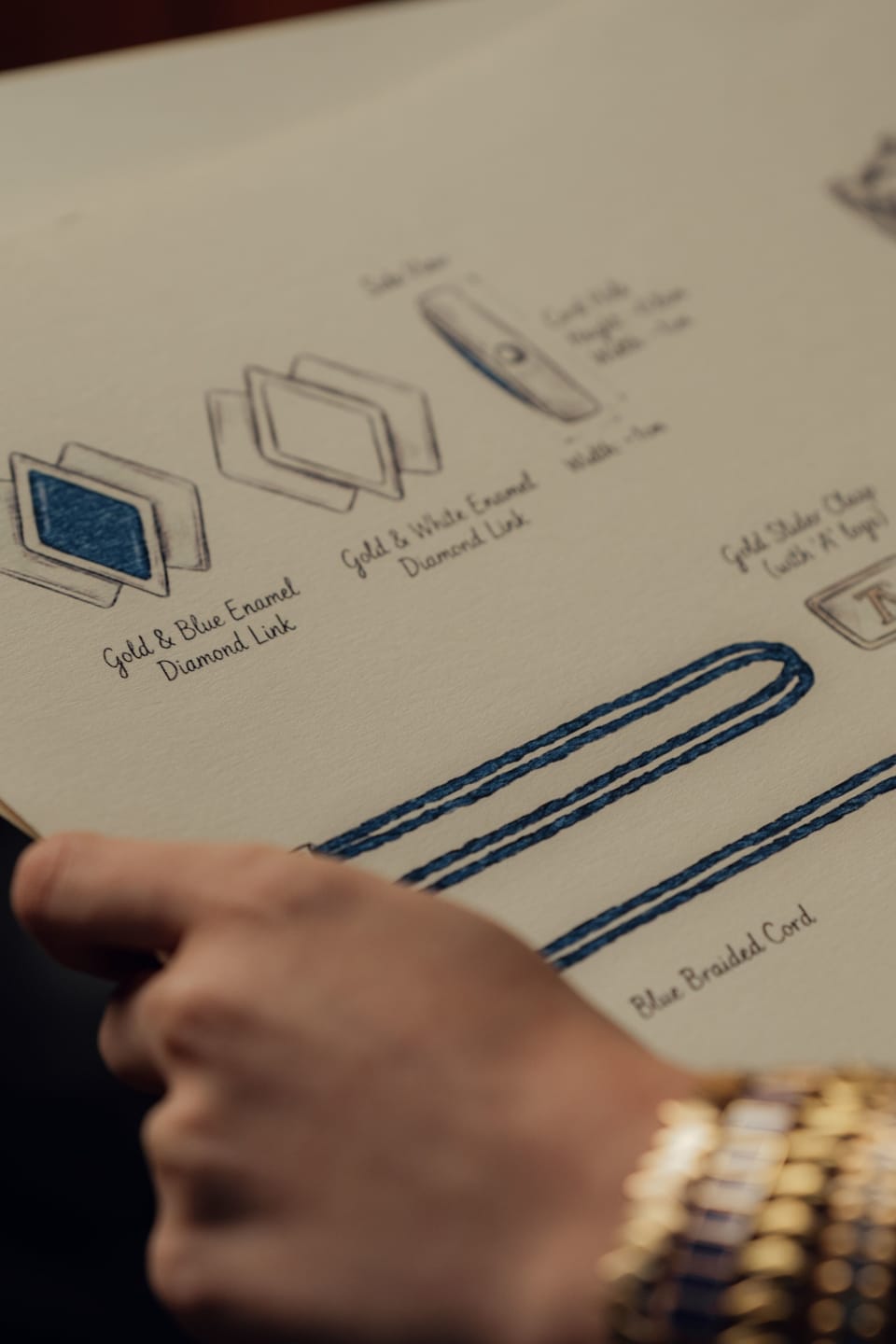
Enamel is a technique in which coloured glass is fused onto a metal surface, giving a bright, durable and long-lasting coating resembling painting on metal. Glass powder is applied to the piece and fired in a kiln at high temperature until it fuses into a smooth, glossy mass. There are many techniques: cloisonné (partition) enamel, champlevé, painted enamel. Enamel adorned jewellery, covers, vessels and cult objects; in Ukrainian and Eastern Christian art enamel shone on icons and church utensils. It is prized for the saturation and permanence of its colour, which does not fade over time. Enamel allows bright hues, unattainable by the metal itself, to be added to a jewellery piece.
Engraving
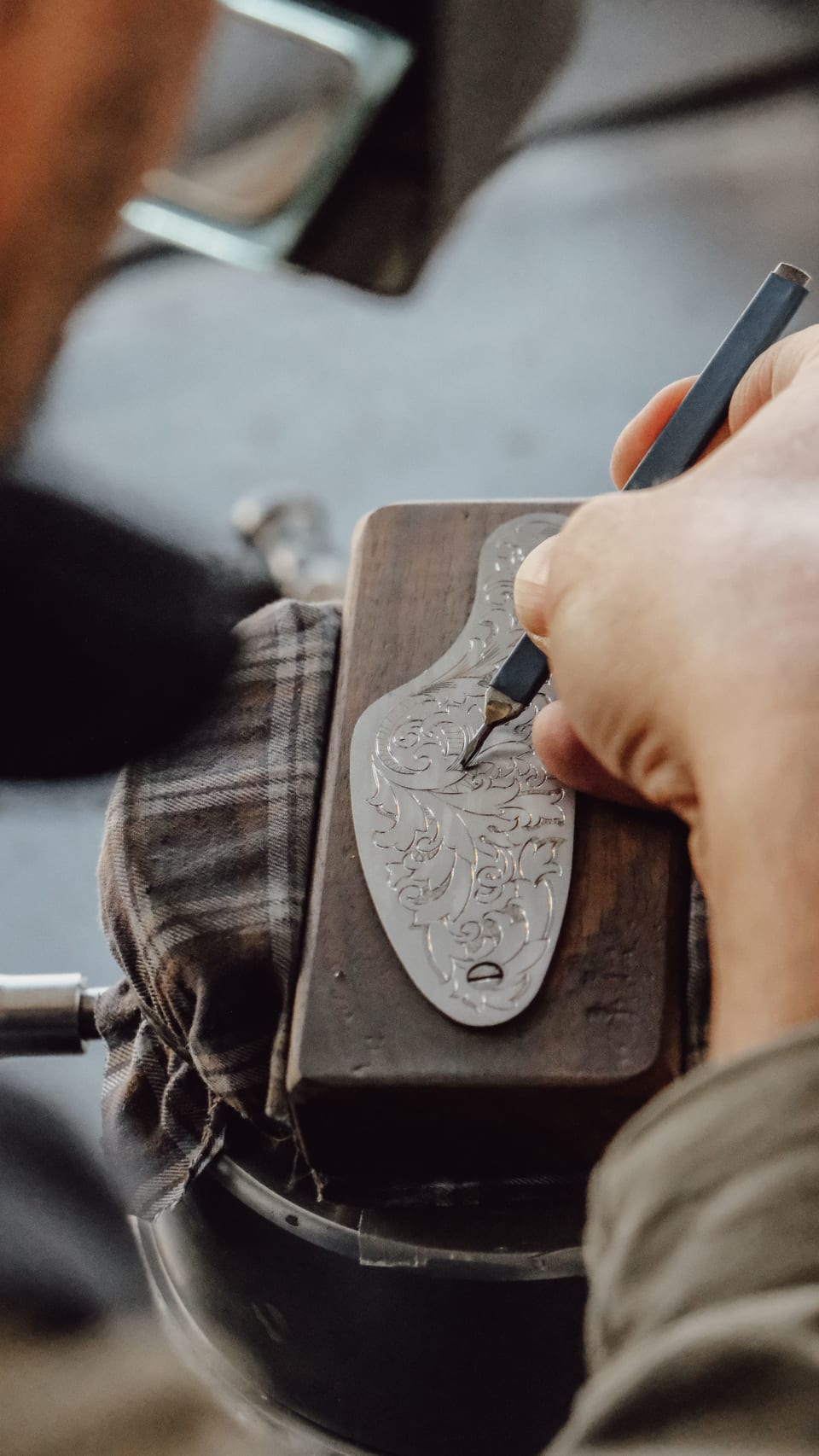
Engraving is a technique of applying a pattern, inscription or image to a hard surface (metal, stone, glass) by cutting fine lines with a graver (burin) or modern tools. Unlike embossing, which raises a pattern by displacing material, engraving removes material, leaving a sharp, lasting design. It is an ancient art: engraving adorned weapons, vessels, seals, jewellery and signet rings, and applied monograms, dates and dedications that give an object personal meaning. Engraving demands a steady hand and precision, since a mistake is almost impossible to correct. Today hand engraving is prized as a mark of mastery and personalisation — it is precisely what turns an ornament into a unique heirloom.
Filigree
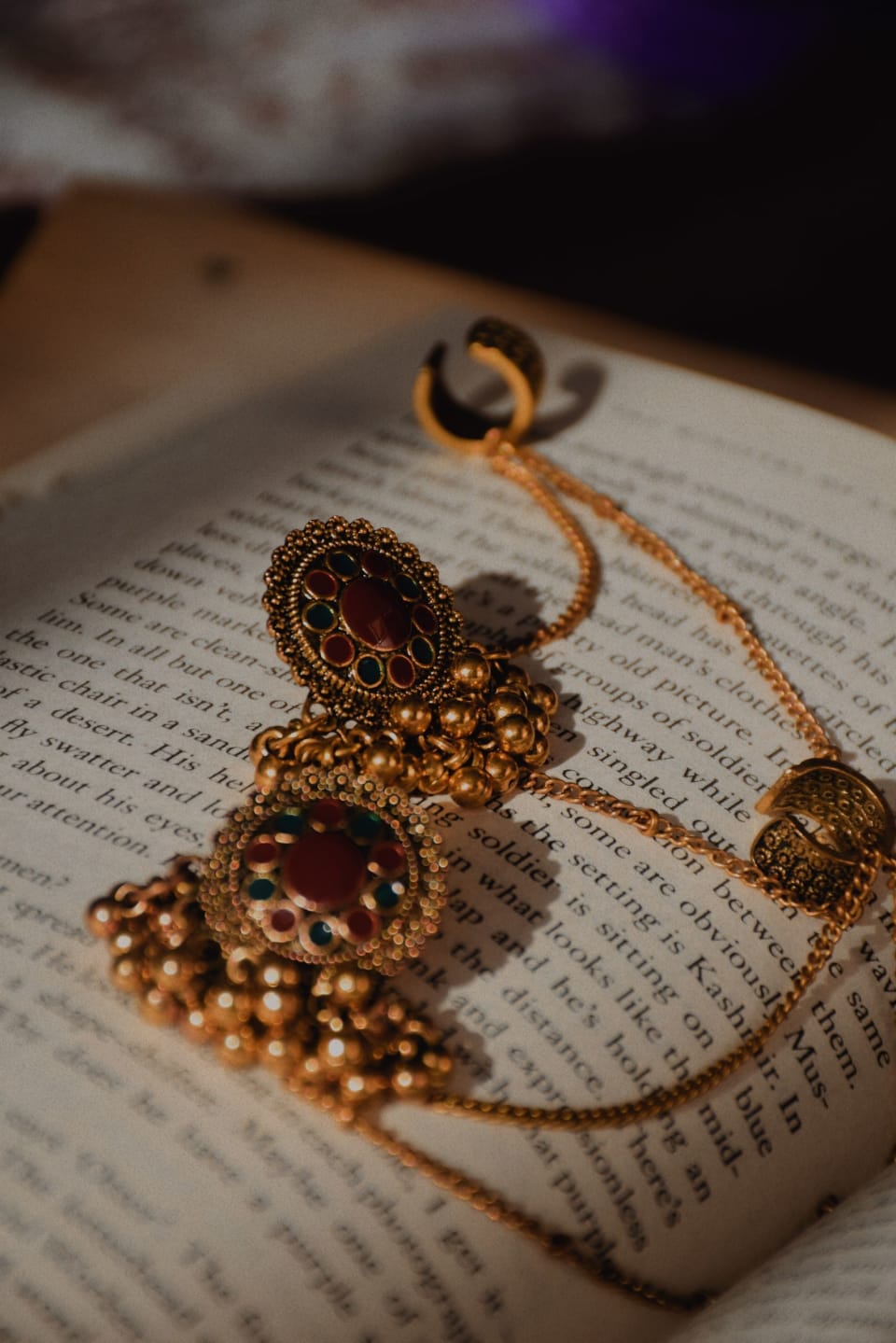
Filigree (skan) is a jewellery technique in which a pattern is made from thin, twisted or smooth metal wire (gold, silver) that is bent, twisted and soldered into an openwork, lace-like tracery. The word comes from the Latin filum ('thread') and granum ('grain'), because the wire is often combined with tiny soldered beads (granulation). It is one of the oldest and finest jewellery techniques, demanding extraordinary precision of hand. Filigree adorned jewellery, icon covers, vessels and luxury objects in many cultures, including Ukrainian and Eastern European craft. The result is a light, airy, expensive-looking construction in which metal becomes almost lace.
Hallmark
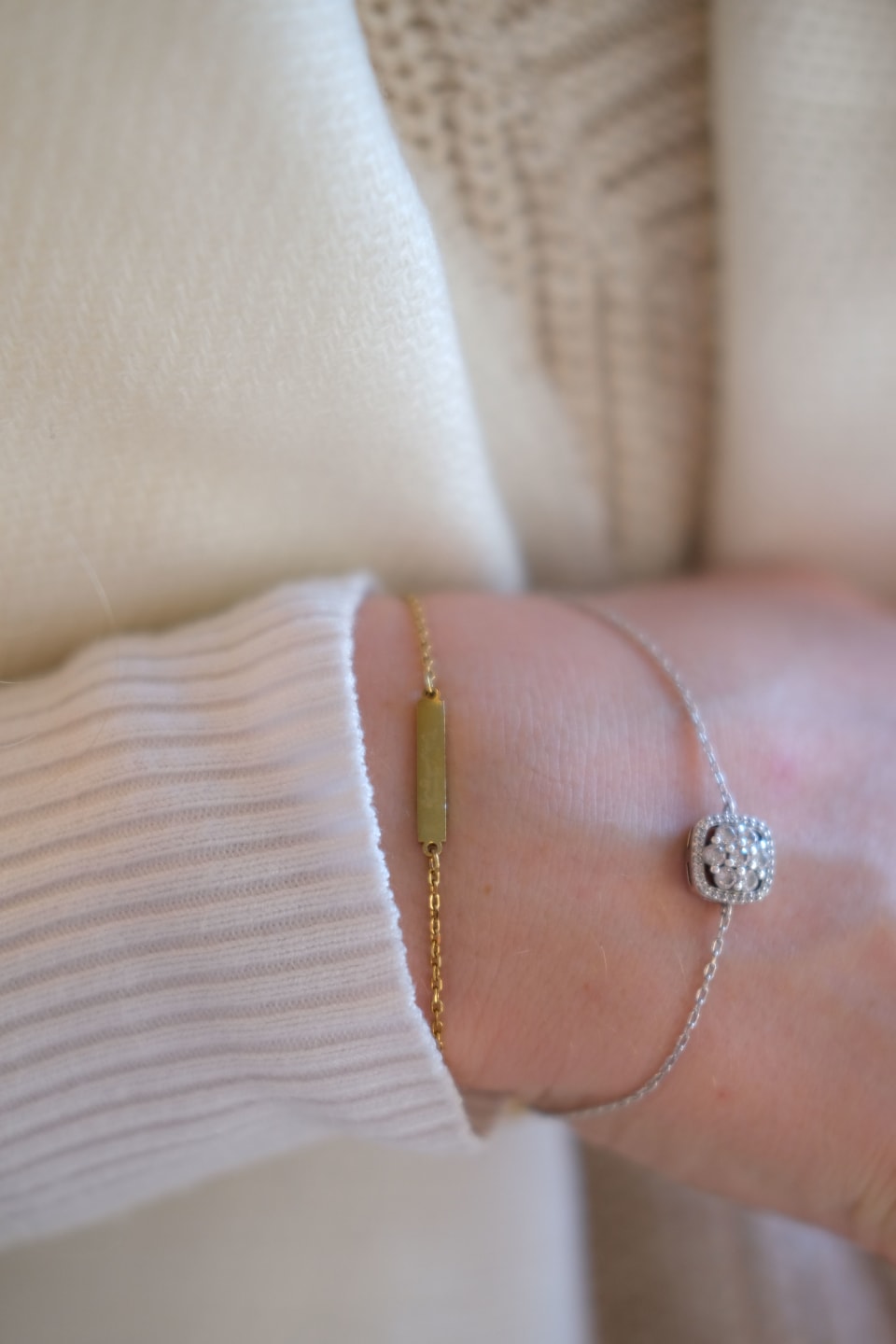
The hallmark is an official stamp on an item of precious metal certifying the content of pure metal in the alloy and serving as a guarantee from the state or an assay office. Since pure gold or silver is too soft for everyday wear, it is alloyed with other metals, and the hallmark shows how much precious metal is in the alloy (for example, 585 gold is 58.5% pure gold). The hallmark protects the buyer from fakes and understatement. Historically the system of assay control took shape as far back as the Middle Ages, and the small stamp on the back of a piece is in fact a whole history of trust and quality. Checking the hallmark is the first step when buying jewellery.
Inlay
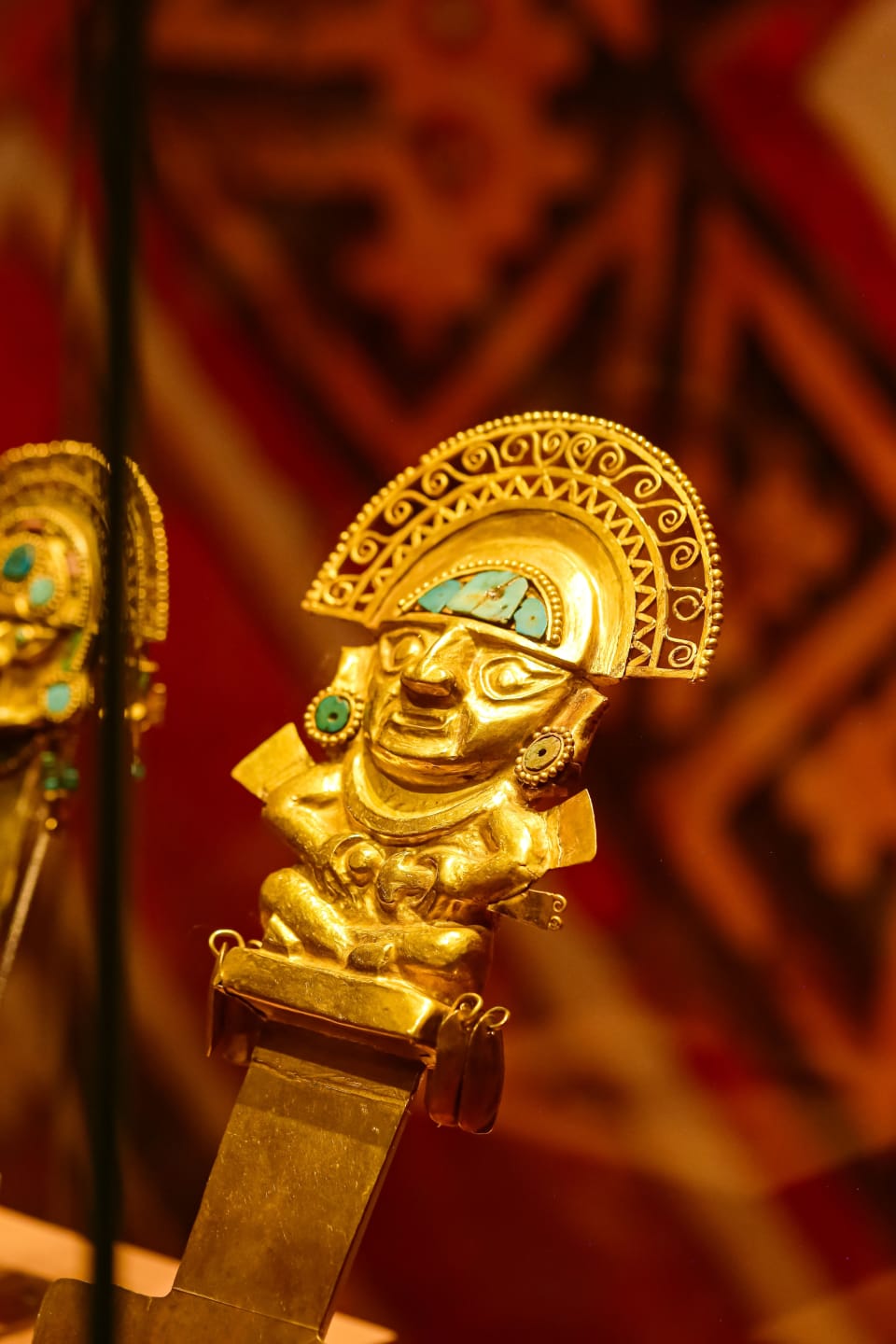
Inlay is a decorative technique in which pieces of one material — precious stones, mother-of-pearl, metal, bone, wood — are cut into and set flush with the surface of another, forming a pattern level with the base. Unlike applied ornament, inlay is 'built into' the material, so it looks integral and refined. This technique is used in jewellery, weapons, furniture, musical instruments and accessories. Historically inlay with mother-of-pearl and silver was a sign of luxury and high craft in many cultures. It demands perfect precision of fit so the insets lie flawlessly flush. Inlay adds depth, an interplay of materials and a sense of precious, considered detail to a piece.
Other Fashion Dimensions
Continue Exploring

Related sections




