



Jewelry as an Accent14 pieces
Jewelry
From minimalist author pieces to heirloom family treasures.
Anklet
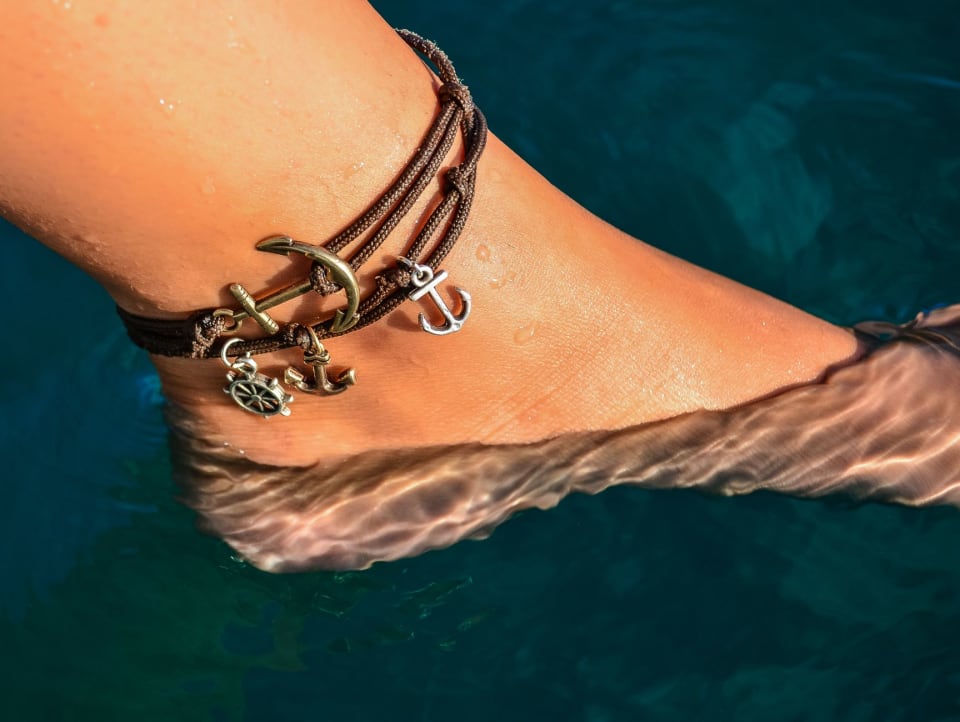
An anklet is an ornament that wraps the leg just above the foot. It is one of the oldest forms of body adornment, widespread in many cultures — from Ancient Egypt and India (where anklets with little bells had a ritual meaning too) to modern beach and resort fashion. An anklet accentuates the leg and the line of the foot, adding lightness, femininity and effortless sensuality to a look. It is worn mostly in summer, with open footwear or barefoot, often on tanned skin. It comes thin and delicate (a chain) or expressive, with pendants, beads or bells. An anklet is a leg ornament with ancient roots in many cultures, in which wrapping the ankle accentuates the line of the foot, adding summer lightness, femininity and effortless, slightly exotic sensuality to a look.
Bangle
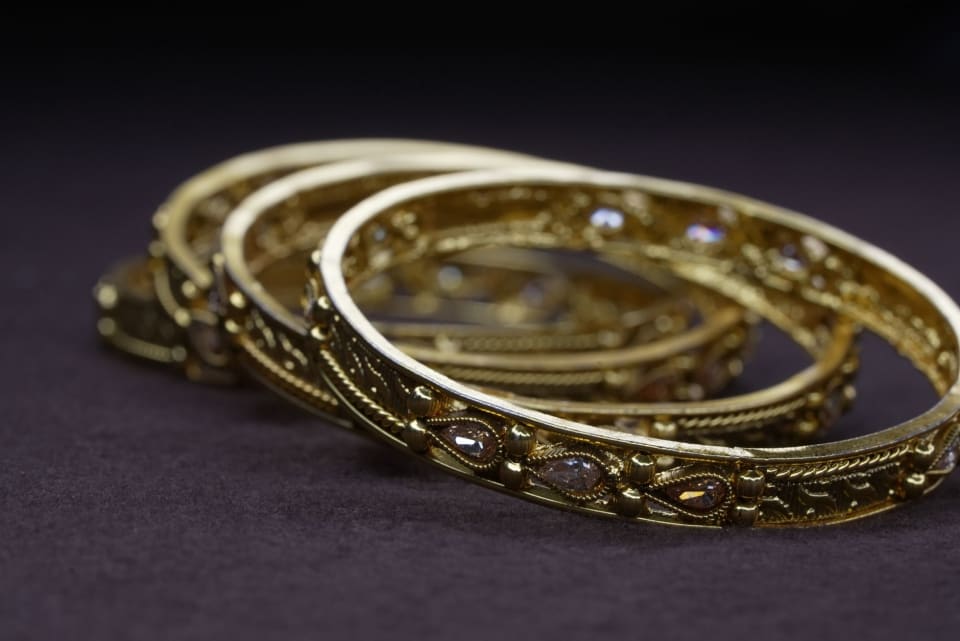
A bangle is a bracelet of solid, rigid material (metal, wood, glass, plastic, bone) in the shape of a closed or almost closed ring, slipped over the hand or clasped. Unlike flexible chain bracelets, a bangle holds a clean shape and looks striking, especially when several are worn at once, creating a characteristic jingling sound with movement. Historically such bracelets are one of the oldest ornaments in many cultures (especially in India, where glass bangles have a deep symbolic meaning). They come thin or massive, smooth or adorned. A bangle is an ornament in the shape of a solid ring, in which a rigid material holds a clean, expressive shape, while the tradition of wearing several at once creates a characteristic rhythm, sound and ethnic-decorative accent with ancient cultural roots.
Bracelet
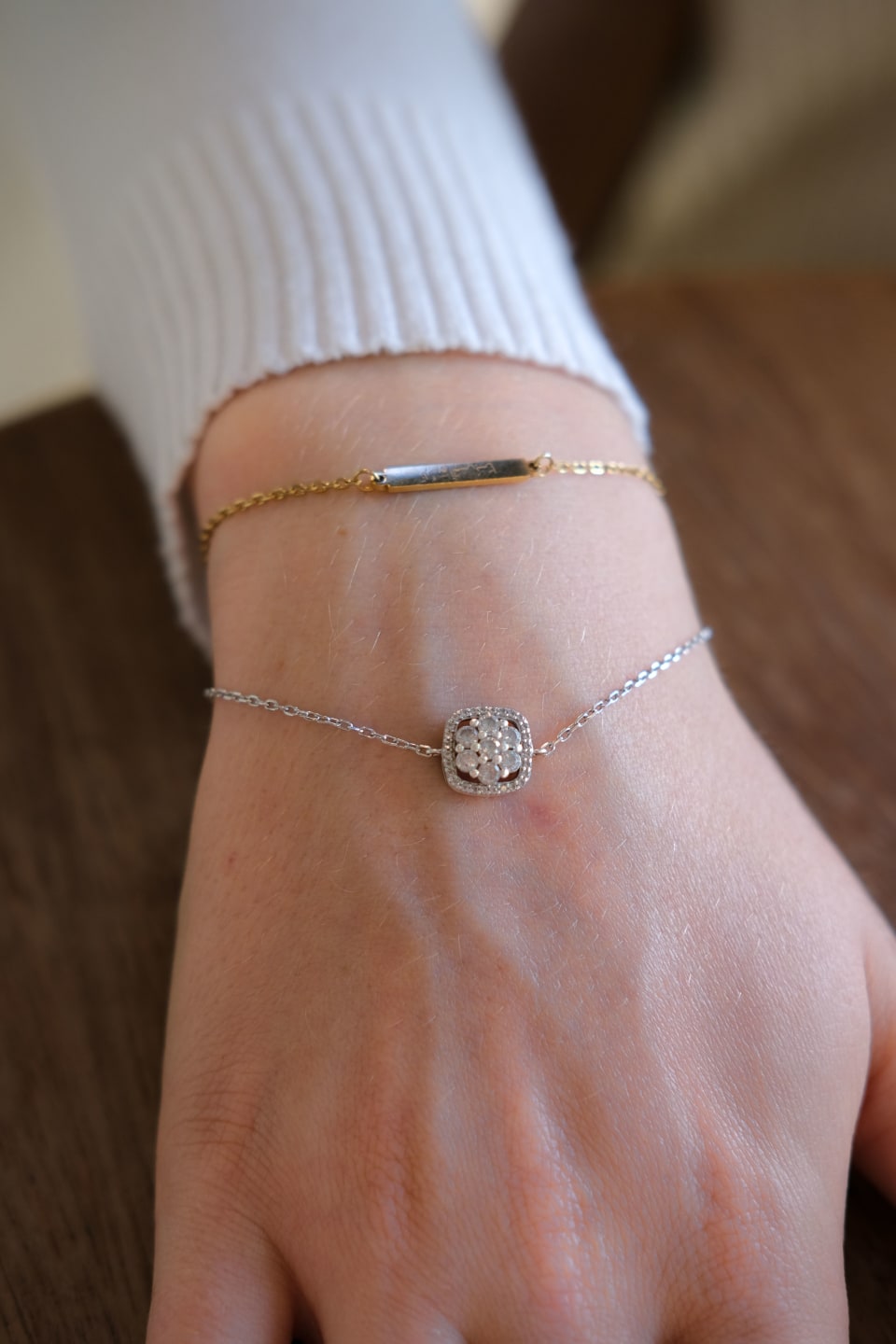
A bracelet is an ornament that encircles the wrist or forearm. It is one of humanity's oldest ornaments: bracelets of bone, bronze and silver are found in burials thousands of years before our era. Historically they had both a decorative and a protective meaning — it was believed that by encircling the arm, a bracelet protected its wearer. The forms are boundless: rigid bangles, chain, plaited, set with stones or with charm pendants that tell a personal story. A bracelet draws attention to the gesture, the wrist and the hand, and pairs beautifully with a watch and rings. It is an ornament that is easy to 'hear' — it moves and sometimes chimes gently in motion.
Cameo
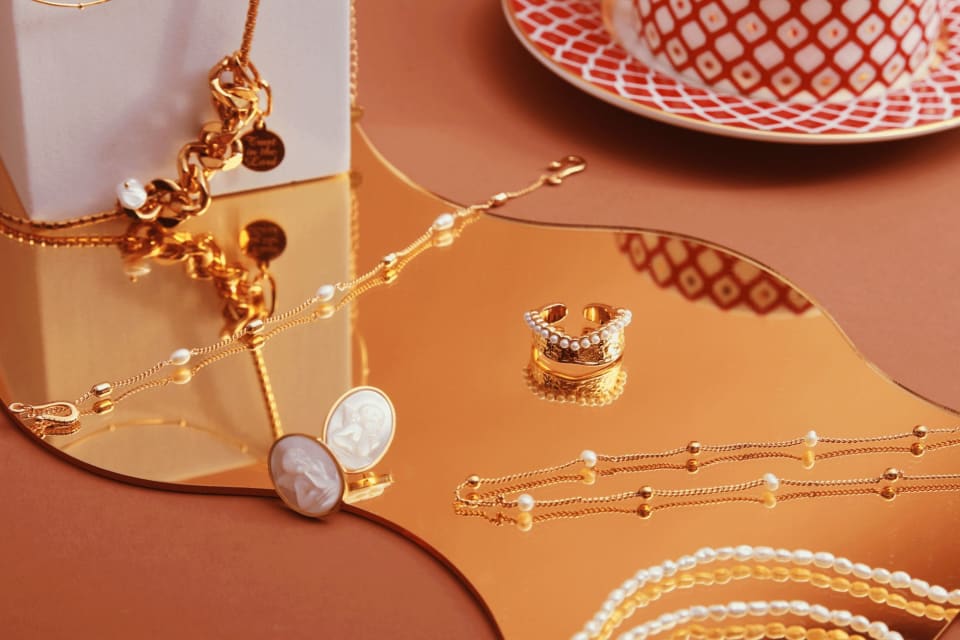
A cameo is an ornament with a raised carved image (most often a profile of a woman's face), carved on stone, shell or another material so that the light relief stands out against a darker ground. This carving technique has been known since antiquity: makers used layered stones (onyx, agate) or shells, where the different colours of the layers created a contrast of figure and ground. Cameos were extremely popular in the Victorian era as refined brooches, pendants and rings. They embody a classic, 'antique' elegance and the mastery of hand carving. A cameo is an ornament with a raised carved image on a contrasting ground, in which the ancient technique of carving layered stone or shell creates a refined miniature bas-relief that embodies classic, vintage elegance and the mastery of the hand with a centuries-old tradition.
Charm
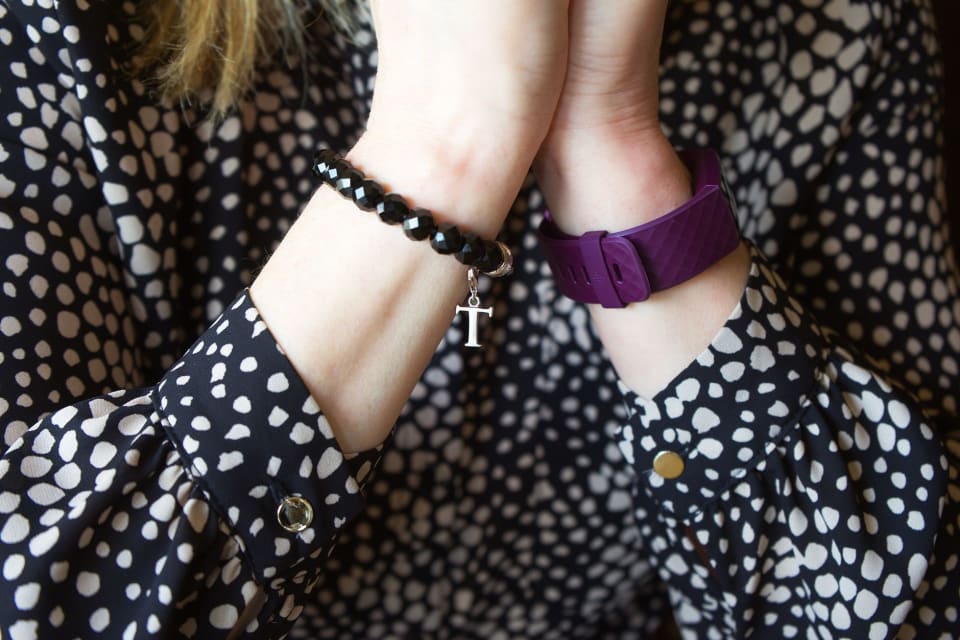
A charm is a small decorative amulet pendant attached to a bracelet, chain or bag. Each charm usually has its own meaning or symbolism (a heart, a horseshoe, a star, a letter, a zodiac sign, a memorable place), so from them a personal, 'storytelling' collection is assembled, reflecting the history, passions and important events of the owner. Historically amulet charms were worn as talismans as far back as antiquity, and the fashionable enthusiasm for charm bracelets now fades, now returns, especially thanks to brands such as Pandora. Charms are collected, given for significant occasions, passed down as inheritances. A charm is a small amulet pendant with its own symbolic meaning, in which a talismanic tradition combines with the ability to assemble a personal, 'storytelling' collection that turns an ornament into a living chronicle of the owner's memories, passions and important events.
Cufflinks
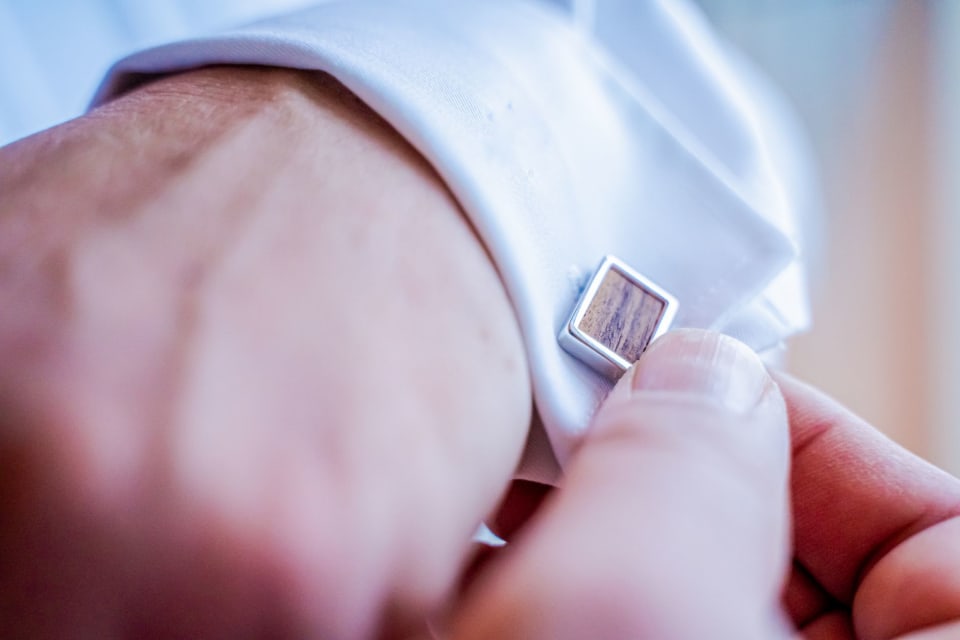
Cufflinks are a paired decorative fastening that joins the cuffs of a shirt instead of buttons, threaded through special holes. Cufflinks are one of the few ornaments of the classic men's wardrobe and at the same time a refined mark of status, taste and attention to detail. They are worn with cufflink shirts (with double cuffs) in a business and especially a formal, evening context (tuxedo, tailcoat). Cufflinks are made of precious metals, with enamel, stones, engraving; they may be restrained or bright, and may carry a personal or family symbol. It is an accessory passed down as an inheritance. Cufflinks are a refined paired fastening ornament for shirt cuffs, in which the function of joining combines with the role of a subtle mark of status, taste and individuality, being one of the few classic adornments of the men's wardrobe.
Earrings
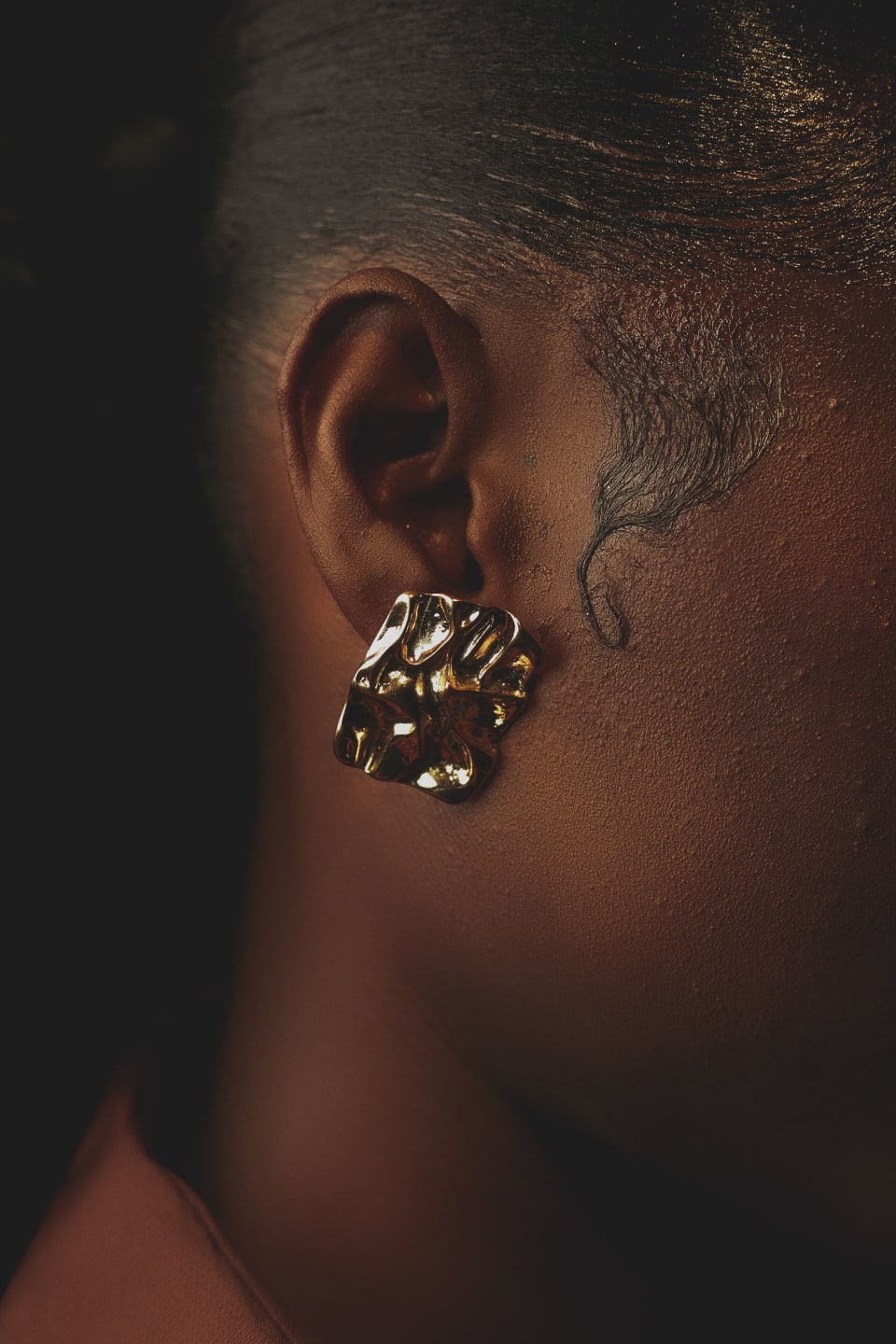
Earrings are a paired ornament for the ears, one of the oldest and most widespread in the world. Historically earrings had not only a decorative but also a protective and status meaning: in various cultures they marked age, marriage and belonging to a lineage. In Ukrainian folk dress silver earrings (kovtky) completed the festive look of a girl and a woman. Earrings frame the face, draw attention to it and can change the whole mood of a look — from severe studs to long dramatic drops. They are made of gold, silver, with stones, pearls, enamel or beads. Earrings are perhaps the most frequently worn ornament, because they are always on show.

Hoop earrings
Hoop earrings are earrings in the shape of a ring or half-ring that wrap the earlobe, forming a closed or almost closed circle. It is one of the oldest and most versatile forms of earring, known since ancient civilisations (Egypt, Greece, Rome). Hoops come in any size — from tiny ones that delicately encircle the lobe to large, dramatic hoops that became a symbol of boldness, character and street chic (recall the aesthetic of hip-hop and Latin American culture). They are made of gold, silver, adorned or smooth. Hoop earrings add dynamism and confidence to a look. Hoop earrings are an ancient, versatile form of earring, in which a closed circle frames the lobe, combining a millennia-old tradition with a character and expressiveness that ranges from delicate everyday classics to bold, dramatic street chic.
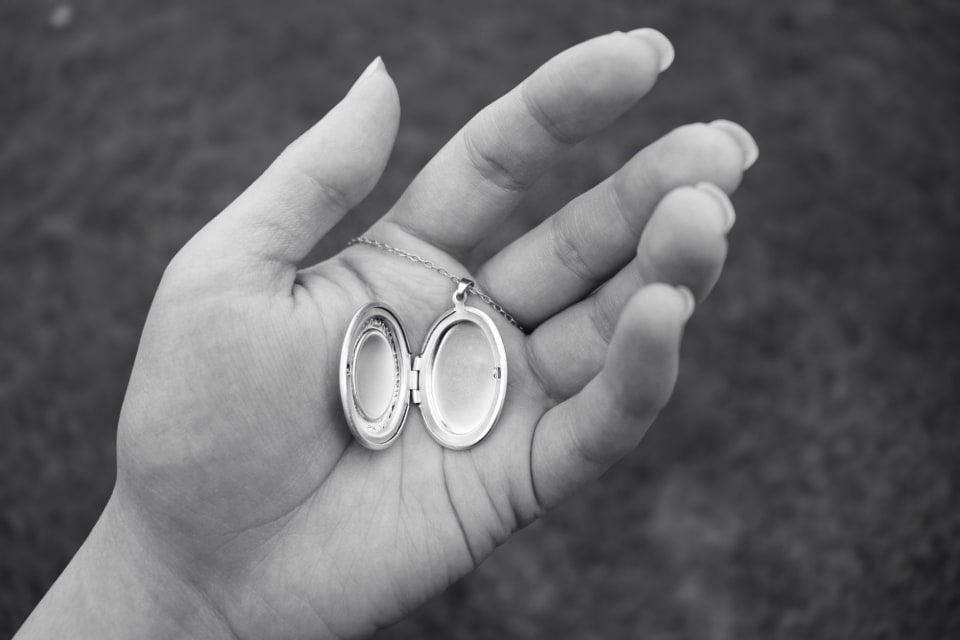
Locket
A locket is a pendant that opens, inside which a small photo, portrait, lock of hair or other treasured keepsake is kept. A locket is not merely an ornament but a personal, intimate talisman that carries a memory or the image of a loved one close to the heart. Historically lockets were extremely popular in the Victorian era as a mark of love, memory and mourning. They come in various shapes (round, oval, heart-shaped), of gold, silver, with engraving or stones. Today the locket remains a symbolic, sentimental gift. A locket is a pendant-hideaway, in which the ability to keep a photo or keepsake inside turns an ornament into a personal, intimate talisman of memories, which for centuries has remained a symbol of love, remembrance and heartfelt attachment.

Necklace
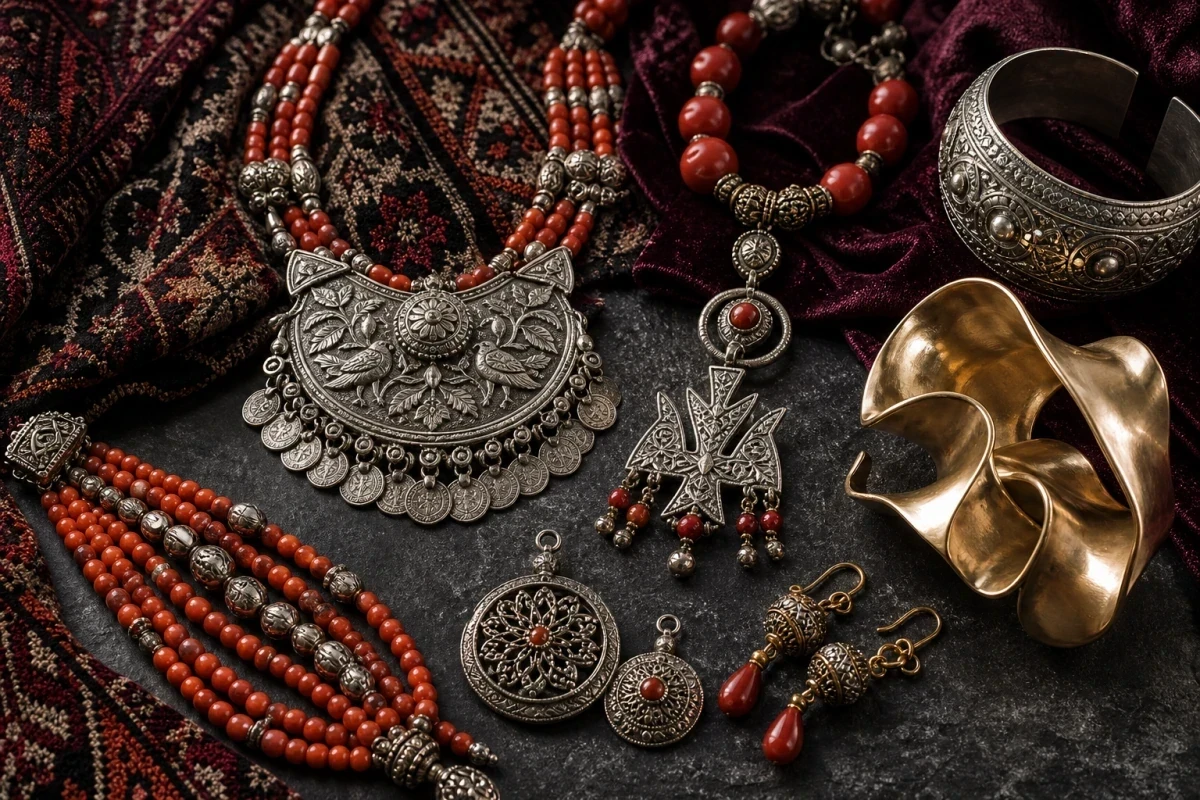
A necklace here (kolye) is a neck ornament, usually of a more elaborate, 'built' construction with a central accent, unlike a simple chain or a strand of beads. But in Ukrainian tradition neck adornment is a whole culture: coral namysto, dukach coins on a bow, zgardy and monysto were not merely ornaments but talismans, signs of prosperity and regional belonging. Red corals ('good namysto') were considered a symbol of health and abundance, and the number of strands showed a family's status. Contemporary Ukrainian jewellers reinterpret this heritage, uniting traditional motifs with the language of fine jewellery. A necklace completes a look, drawing the eye to the face and décolletage.
Other Fashion Dimensions
Continue Exploring

Related sections




