

The Craft Mastered6 techniques
Techniques
Embroidery, tailoring, knitting — techniques passed down generations.
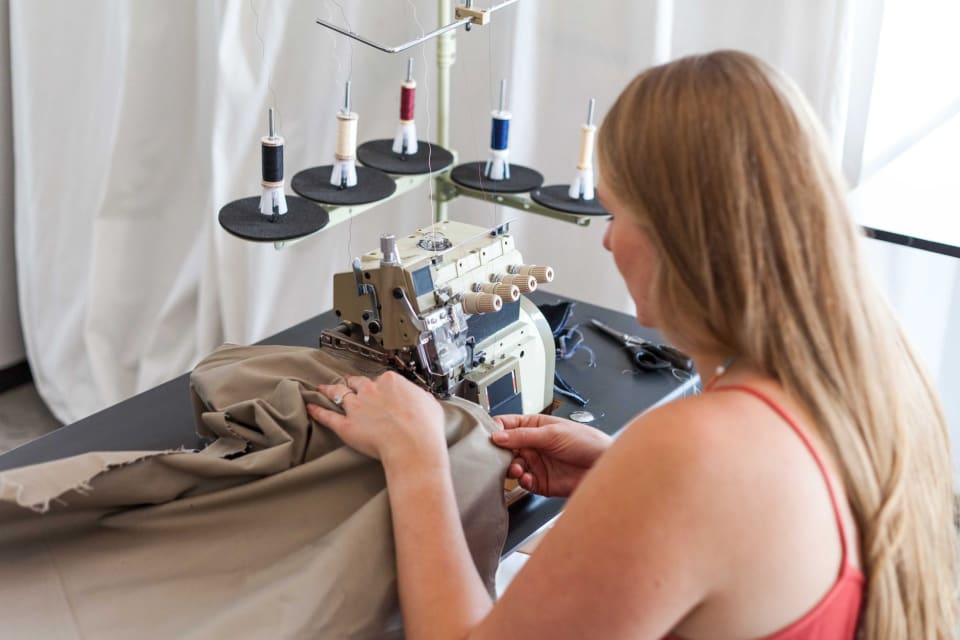
Overlocking
Overlocking is a technique of finishing the raw edge of fabric, in which the edge is oversewn with a special interlacing of threads (most often on an overlocker/serger) so that it does not fray or unravel. It is one of the basic, 'invisible' stages of sewing, on which the durability and neatness of a piece from the inside depend. The overlock seam simultaneously trims the excess fabric, draws the edge together and oversews it with several threads, so it works fast and reliably. Overlocking can also be decorative — with contrasting threads along the edge of knit or light fabrics (the rolled hem). The quality of overlocking is one of the marks by which professional sewing is distinguished. In fashion this technique is the foundation of durability. Overlocking is the technical basis of quality sewing, in which a neat finish of the raw edge protects the fabric from fraying, ensuring a piece a clean inside and a long, reliable life.
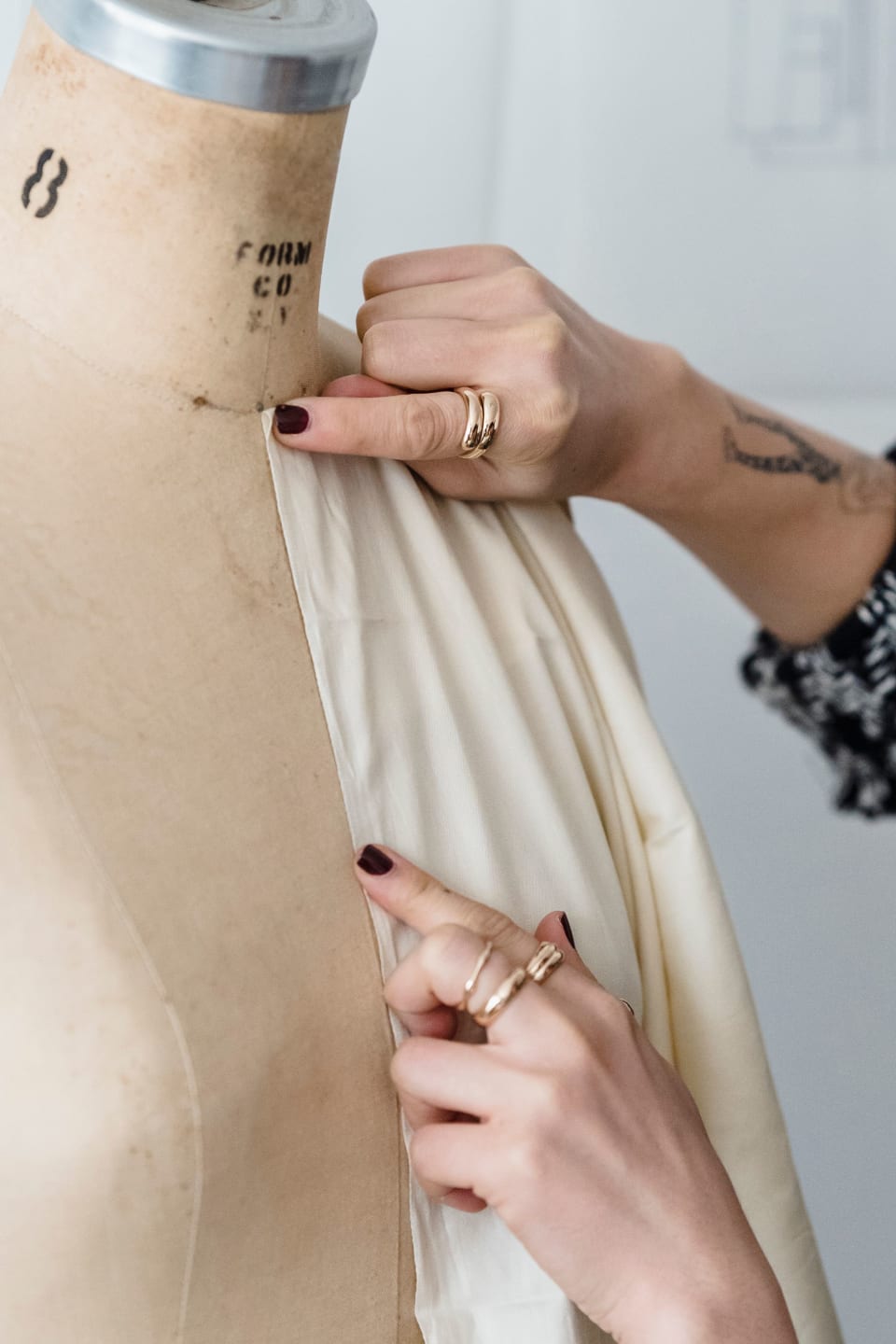
Pleating
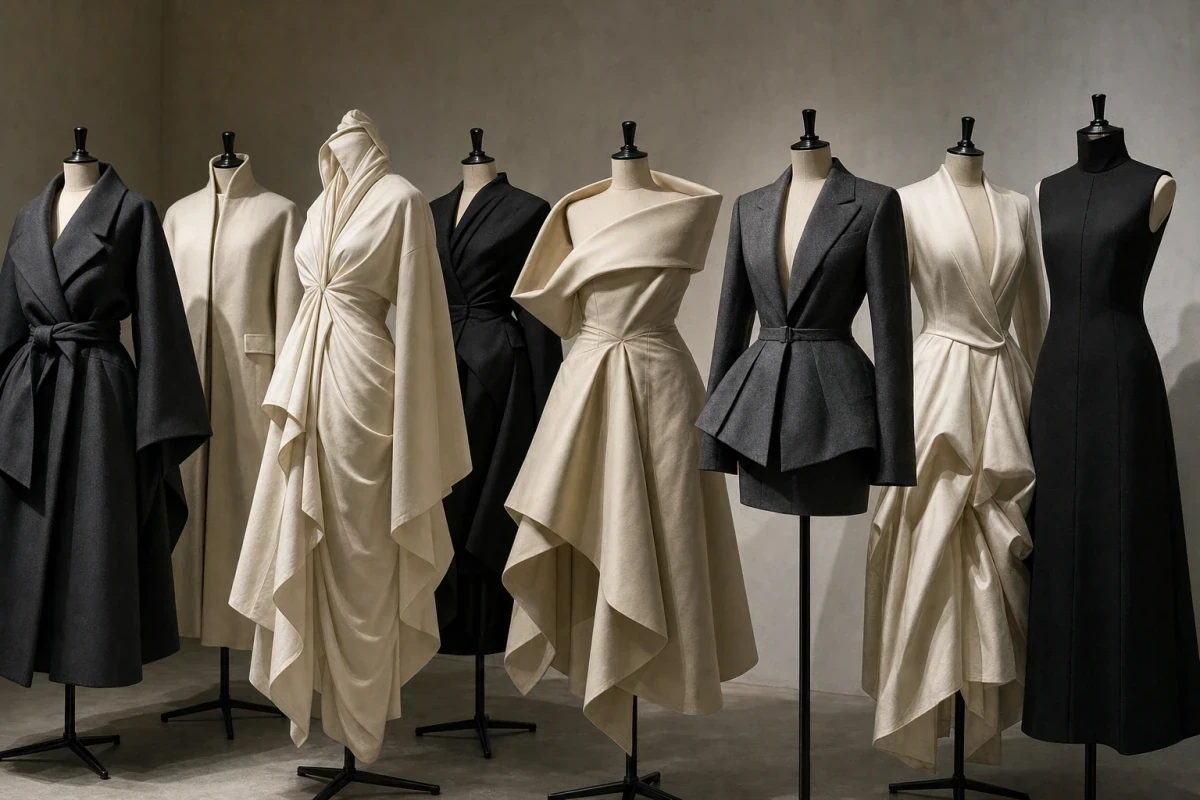
Pleating is a technique of creating even, lasting folds ('pleats') in fabric, which are set and fixed with heat, steam and pressing. Unlike ordinary folds, pleats hold for a long time and recover their shape, giving the cloth a rhythmic, accordion-like texture that moves beautifully and plays with light. The classic example is pleated skirts and dresses; Henriette Negrin and Mariano Fortuny (Delphos gown, c. 1907) added world fame to the technique with their legendary pleated silks. Pleating gives volume without weight, visual slenderness and dramatic movement. The fabric for lasting pleats is usually synthetic or specially treated, because natural fibres 'remember' a fold less well.
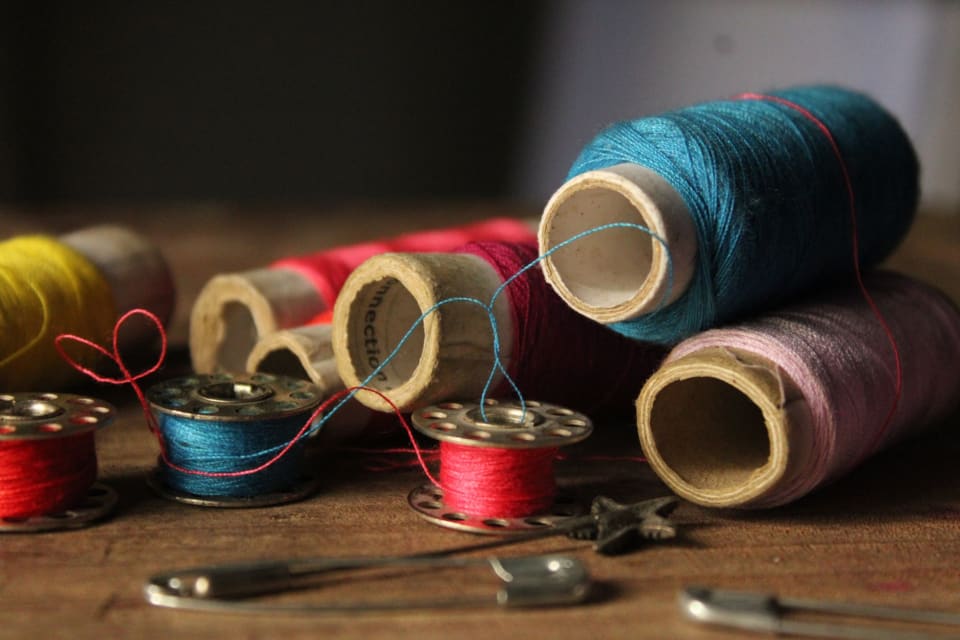
Ruching
Ruching is a draping technique in which fabric is gathered into soft, uneven folds and fixed with seams, creating a voluminous, 'gathered' texture. Unlike the even rows of shirring, ruching gives a freer, more sculptural and lively relief. This technique is not only decorative but practical too: the gathers skilfully hide figure flaws, add volume where needed and make the silhouette softer. Ruching is widely used in evening dresses, bodices, the sides of pieces and drapes, where it creates an effect of luxurious, 'flowing' volume. It is especially striking in flowing fabrics — jersey, chiffon, silk. Ruching is a technique of soft, sculptural draping, in which the masterful gathering of fabric into free folds combines decorativeness with silhouette correction, giving a piece volume, movement and a luxurious, sensual plasticity.
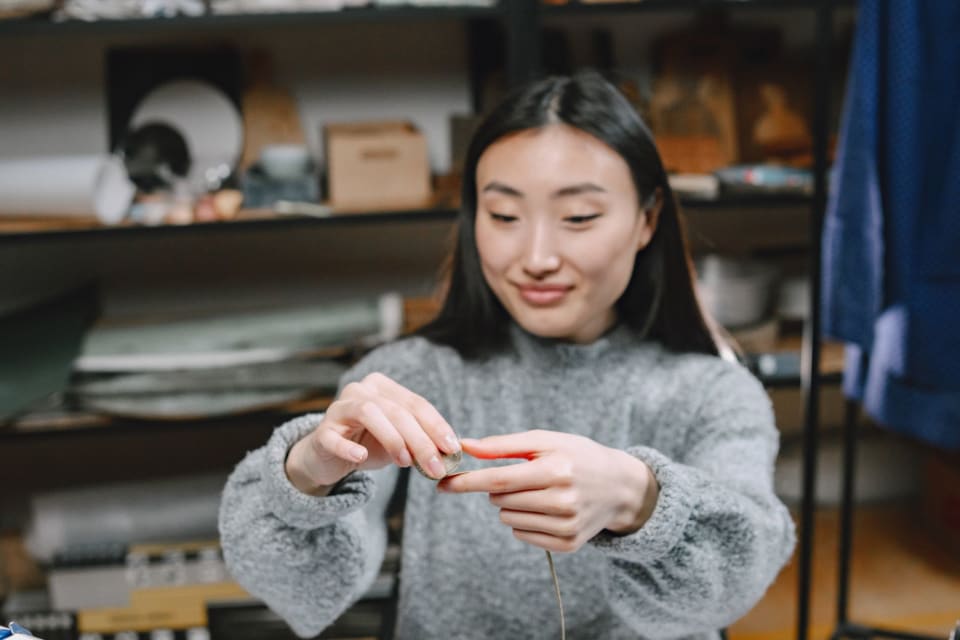
Shirring
Shirring is a technique in which fabric is gathered into even parallel rows of small folds using several rows of stitching (often with an elastic thread in the bobbin), giving the cloth a gathered relief and elasticity. Unlike decorative smocking, shirring is simpler and more functional: it lets a piece hug the figure nicely and stretch without fastenings. It is widely used in the upper part of dresses and tops (creating an 'elastic' effect), on cuffs, the waist and the back. Shirring adds soft volume, comfort and effortless femininity to clothing, so it is especially popular in summer dresses and sundresses. It is simple at its basis but requires evenness of the rows. Shirring is a technique of soft, elastic gathering of fabric, in which parallel rows of folds combine a comfortable fit, light volume and an effortlessly romantic look with no need for fastenings.
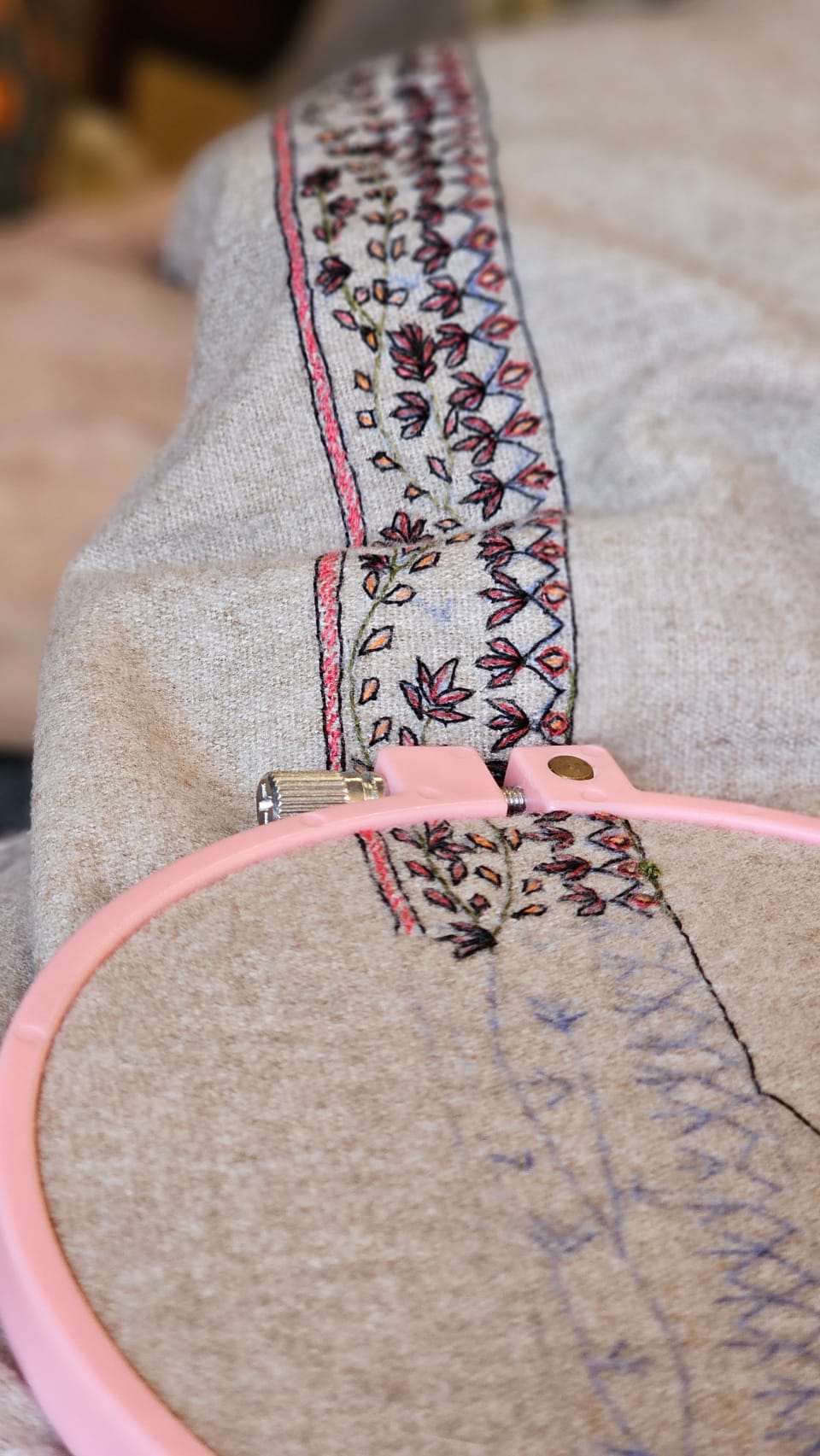
Stitching
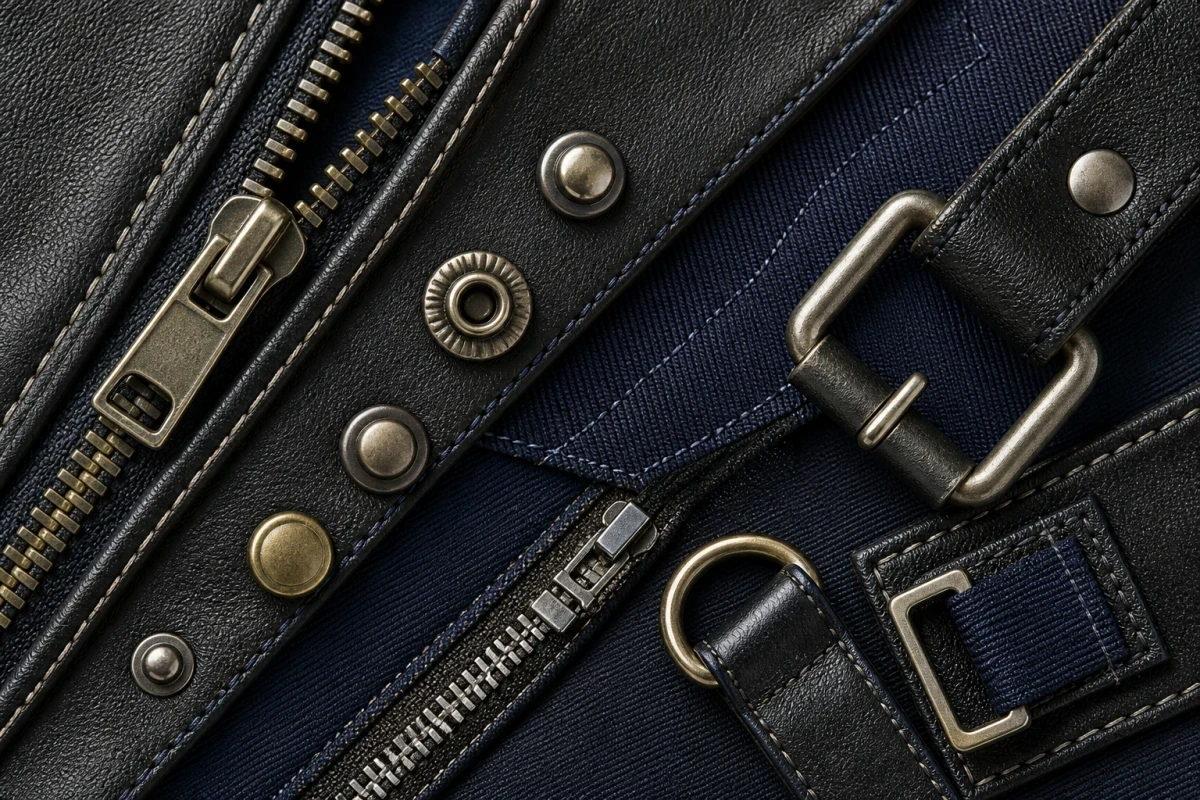
Stitching is a technique of decorative and functional sewing of fabric with rows of stitches that join layers or create a relief pattern on the surface. In the broader sense, stitching is the art of the seam itself: the evenness, rhythm, tension and colour of the threads, which can be invisible or, on the contrary, become the main accent (contrast topstitching on jeans, saddle stitches on leather). Decorative stitching emphasises the cut, holds the shape of details and adds a legible handmade quality to a piece. There are countless techniques — from a simple straight seam to complex figured compositions. Stitching is the detail in which a tailor's skill and neatness are seen most clearly.
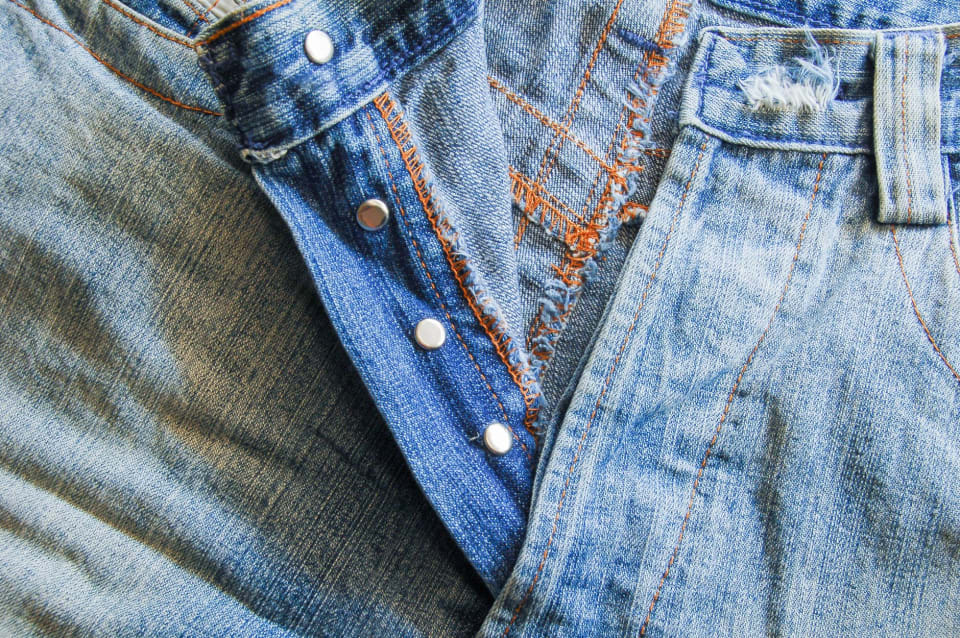
Topstitching
Topstitching is a visible, decorative machine stitch laid on the face side of a piece along seams, edges or details. Besides décor, it plays a practical role too: it secures seam allowances, makes an edge firmer and crisper, and emphasises the construction of a piece. The best-known example is the contrasting (often yellow or tan) stitch on jeans, which became their signature. Topstitching is done in one or several parallel lines, of the same or a contrasting colour and thread thickness. It requires evenness and precision, since every flaw shows. In fashion it is valued for its ability to give a piece an 'expensive', neatly finished look. Topstitching is a technique of the visible seam as décor, in which an even, precise line of stitching combines the function of securing with aesthetics, emphasising the cut and adding neat, artisan finish to a piece.
Other Fashion Dimensions