

The Architecture of Silhouette9 silhouettes
Silhouettes
The lines that shape an outfit — from A-line to oversize.

Blazer
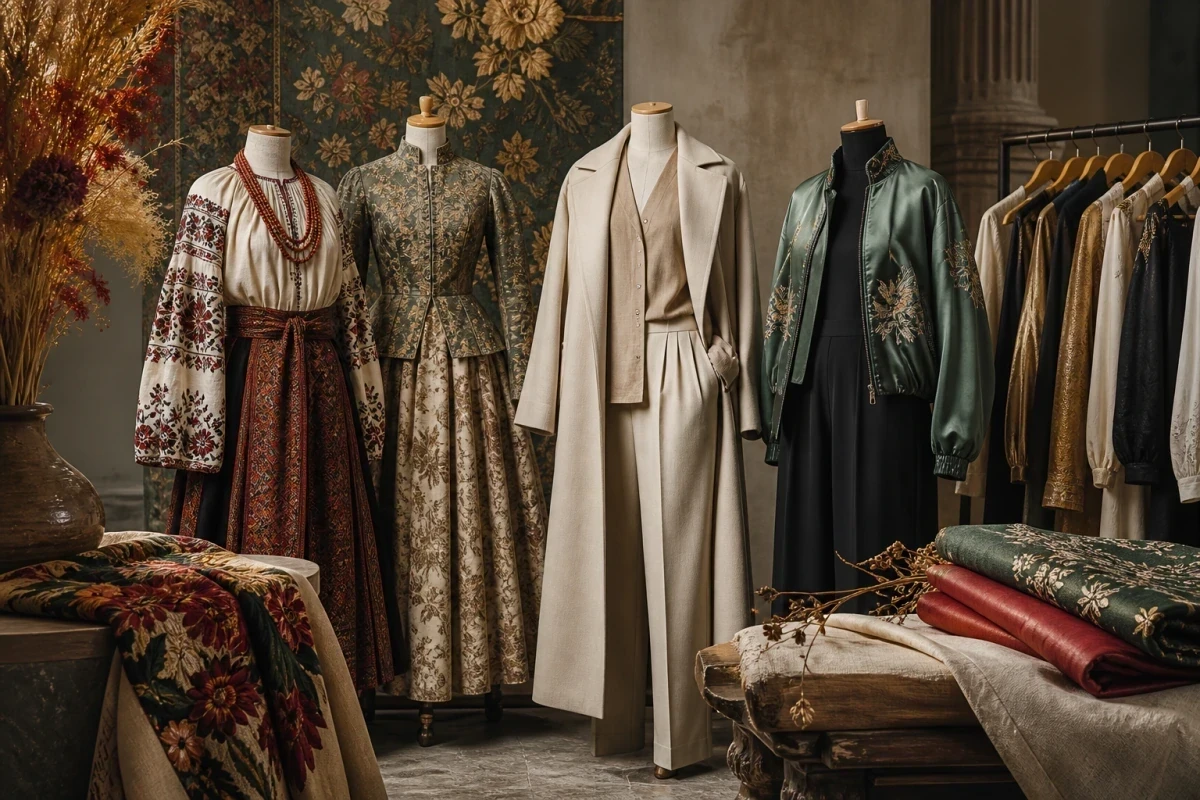
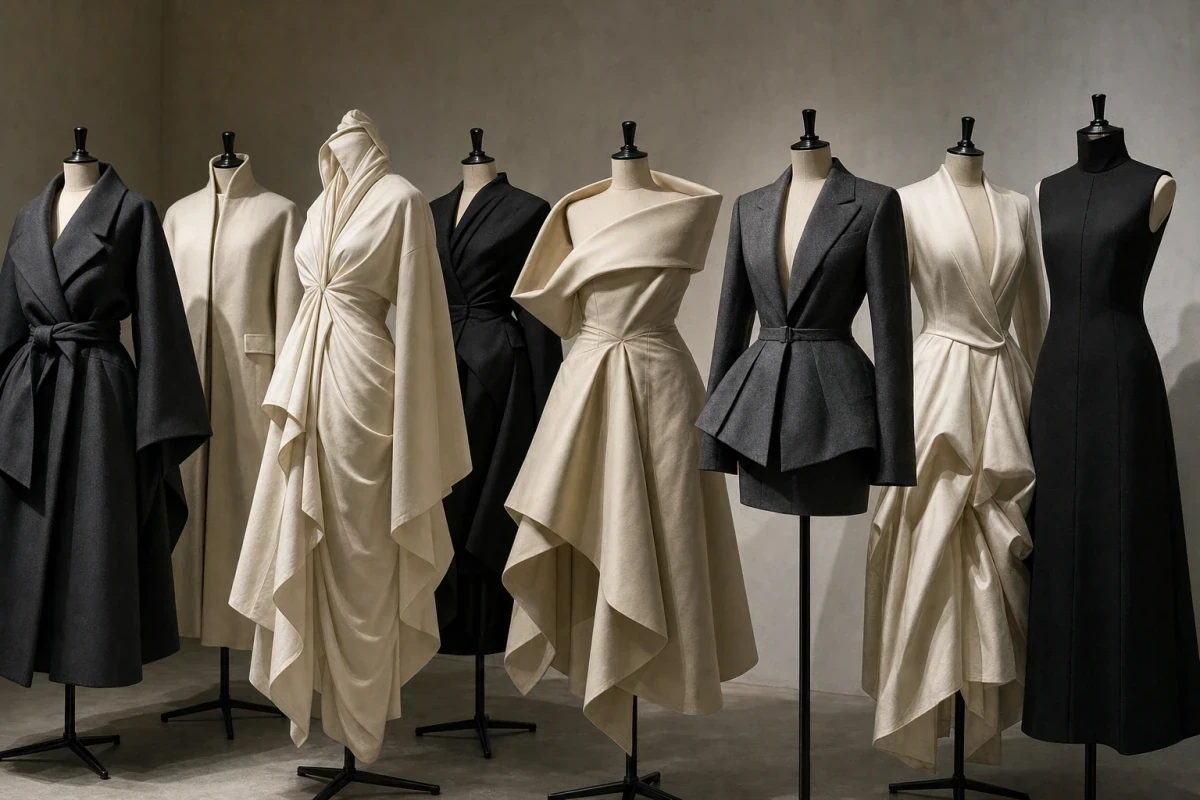
The blazer is a structured jacket with defined shoulders and lapels that has given its name to an entire silhouette — sharp, businesslike, with a pronounced shoulder line and a shaped torso. Historically the blazer descends from uniform and sporting dress (19th-century club and rowing jackets) and later became a cornerstone of women's and men's business wardrobes. The blazer silhouette lends the figure structure and authority, 'pulls a look together' and works equally well with trousers, a skirt or a dress. Its strength is versatility: the same cut can be formal or, with the right details, effortlessly fashionable.

Cape
The cape is a sleeveless outer garment that falls freely from the shoulders, wrapping the body in a single sheet of cloth; the arms stay beneath the fabric or emerge through slits. It is one of humanity's oldest silhouettes — from antique cloaks to medieval mantles. The cape creates a dramatic, monumental outline, lending a look theatricality and mystery. In contemporary fashion it appears as a cape-coat, a pelerine or a wrap and is prized for impact and freedom of movement. Its challenge: the lack of sleeves limits function, so the cape is more about image and mood than purely practical warmth.
Cardigan
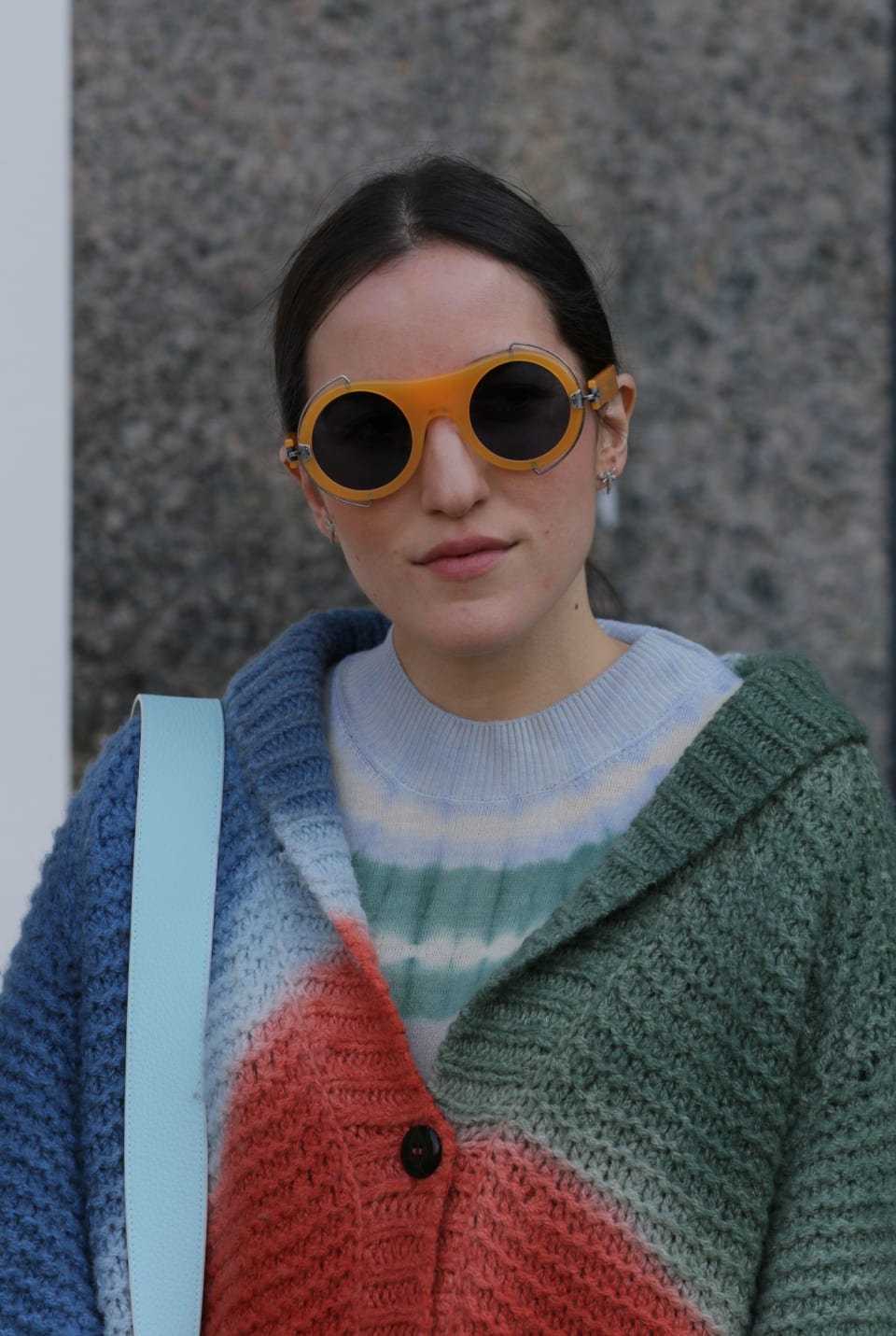
The cardigan is a knitted jacket that fastens at the front (with buttons, a zip or open) and is named after the British Earl of Cardigan. Unlike a pullover, which is pulled over the head, the cardigan opens, so it easily regulates warmth and layers. Its silhouette is soft and relaxed — from short, fitted styles to long, voluminous oversize ones. It combines the comfort of knitwear with the logic of a jacket, easily completing both business and at-home looks. The cardigan is versatile in season and mood: a fine one suits a summer air-conditioned room, while a bulky woollen one keeps you warm in autumn.
Corset
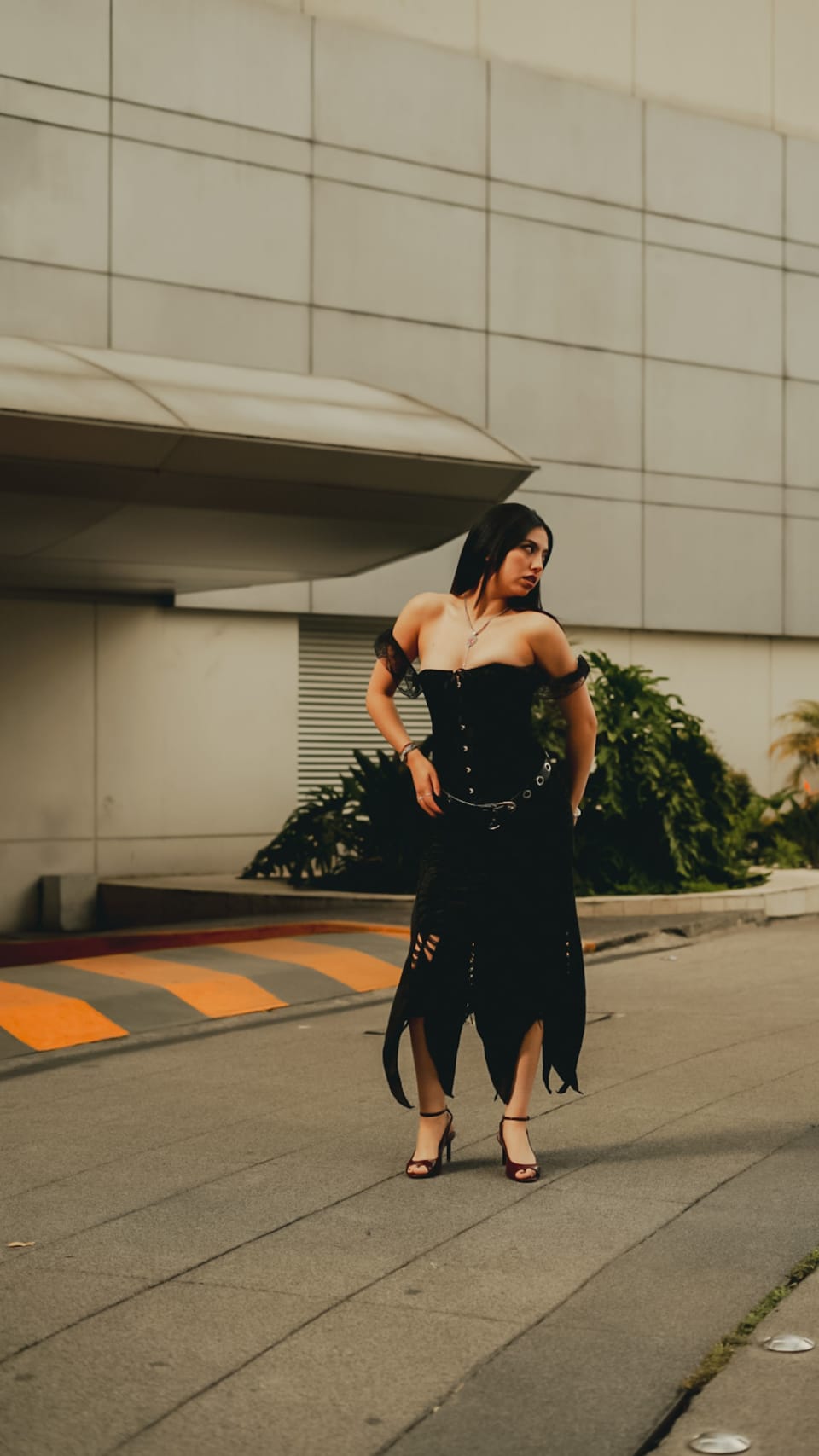
The corset is a rigid, close-fitting frame for the torso that shapes the waist and supports the bust, historically boned with whalebone or metal and laced. For centuries the corset was the foundation of the female silhouette, forming the 'hourglass' ideal, and at the same time an object of sharp criticism for constraining the body. In contemporary fashion it has been reborn: from hidden underwear it has become an outerwear piece in its own right — a corset top, a detail of a dress or an evening look. It is now worn deliberately, as a statement of strength and embodiment rather than constraint. The corset silhouette dramatically accentuates the waistline.

Kaftan
Kaftan is a long, loose robe-like garment (historically often buttoned down the front in the Middle East and the Ottoman Empire, while the modern resort kaftan is usually unfastened) that falls freely from the shoulders without hugging the figure. Historically the kaftan is one of the oldest forms of dress, widespread in the Middle East, North Africa, Turkey and Asia, and has its variations in each culture. In modern fashion the kaftan is associated above all with resort, bohemian and evening style: it is made of light, flowing fabrics, often with rich ornament, embroidery or print. The kaftan gives maximum comfort, freedom of movement and coolness in the heat, and at the same time sounds luxurious and exotic. It is worn on the beach, as a house robe or as smart evening dress. Kaftan is a silhouette of free, exotic elegance, in which a voluminous, flowing cut combines comfort, luxury and ethnic charm in a relaxed, resort-festive look.
Oversize
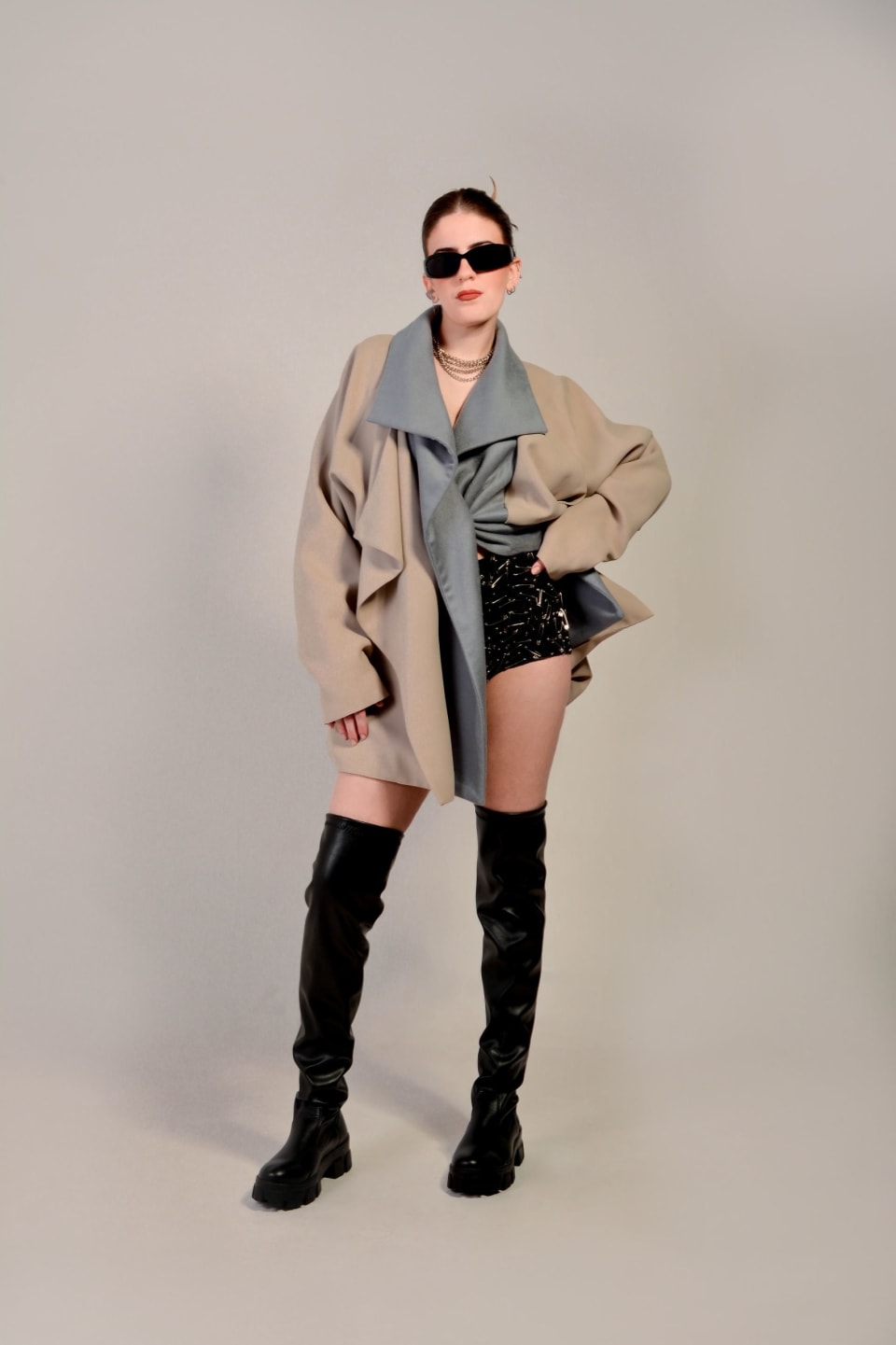
Oversize is a silhouette of deliberately enlarged, loose cut, in which clothing is intentionally larger than the figure: dropped shoulders, voluminous sleeves, a wide body. Unlike simply too-big clothing, oversize is a considered design device that creates a modern, relaxed and slightly androgynous look. It comes from streetwear and unisex fashion, gives maximum comfort and freedom of movement and plays on the contrast between the volume and the body beneath it. Oversize needs balance: to avoid 'getting lost' in the fabric, a voluminous top is paired with a narrower bottom (or vice versa) or one open zone is emphasised — ankles, wrists, neck.
Poncho
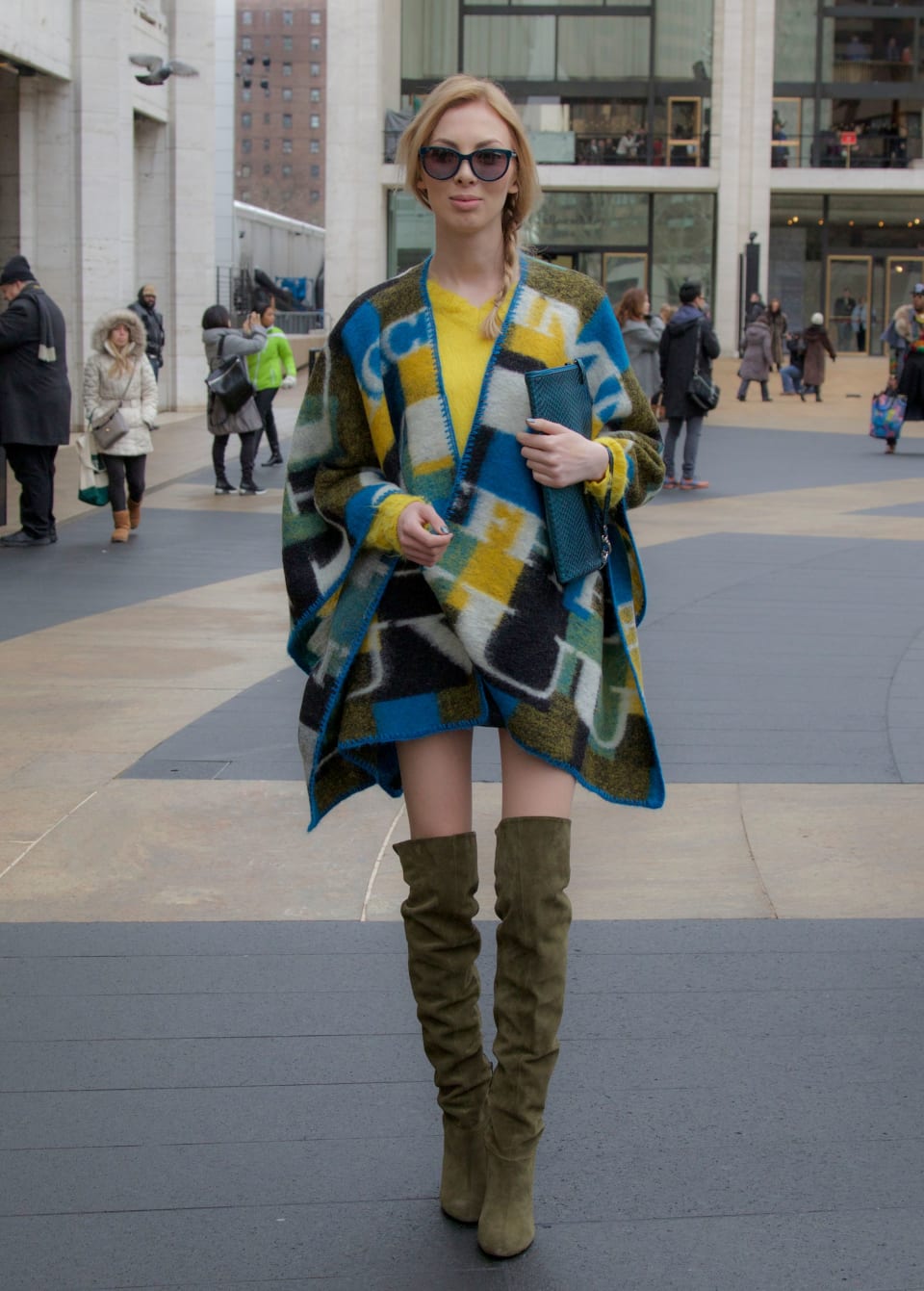
The poncho is a simple outer garment in the form of a single sheet of cloth with a slit for the head in the middle, thrown loosely over the shoulders. Its homeland is Latin America, where the poncho was for millennia the traditional dress of the indigenous peoples of the Andes. The poncho silhouette is utterly simple yet expressive: it wraps the body in soft volume, gives the arms freedom and warmth without fastenings or seams. In contemporary fashion the poncho is prized for its ethnic, bohemian character and mid-season practicality. It is made of wool, knit or cloth; the key in styling is to balance the volume of the top with a narrower bottom.

Trench
The trench is a classic double-breasted belted coat with epaulettes, a storm flap (yoke) and a notched collar, whose silhouette has become one of the most recognisable in fashion. It was born as military dress: British officers wore trench coats in the trenches of the First World War (hence the name), and the firms Burberry and Aquascutum made it a legend. From the battlefield the trench passed into the civilian wardrobe, keeping its severe functional details. Its silhouette is restrained, elegant and timeless, equally fitting in the rain and as a style accent. The trench long ago transcended season to become a symbol of time-defying classics.
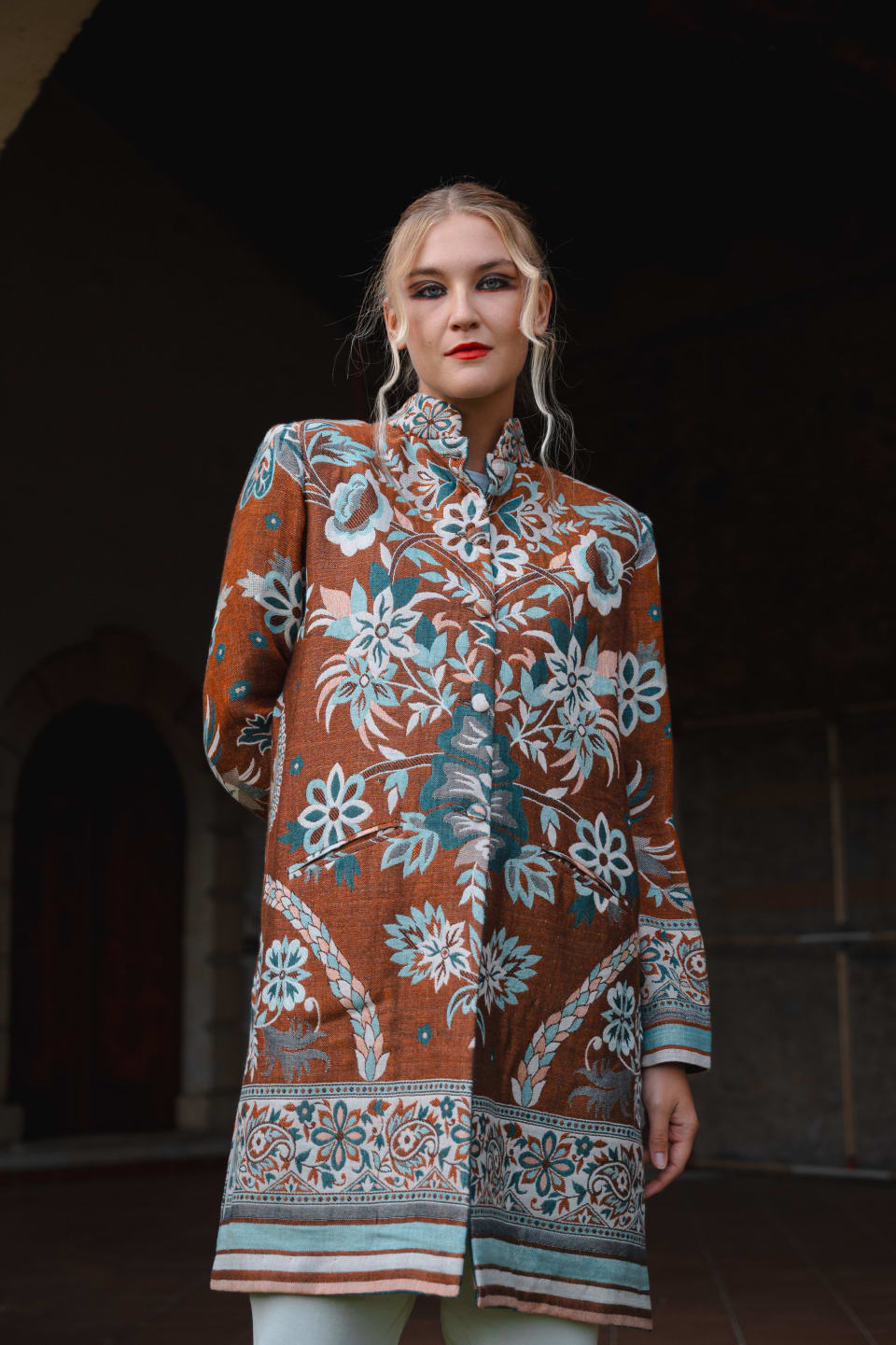
Tunic
The tunic is a long, loose shirt or blouse that descends below the hips, often to mid-thigh or lower, worn over trousers, leggings or as a short dress. Its silhouette descends from antiquity (the Roman and Greek tunic) and Eastern dress, and in every culture it signified simplicity, comfort and modest coverage of the body. The modern tunic combines ease with elegance: it conceals the hip line and stomach, gives freedom of movement and easily creates a restrained, somewhat ethnic or resort look. The tunic is made of light, fluid fabrics; the key in styling is to balance its length and volume with a narrower bottom.
Other Fashion Dimensions