

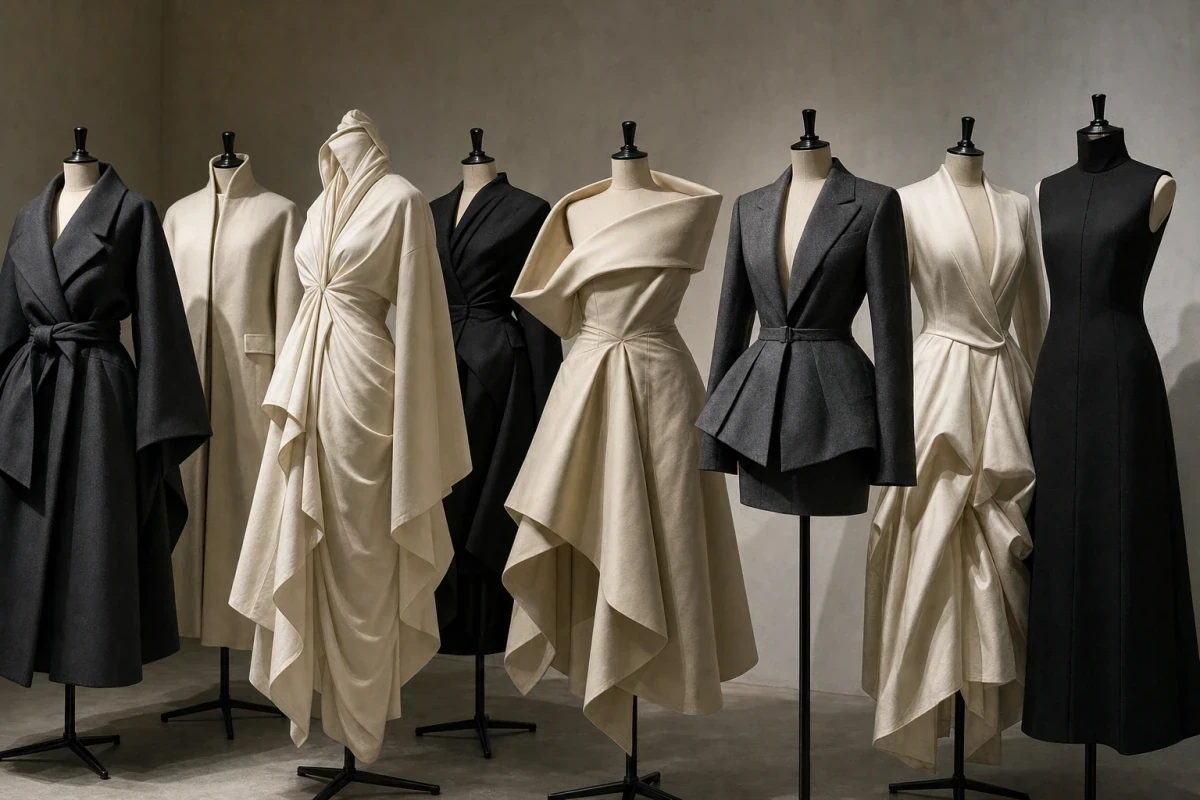
The Architecture of Silhouette11 silhouettes
Silhouettes
The lines that shape an outfit — from A-line to oversize.

Bardot
Bardot is a kind of off-shoulder cut named after the French actress Brigitte Bardot, who made it a symbol of effortless, sensual elegance in the 1960s. In the Bardot silhouette a wide neckline drops from both shoulders, baring them, and often also has a short sleeve wrapping the arm below the shoulder. Unlike the symmetrical off-shoulder, Bardot is associated precisely with retro chic and French coquetry. Such a neckline accentuates the shoulders and décolletage, adding femininity and distinction to a look. Bardot is used in dresses, blouses and tops, especially in evening and summer dress. It suits those who wish to emphasise the shoulders and collarbones. Bardot is a silhouette of retro femininity and French charm, in which bared shoulders create an effect of effortless, seductive and slightly nostalgic elegance.

Boat neck
Boat neck is a wide, shallow neckline that runs in an almost horizontal line from shoulder to shoulder, slightly baring the collarbones and the base of the neck. The shape resembles the outline of a boat, hence the name (in French, bateau). Such a neckline elegantly accentuates the line of the shoulders and collarbones, visually widens the top of the figure and balances wide hips, so it is considered very refined and feminine. Boat neck is a classic of French chic, inseparably tied to striped Breton tops and the aesthetic of ballet. It is widely used in knitwear, blouses, dresses and tops. It adds restrained, aristocratic elegance to a look without excess frankness. Boat neck is a silhouette of refined, 'French' elegance, in which a wide horizontal neckline emphasises the shoulders and collarbones, creating an effect of restrained, noble and timeless femininity.

Cowl neck
Cowl neck is a soft, draped neckline in which the fabric falls in free, rounded folds at the front (and sometimes at the back too). The effect is achieved thanks to a bias cut that lets the material stream smoothly and lie in soft waves. Unlike rigid, structured collars, the cowl gives a look softness, elegance and movement. It is widely used in knitted sweaters, blouses, dresses and eveningwear. The cowl neck is especially striking in flowing fabrics (jersey, silk, knit) that hold the drape well. It adds refinement to a look and hides the décolletage zone with soft volume. Cowl neck is a silhouette of soft, draped elegance, in which the free folds of fabric at the neck create a smooth, sensual line, giving a look effortless luxury and refined movement.
Dolman
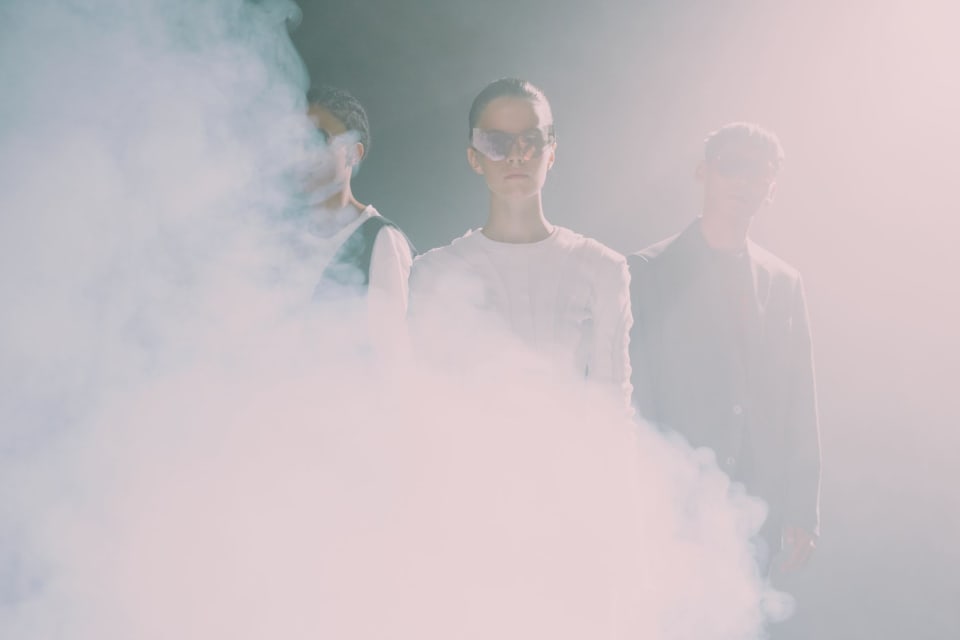
Dolman is a type of sleeve that is very wide and deep at the armhole (almost merging with the body of the piece) and gradually narrows toward the wrist, creating the characteristic 'bat-wing' shape (hence its other name, the batwing sleeve). Such a sleeve is cut in one with the body, without a separate armhole, so it gives freedom of movement and a soft, draped silhouette. The name comes from the dolman, a Hungarian hussar garment; in the 19th century the name was also given to a women's mantle cut in one piece with its sleeves. The word itself is of Turkish origin. The dolman sleeve gives clothing — sweaters, blouses, dresses, coats — a voluminous, relaxed yet elegant look. It was especially popular in the 1980s and returns to fashion regularly. Dolman works well in contrast with a narrower bottom. Dolman is a silhouette of soft, draped elegance, in which a voluminous 'wing' sleeve creates a smooth, loose line and adds effortless, retrospective refinement to a look.
Halter
Halter is a cut of the top in which straps or a single piece of fabric wrap around the back of the neck, leaving the shoulders and arms bare and usually the upper back. The name comes from the English 'halter'. This silhouette accentuates the line of the shoulders, collarbones and the open back, creating a refined, sensual look while supporting the bust with no need for shoulder straps. Halter is widely used in summer and evening dresses, tops, swimwear and jumpsuits. The style icon is Marilyn Monroe's white halter dress. Such a cut suits those confident in the line of their shoulders and back, and holds well thanks to the support on the neck. Halter is a silhouette of open, elegant sensuality, in which bare shoulders and back combined with support on the neck create an effect of refined, summer-evening femininity.
Off-shoulder
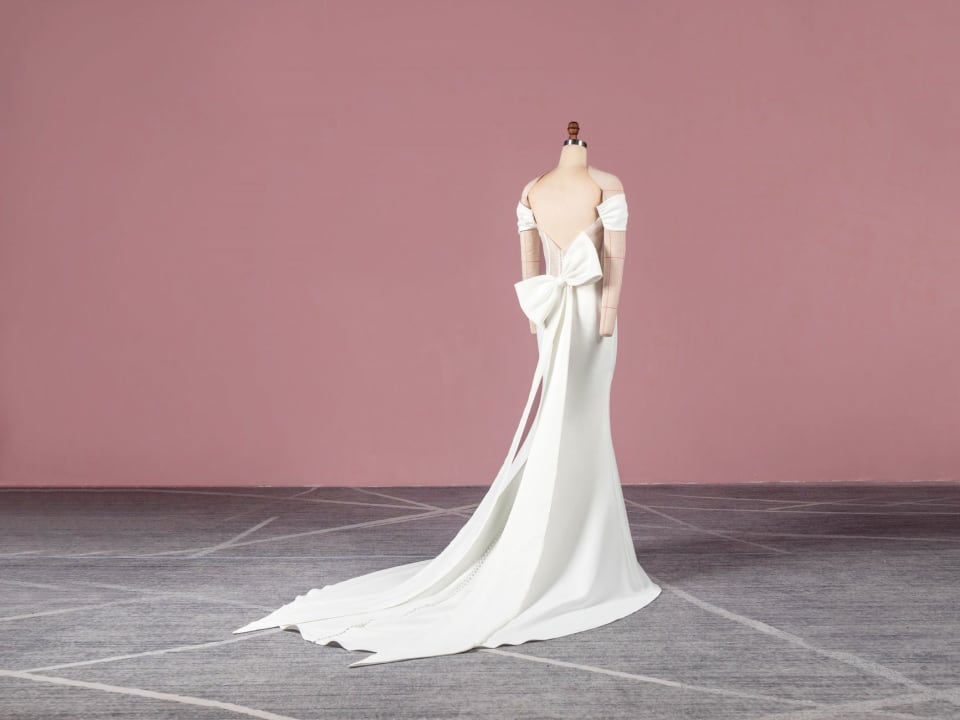
Off-shoulder is a cut in which the neckline drops below the shoulders, baring them completely, and often the top of the bust too. The neckline may have sleeves that begin below the shoulder, or none, with a continuous line of fabric around. This silhouette accentuates the tender line of the shoulders and collarbones, creating a romantic, feminine and slightly alluring look. Off-shoulder is widely used in summer dresses, blouses, tops and eveningwear, and the aesthetic of this cut is closely tied to the romantic and folk styles (recall peasant blouses). The silhouette now returns, now fades in fashion in waves. It suits almost all figure types and adds lightness to a look. Off-shoulder is a silhouette of romantic femininity, in which the bared line of the shoulders creates an effect of tender, airy and slightly seductive elegance.
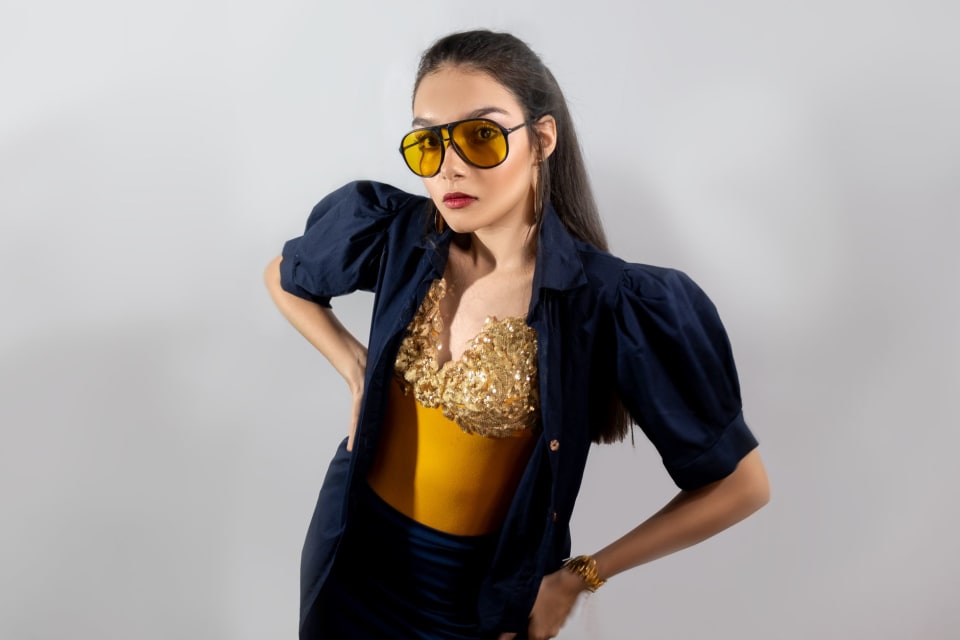
Puff sleeve
Puff sleeve is a voluminous sleeve gathered into full ruffles at the shoulder (and sometimes at the cuff too), giving it a rounded, 'inflated' shape resembling a lantern. This detail instantly adds romance, femininity and a note of vintage charm to a look. Historically full sleeves were a mark of many eras — from the Renaissance to the Victorian and Edwardian ages — and 20th-century fashion brought them back in waves. The puff sleeve underwent a particular revival in the late 2010s, becoming one of the chief marks of the romantic and 'cottagecore' style. It works well in contrast with a fitted bodice or a minimalist bottom. Puff sleeve is a silhouette of romantic, slightly theatrical femininity, in which the volume and gathers at the shoulder create an effect of tender, historically inspired yet fashionable elegance.
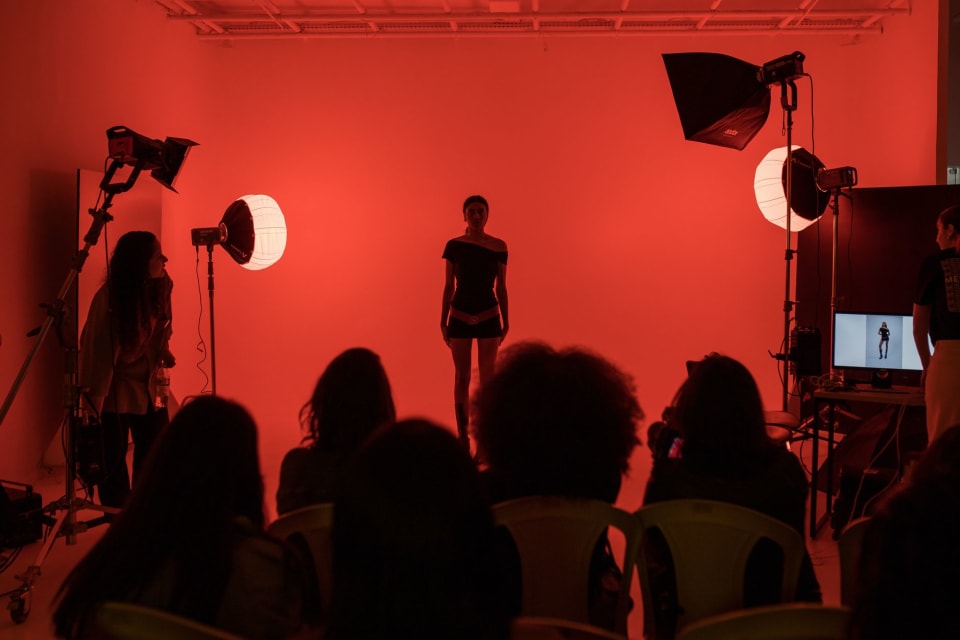
Raglan
Raglan is a type of sleeve cut together with the shoulder part of the garment in one continuous piece, so the seam runs diagonally from the armhole to the neckline rather than along the shoulder line. Such a cut makes the shoulder line soft and rounded, gives greater freedom of movement and comfort, so raglan is widely used in sports, everyday and outerwear: sweatshirts, coats, raincoats, sweaters. The name comes from the British Lord Raglan, for whom, by legend, this sleeve was devised after an injury. Raglan is often emphasised by a contrasting sleeve colour (the classic of baseball tees). It suits almost everyone and adds ease to a look. Raglan is a silhouette of comfortable, sporty elegance, in which a diagonal sleeve cut creates a soft shoulder line, combining freedom of movement with a neat, slightly retro and practical look.
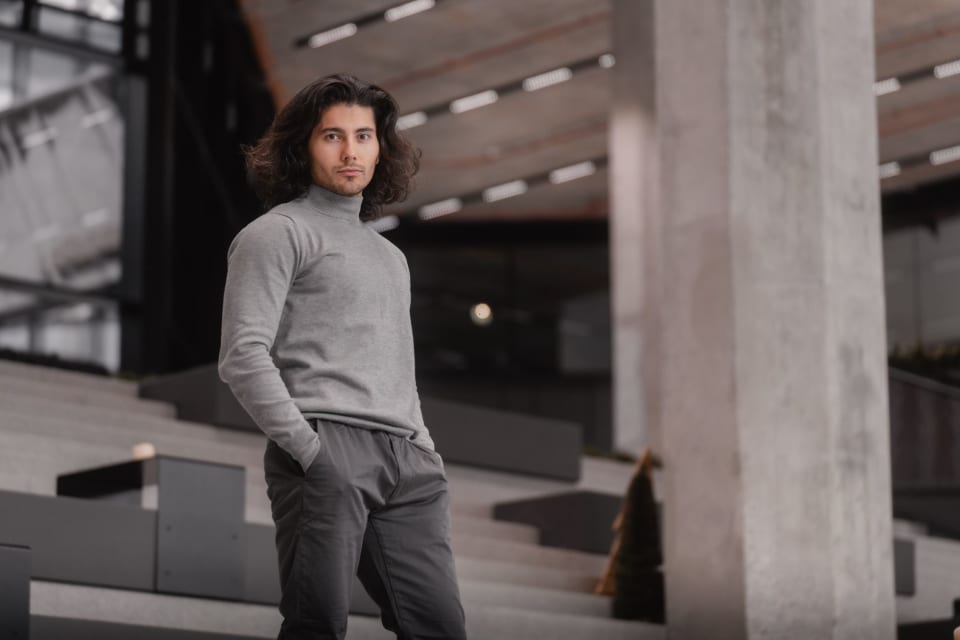
Turtleneck
Turtleneck (polo neck) is a garment or neckline cut with a high, closely fitting collar that wraps the neck and is often folded double. Such a collar gives warmth, protects from cold and creates a clean, spare silhouette. The turtleneck became an icon of the minimalist, intellectual style of the 20th century — worn by artists, philosophers and film stars (recall Audrey Hepburn, Steve Jobs), so it is associated with restrained confidence and intellect. A classic turtleneck of fine knit is elegant and versatile, while voluminous knitted ones are warm and cosy. It is worn both on its own and as a layer under a shirt or jacket. Turtleneck is a silhouette of restrained, 'intellectual' elegance, in which a high collar creates a clean, elongated line of the neck, giving a look warmth, concision and timeless, confident refinement.
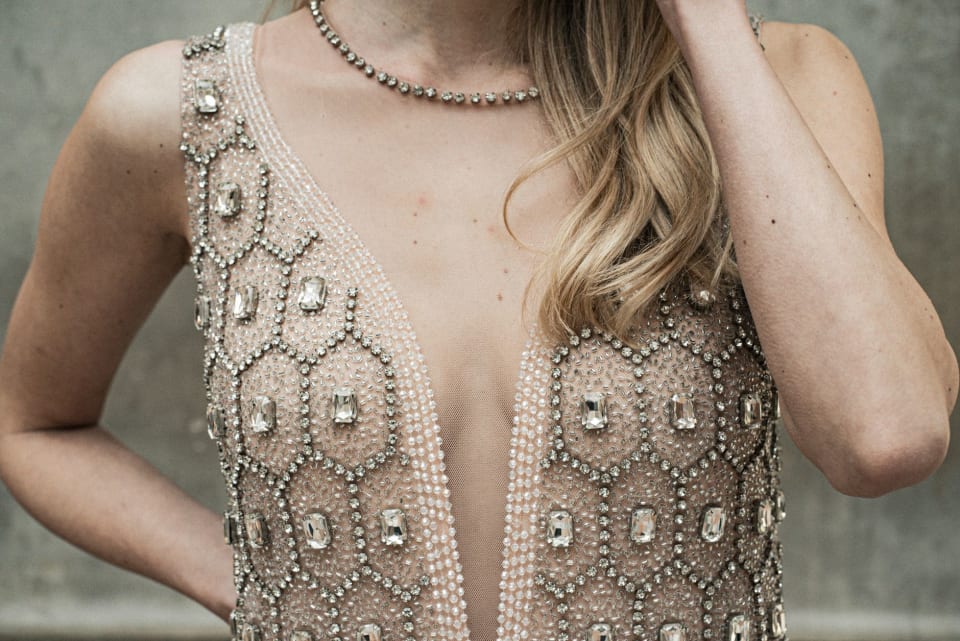
V-neck
V-neck is a neckline in the shape of the letter V, descending in a wedge, baring the neck and part of the décolletage. It is one of the most versatile and beloved necklines: it visually lengthens the neck, makes the face slimmer and the whole figure elongated and harmonious, so it suits almost all body types. The depth of the neckline may vary — from modest to deep and sensual. V-neck is used in sweaters, blouses, dresses, T-shirts, cardigans and jackets, in both women's and men's clothing. It adds elegance and a light openness to a look. It is one of the classic, timeless necklines of the wardrobe. V-neck is a silhouette of versatile, slim elegance, in which a wedge-shaped neckline lengthens the line of the neck and harmonises the proportions, creating a refined, balanced and invariably appropriate look.
Other Fashion Dimensions