

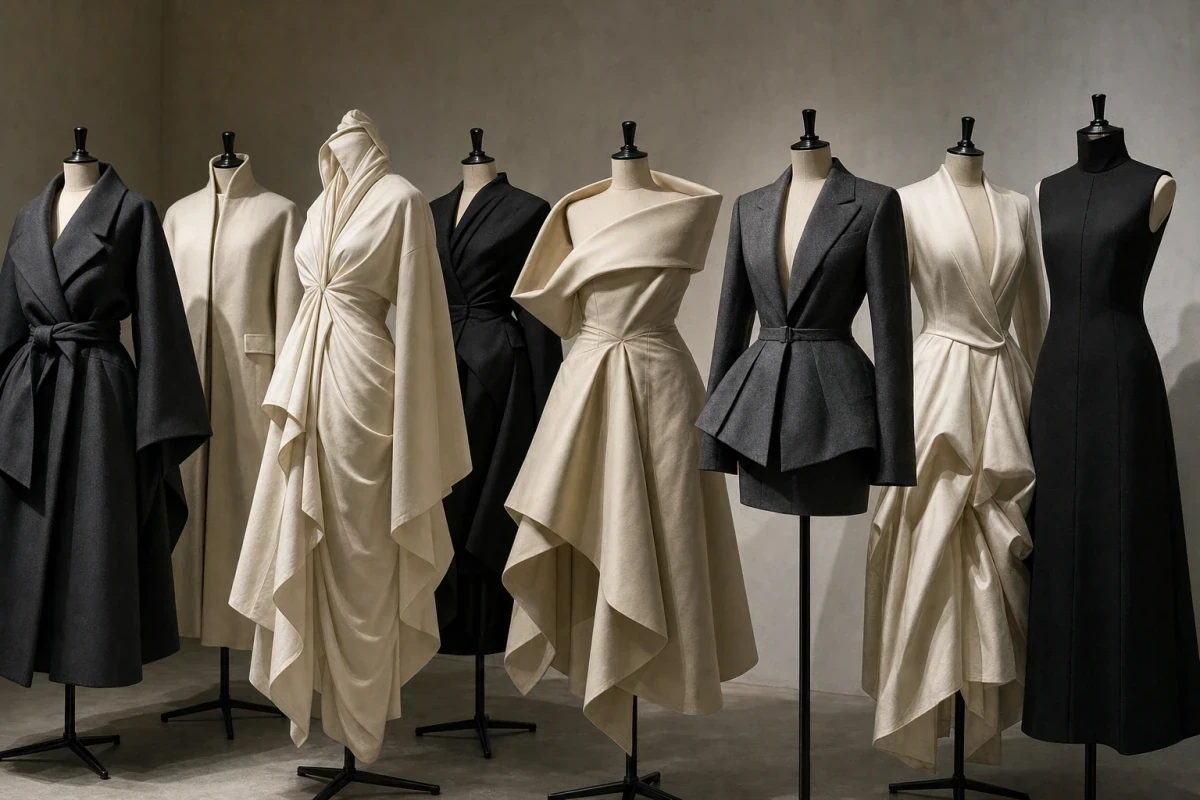
The Architecture of Silhouette24 silhouettes
Silhouettes
The lines that shape an outfit — from A-line to oversize.
A-line
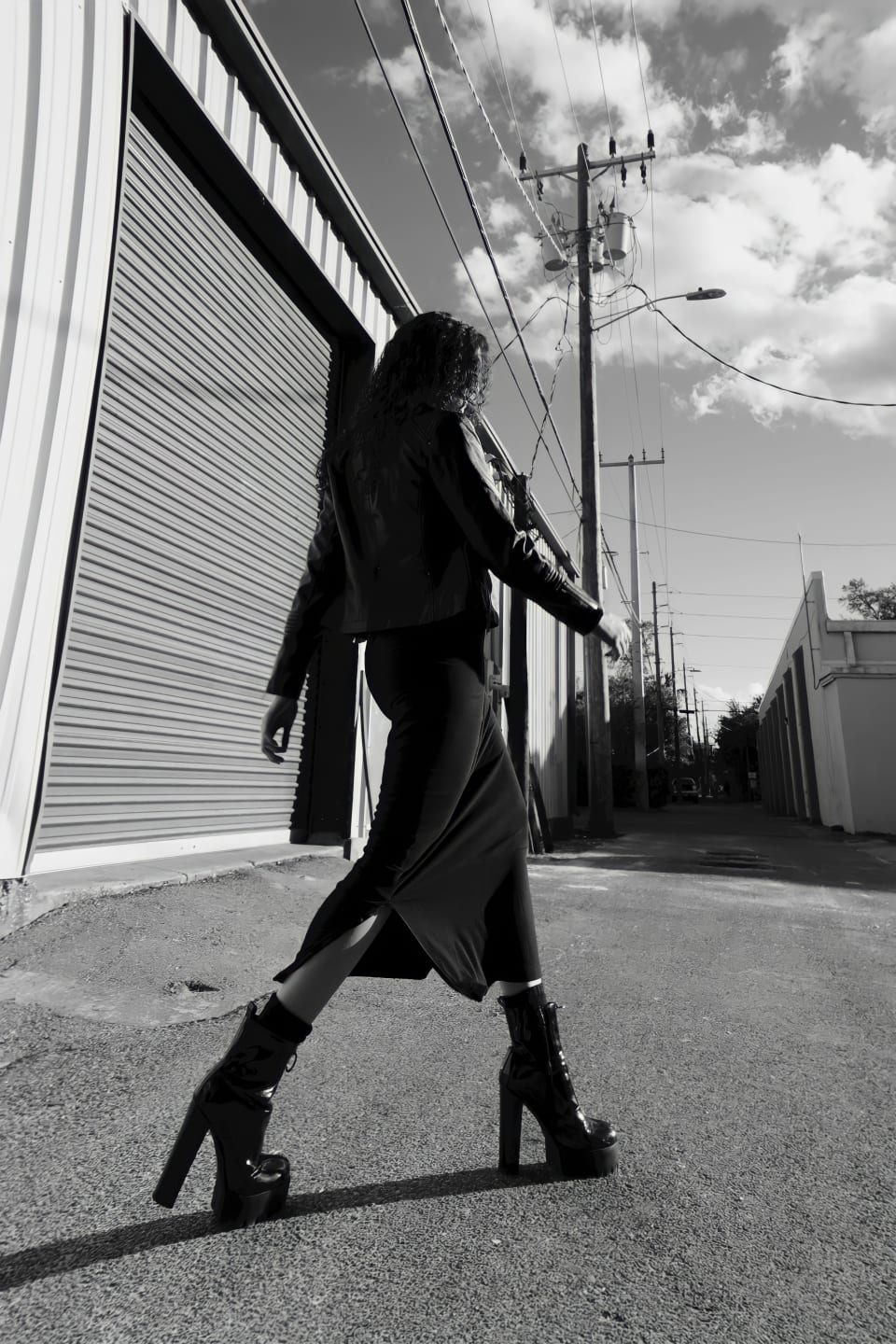
The A-line is a garment shape that fits closely at the top (shoulders, bust or waist) and widens smoothly toward the hem, tracing the outline of a capital letter A. The term was introduced by couturier Christian Dior in his Spring 1955 collection as a development of his New Look. The A-line is versatile and remarkably flattering: it skims the hips, adds lightness and suits almost every body type. It is used in dresses, skirts and coats. Thanks to its balance between a restrained top and a free hem, the A-line remains one of the most classic and popular cuts in the history of fashion.
Ball gown
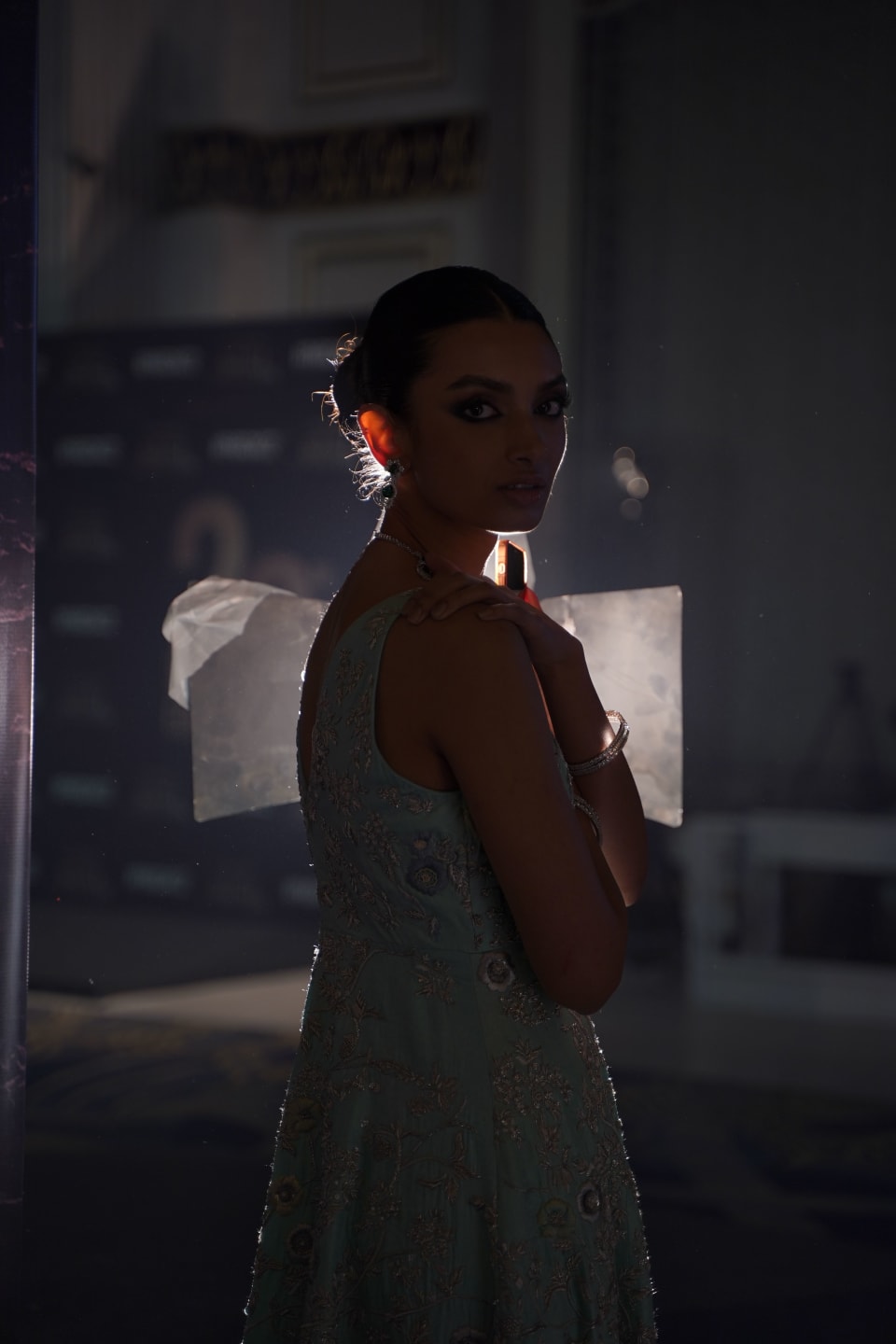
The ball gown is the most ceremonial and dramatic silhouette in fashion: a fitted bodice flows into a full, voluminous floor-length skirt, often over petticoats, crinolines or a frame. It is the silhouette of grand occasions — balls, weddings, opera premieres — designed to make an impression and to accentuate a slim waist by contrast with the wide hem. Historically its volume was held on a crinoline or panniers, today on layers of tulle or organza. The ball gown demands a great deal of fabric, skilful cutting and room to move; it is rarely practical, but it unfailingly creates a sense of celebration and fairy tale.
Balloon
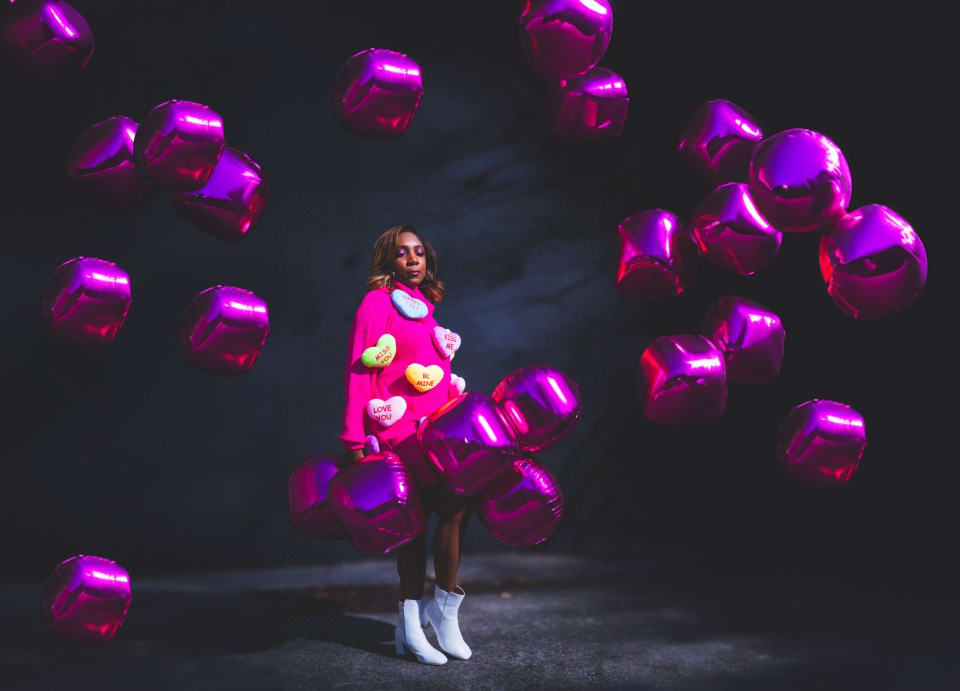
Balloon is a voluminous silhouette with a characteristic rounded, 'inflated' shape that widens downward and gathers at the edge, creating the effect of a balloon. This device is used in skirts (the balloon skirt), dresses, sleeves (the balloon sleeve) and even trousers. The volume is achieved through gathers, a lining or an inner hem that draws in the bottom of the piece. The balloon silhouette is playful, dramatic and attention-grabbing, adding architectural quality and theatricality to a look. It now disappears, now returns vividly to the runways when fashion is ruled by a love of volume and form. Balloon works well on contrast: a voluminous top or bottom is balanced by a fitted opposite. It is a silhouette of bold statement, in which volume and roundness of form turn clothing into a sculpture that plays with the space around the body.
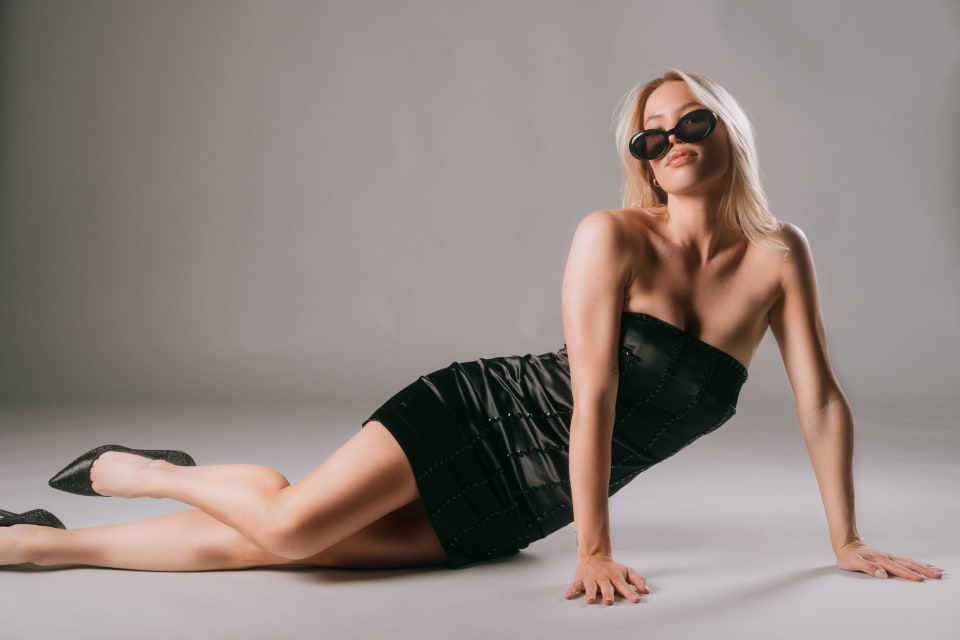
Bodycon
Bodycon is a tightly fitting silhouette that follows the contours of the body, emphasising every curve of the figure. The name comes from the English 'body-conscious'. This effect is achieved thanks to elastic, stretchy fabrics (with added elastane) and a minimalist cut almost free of extra detail. Bodycon dresses, skirts and tops create an expressive, sensual and confident look, so they are often chosen for evening outings. The silhouette gained particular popularity in the 1980s and 1990s and has returned to fashion regularly since. Bodycon requires a quality fit and a well-holding fabric to look elegant rather than vulgar. It is a silhouette of boldness and femininity, in which clothing becomes a second skin, emphasising the body's natural form with maximum frankness.
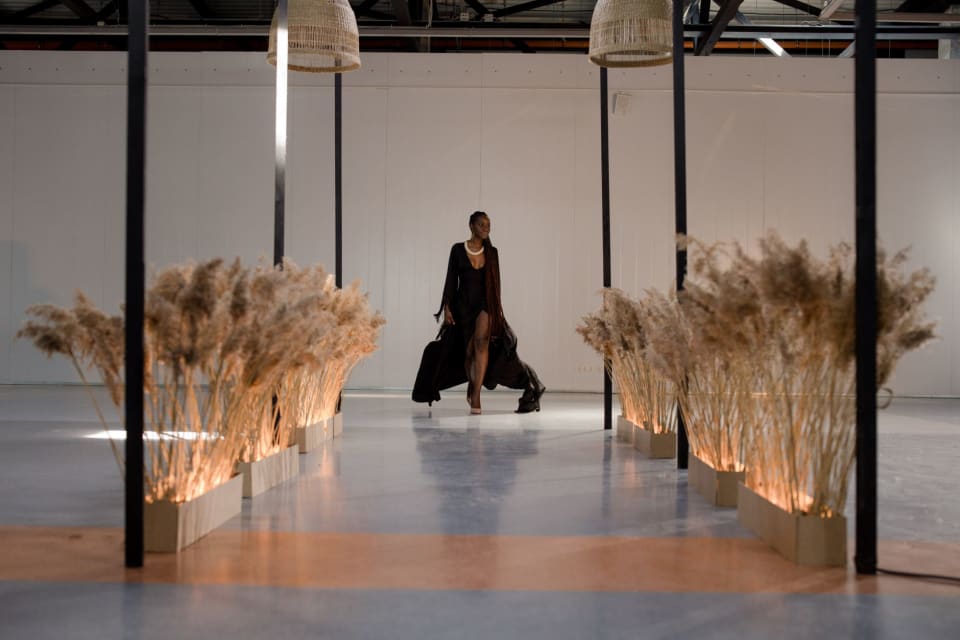
Cocoon
Cocoon is a voluminous, rounded silhouette that softly envelops the body, narrowing downward like a cocoon. The shoulders and back in this cut are voluminous, while the bottom is drawn in, so the figure ends up in a soft, protective 'nest' of fabric. Most often the cocoon silhouette is embodied in coats, jackets and capes, less often in dresses. It hides the forms, gives a feeling of comfort, warmth and cosiness, and also has a sculptural, modern character. Cocoon coats became favourites of minimalist and avant-garde fashion thanks to their clean, streamlined form without excess detail. This silhouette does not emphasise the figure but envelops it, placing the accent on the very architecture of the clothing. Cocoon is a silhouette of cosiness and sculptural elegance, in which a voluminous, streamlined form creates a feeling of protection and calm, modern refinement.
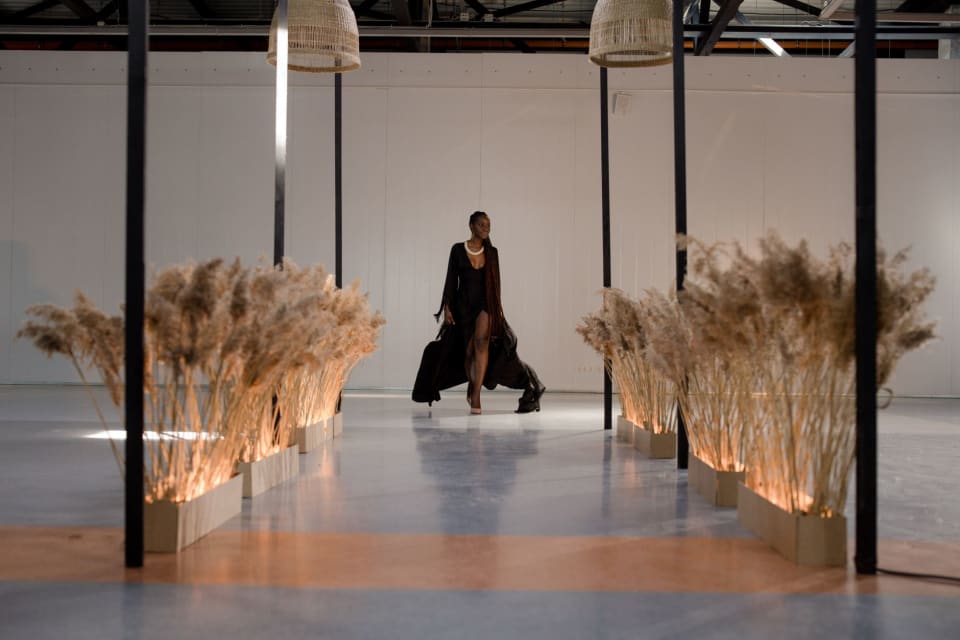
Column
Column is a long, straight and narrow silhouette that falls in an even vertical line from the shoulders to the floor, barely emphasising the waist. The name directly hints at an architectural column: clothing of this cut lengthens the figure, makes it slimmer and adds noble, static elegance to a look. The column silhouette is most often embodied in floor-length evening and bridal gowns, which thanks to the straight line look refined and restrained. It suits tall figures well and visually elongates short ones. Unlike full or fitted silhouettes, column bets on the purity of the line and noble simplicity. It is a silhouette of restrained, 'Greek' elegance, in which the vertical and the minimalism of form create an effect of refined, sculptural beauty worthy of an antique statue.
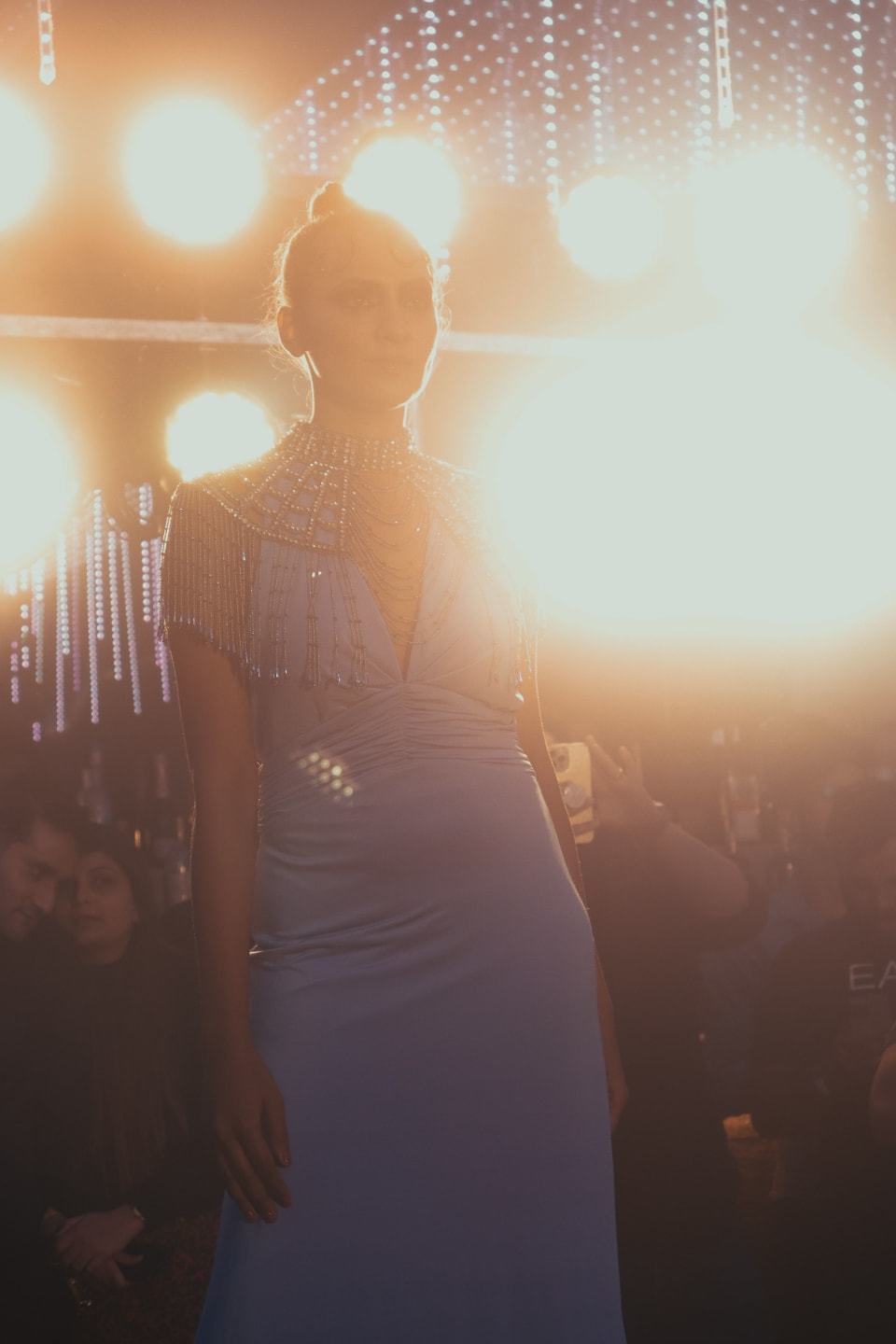
Empire
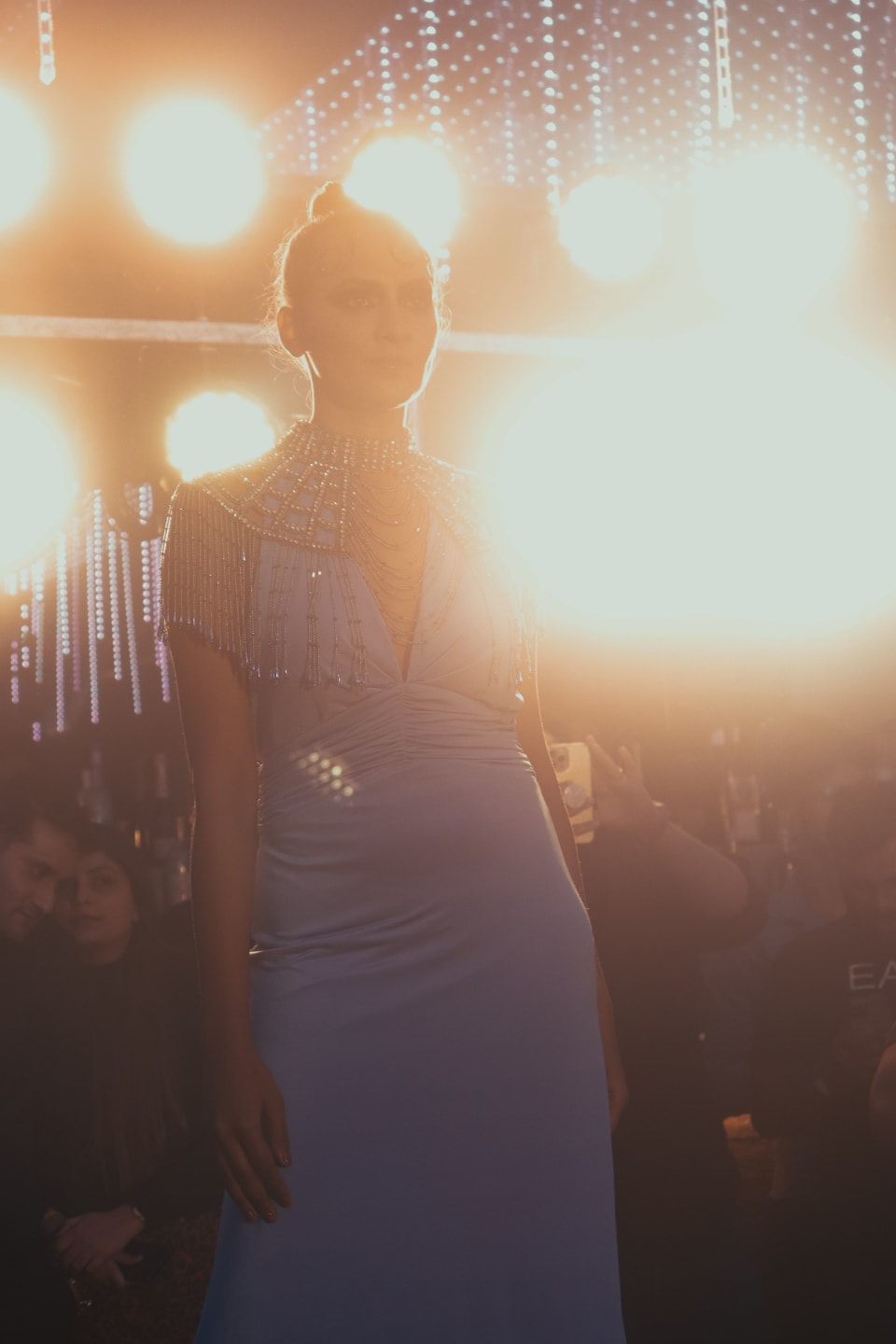
The empire is a silhouette with a very high waistline sitting just below the bust, from which the fabric falls freely in a straight or slightly flared line. It appeared in the 1790s as part of neoclassical fashion (the name refers to the First French Empire, 1804–1815, though the term itself was coined retrospectively in the early 20th century) under the influence of antique tunics and became a symbol of romantic, 'Grecian' simplicity. The empire visually lengthens the figure, conceals the waist and stomach and suits various body types, which is why it remains popular in evening, bridal and maternity dresses. It is one of the most elegant and romantic silhouettes in fashion.
Empire line
The empire line is the specific construction feature that defines the empire silhouette: the seam or transition from the fitted bodice to the free skirt sits immediately below the bust, not at the natural waist. The very placement of this line distinguishes empire dresses from other cuts. The raised line visually lengthens the legs, makes the silhouette light and slender and lets the fabric fall in soft vertical folds. The empire line is widely used in evening and bridalwear and maxi dresses whenever an effect of a refined, classically romantic posture and maximum comfort is wanted.
Fitted
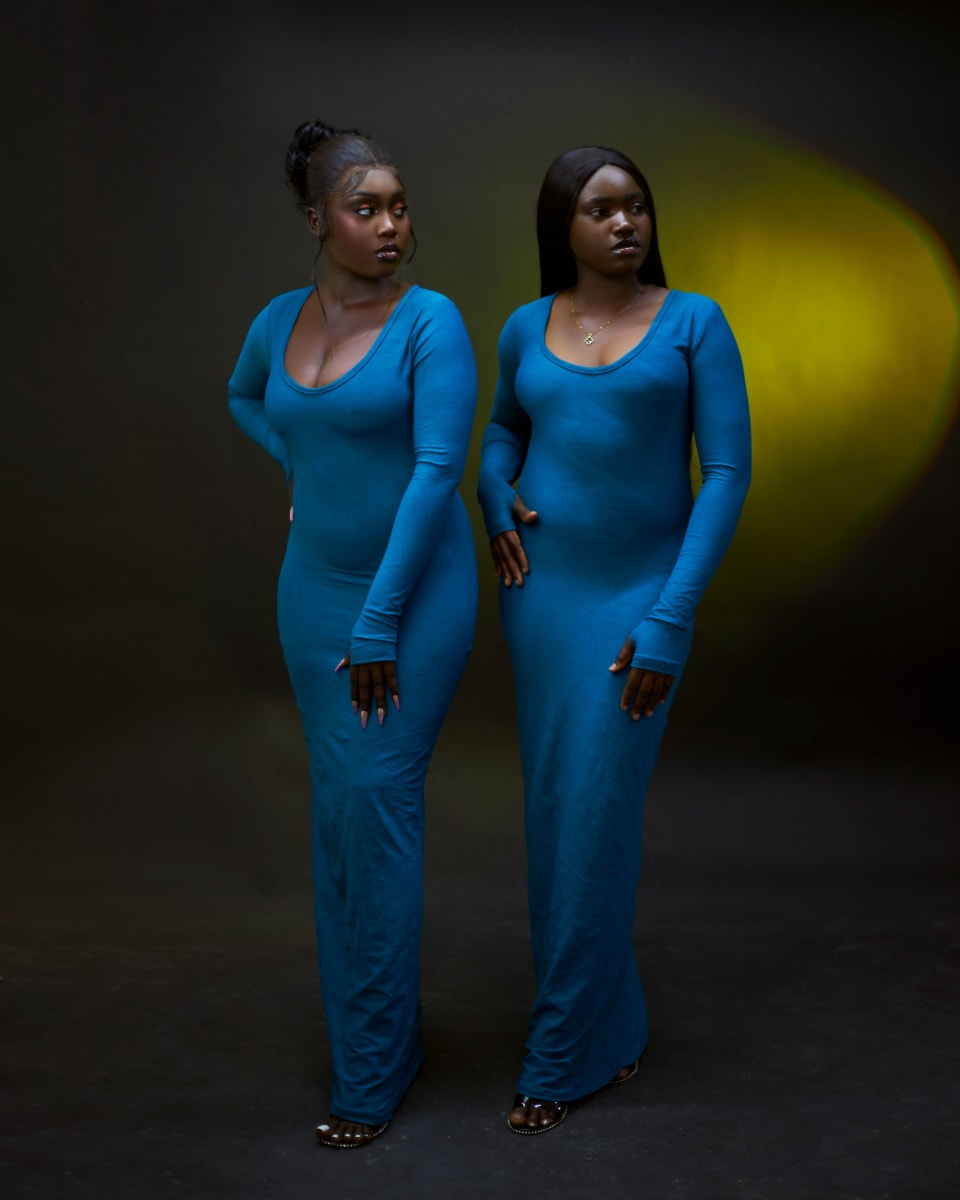
The fitted silhouette follows the natural contours of the body, clinging closely to the figure without excess volume. This cut is achieved with darts, seams, elastic fabrics or stretch knits. The fitted silhouette accentuates the lines of the figure — waist, hips, bust — and creates a sense of confidence and glamorous polish, which is why it is chosen for pencil evening dresses, bodysuits and sultry looks. At the same time it is the most demanding of cuts: every inaccuracy shows, the fabric must stretch and recover, and the fit must be impeccable. It is a silhouette in which a pattern-maker's skill is seen most clearly.
Flared
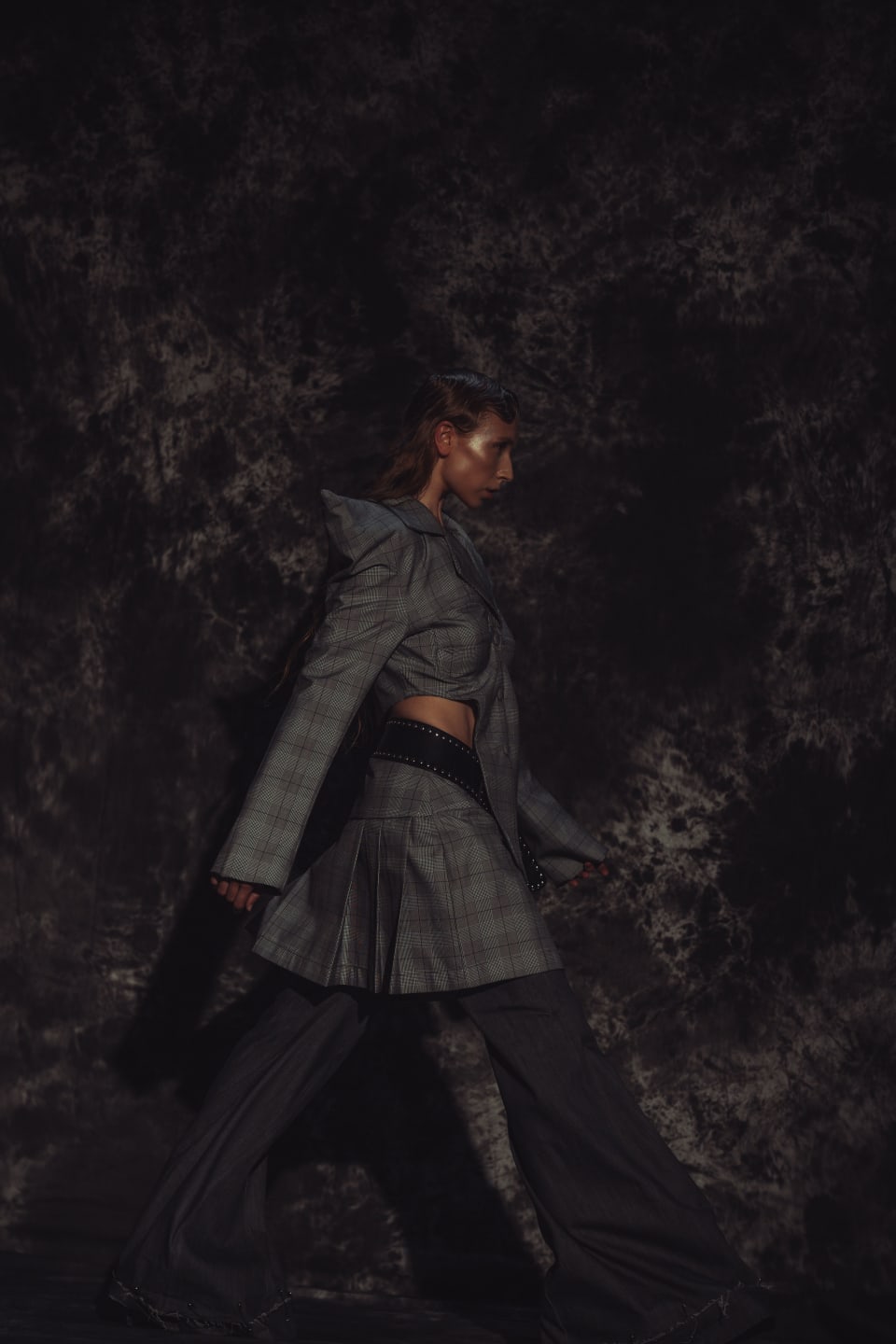
The flared silhouette is a shape that is narrow at the top and widens noticeably toward the hem, creating a bell or wave effect. Most often it refers to flared trousers or skirts that hug the hips and swing out from the knee. The flare adds movement and dynamism, visually balances the proportions and lengthens the legs. Historically the silhouette took off in the 1960s–70s as a symbol of the hippie and disco era (bell-bottoms), and it has cyclically returned to fashion ever since. The flared cut gives freedom of movement and a dramatic line in motion as the fabric sways, but it needs care with length and balance against the top of the look.
Other Fashion Dimensions