

Explore 13 styles
Styles
From minimalism to streetwear — the horizons of Ukrainian fashion.
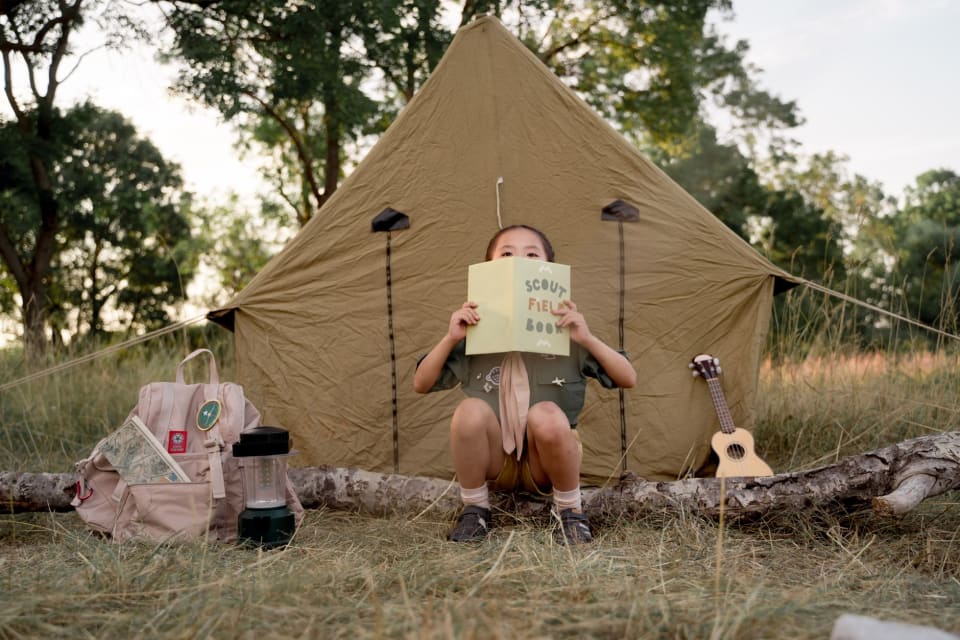
Camp
Camp is an aesthetic of deliberate theatricality, irony and 'so bad it's wonderful' taste, which turns excess, artifice and pathos into high art. The concept was theorised by Susan Sontag in her essay 'Notes on Camp' (1964), and in 2019 a legendary exhibition and Met Gala were devoted to it. Camp loves exaggeration, drama, kitsch, humour and a challenge to 'good taste': lavish wigs, sparkle, hyperbolised forms, joke costumes, pop-culture kitsch. It is a style that does not take itself too seriously and celebrates artifice as freedom. Elton John, Lady Gaga, drag culture and the designer Jeremy Scott became icons of camp. Camp is a joyful rebellion against boredom and convention, in which excess, irony and theatricality become a form of art and self-expression.
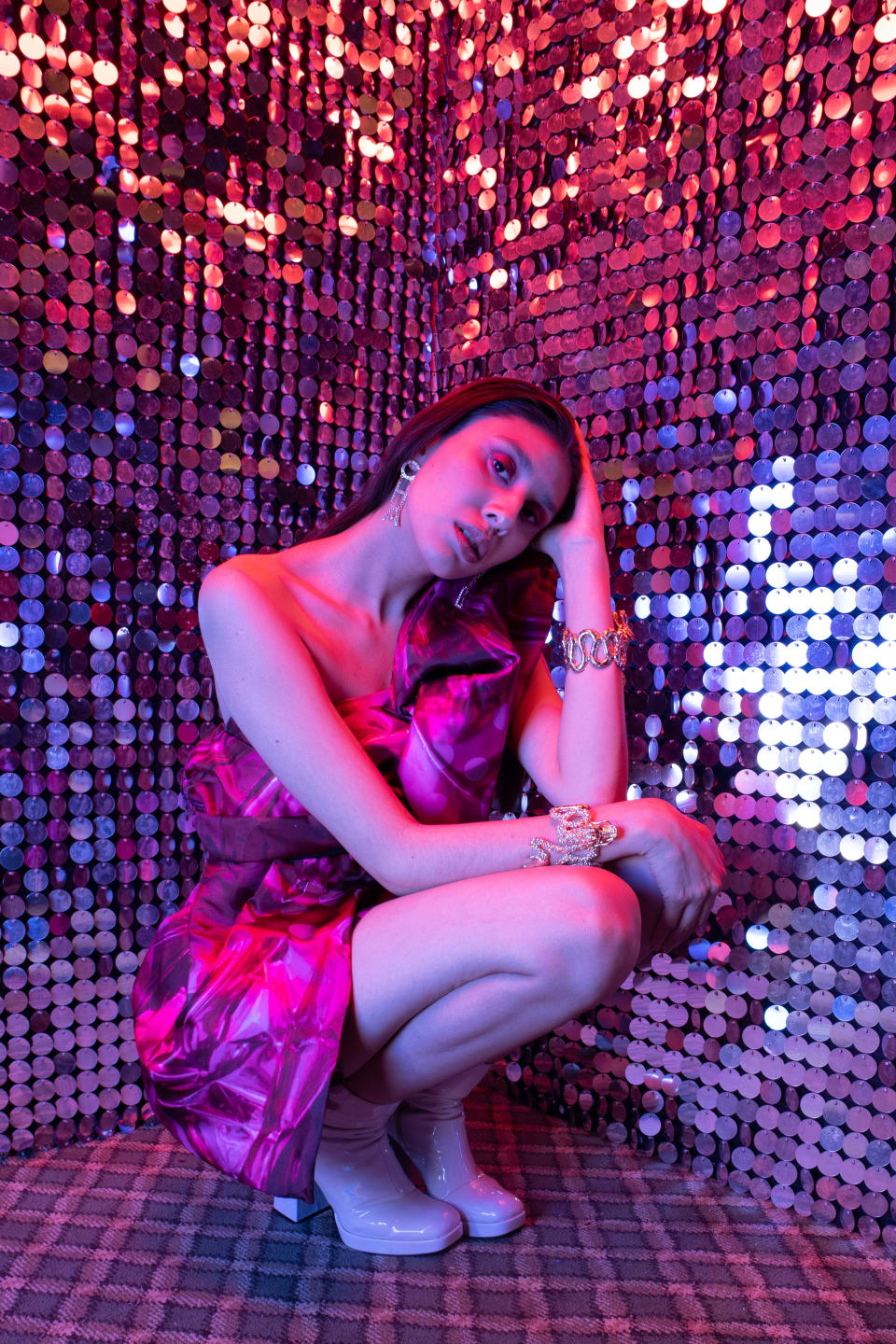
Disco
Disco is a glamorous, glittering style born on the dance floors of 1970s nightclubs to the music of the same name. Its chief trait is shine: sequins, lurex, metallic fabrics, satin and everything that gleams under a mirror ball. Disco loves clingy silhouettes, deep necklines, flares, platforms, high heels and rich, 'electric' colours. It is a style of the party, of movement and released, hedonistic energy, in which clothing is made to catch the light and draw attention in the dance. The aesthetic of Studio 54 became the emblem of the era. Disco returns to fashion regularly whenever it needs a dose of frank, festive sparkle and nostalgia for the uninhibited 1970s. It is a style of pure celebration and spectacle.
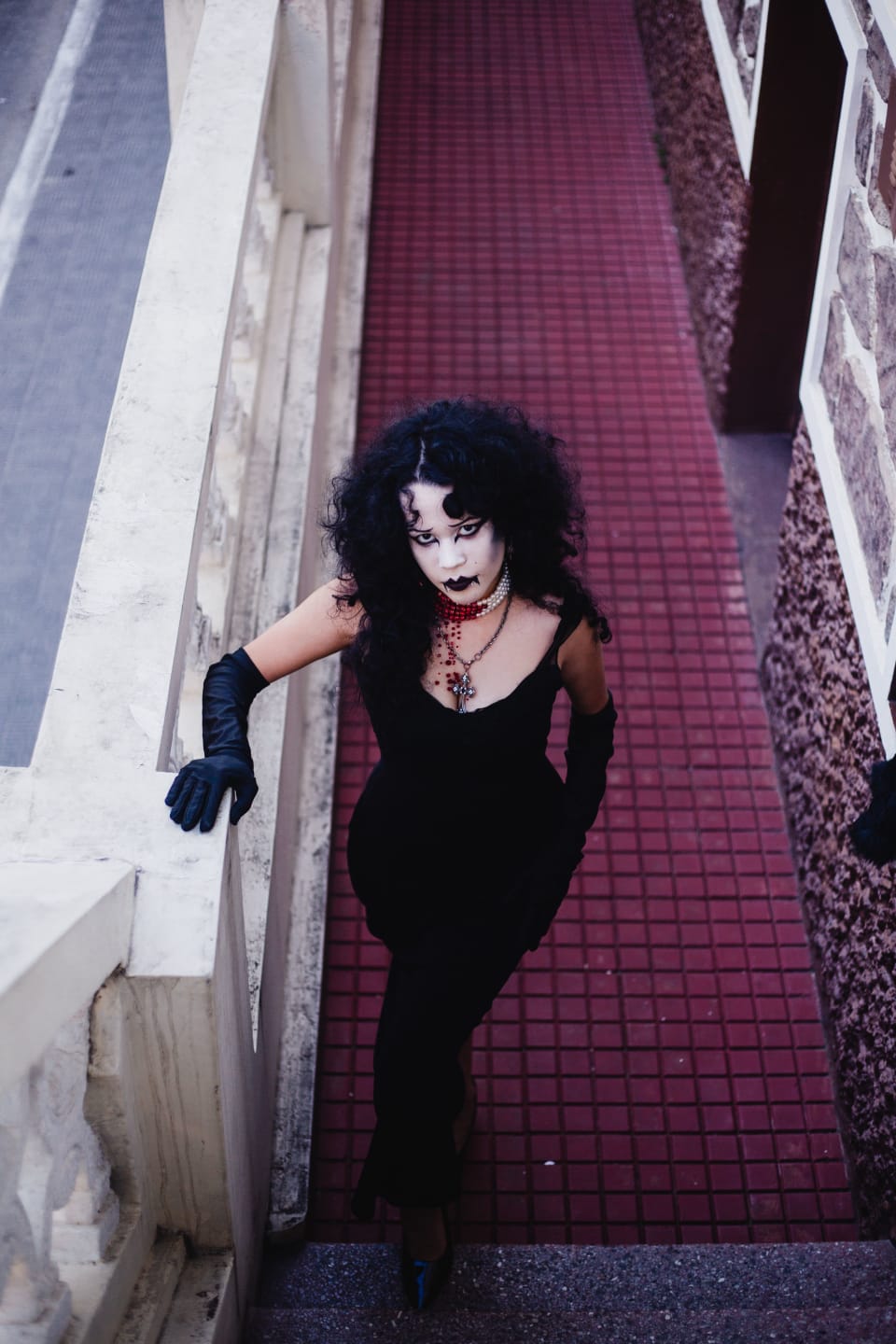
Gothic
The gothic style is a dark, dramatic aesthetic built on the dominance of black, a romantic pull toward mysticism, melancholy and the beauty of decay. Modern gothic style grew out of the goth subculture of the 1980s (post-punk music) but feeds on far deeper sources — Victorian mourning dress, medieval and Baroque sombre splendour. Its marks: black lace, velvet, corsets, leather, cold silver, crosses, heavy make-up. Gothic celebrates individuality, introversion and the aestheticisation of the dark side. It is not about aggression but about depth, romance and theatricality. In high fashion gothic motifs appear regularly as a powerful dramatic and conceptual device.
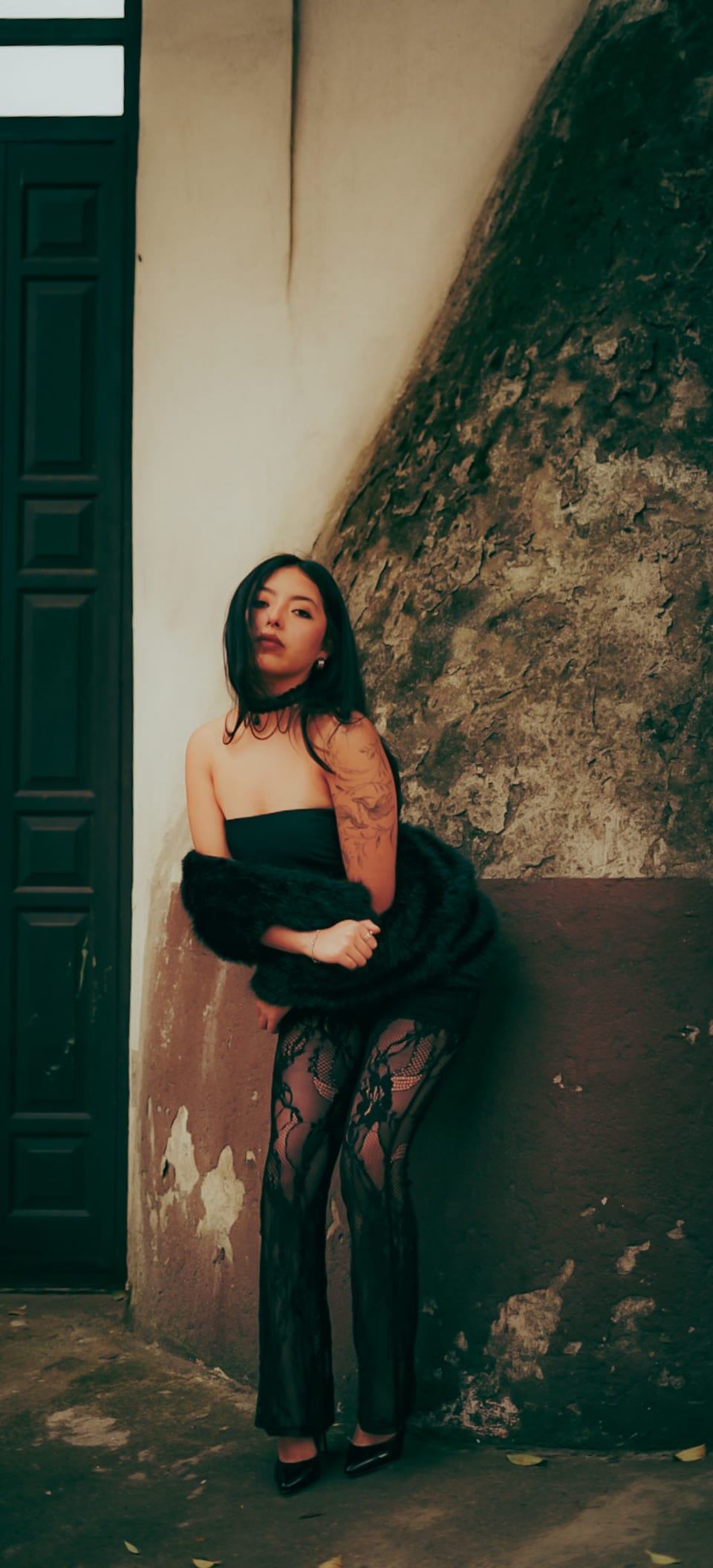
Grunge
Grunge is a deliberately careless, 'anti-fashion' style that grew in the early 1990s out of the Seattle rock scene (Nirvana, Pearl Jam) as a rebellion against the glossy glamour of the previous decade. Grunge is checked flannel shirts, stretched sweaters, ripped jeans, heavy boots, layering and a dark, muted palette. The aesthetic of worn, second-hand, deliberately untidy clothing became a manifesto of indifference to status and consumerism. In 1992 Marc Jacobs carried grunge onto the runway in a collection for Perry Ellis, and the 'anti-style' paradoxically became fashion. Grunge still returns in waves, remaining a symbol of youthful rebellion, ease and unadorned authenticity.
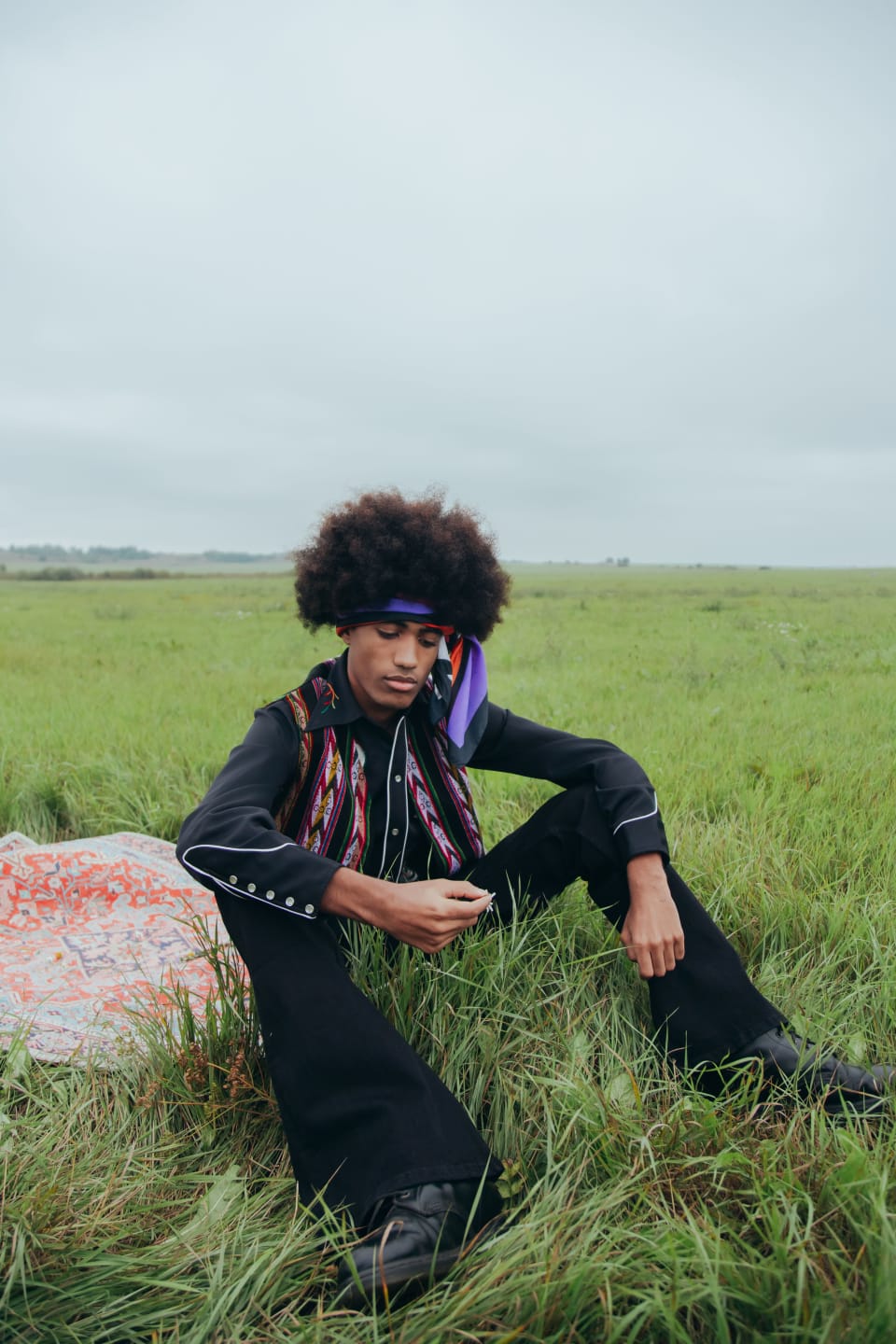
Hippie
Hippie is a style that grew out of the counterculture movement of the 1960s–70s as clothing-manifesto of peace, freedom, love and protest against consumerism and wars. Its aesthetic: free, unstructured cut, natural fabrics, psychedelic and ethnic prints, tie-dye, flares, fringe, flowers, large handmade ornaments and layering. Hippies rejected fashion as an industry, preferring homemade, second-hand and ethnic clothing gathered from various cultures. This style celebrated naturalness, individuality and spirituality rather than status. Hippie strongly influenced fashion and gave rise to modern boho. It still returns as a symbol of freedom, anti-consumerism and the romantic dream of a life in harmony with nature.
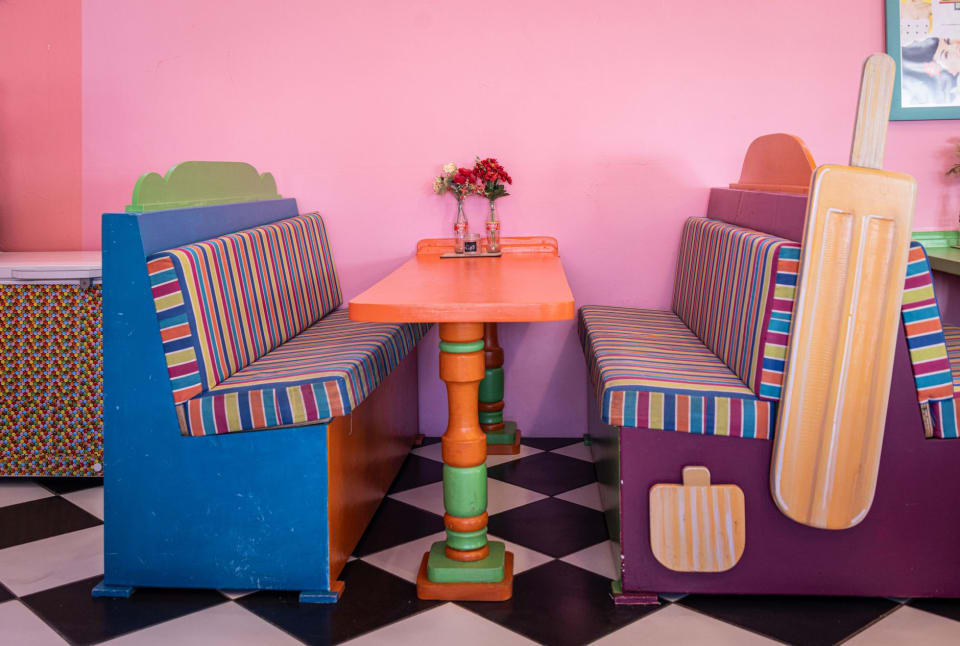
Kitsch
Kitsch is a style of deliberately 'tasteless', excessive and vulgar beauty that consciously breaks the rules of good taste for the sake of irony, fun and challenge. The word comes from German art jargon and means mass, cheap imitation of art. In fashion, kitsch is garish colours, gaudy prints, plastic ornaments, sparkle, pop-culture and 'souvenir' motifs, humorous and absurd combinations. Kitsch plays on the edge of bad taste, turning it into a deliberate, witty statement. It is close to camp but emphasises precisely the 'cheap', mass aesthetic. Designers such as Moschino (under Jeremy Scott) and Versace readily quote kitsch, turning it into high fashion. Kitsch is a playful rebellion against the elitism of taste, in which excess and unseriousness become a source of joy and freedom.
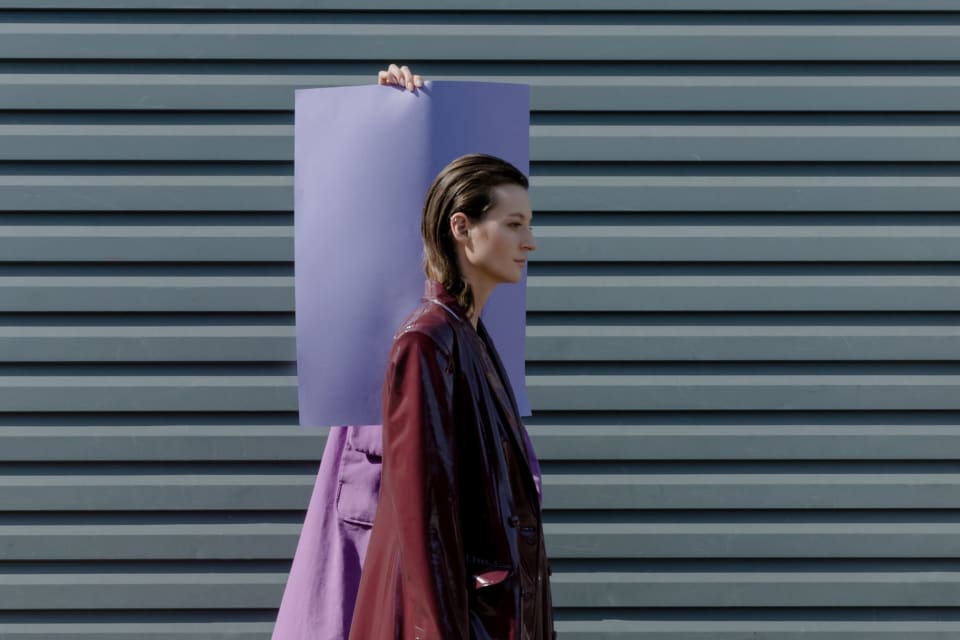
Mod
Mod is a youth style that arose in late-1950s–1960s Britain and became a symbol of Swinging London. The name comes from 'modernist'. Mod celebrated clean lines, graphic quality and futuristic freshness: geometric patterns, black-and-white contrasts, bright colour blocks, short A-line dresses, mini skirts (whose invention is credited above all to Mary Quant in London and André Courrèges in Paris), go-go boots and neat suits for men. The style icon was the model Twiggy with her boyish haircut and big eyes. Mod was about modernity, music (modern jazz, rhythm and blues, soul, ska), scooters and the cult of youth. It is a style of optimism, dynamism and the 'space age' of the 1960s. Mod returns regularly to modern fashion with its geometric prints, minis and clean, graphic aesthetic. It is an eternal symbol of youthful, confident and modern freshness.
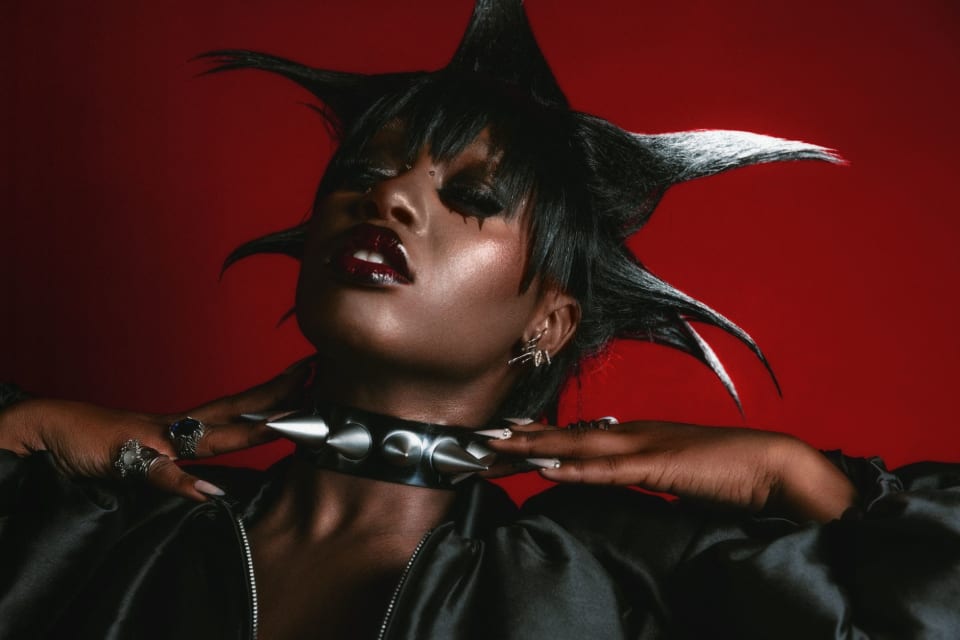
Punk
Punk is a rebellious, deliberately aggressive style that grew out of the mid-1970s punk-rock scene of London and New York as a radical challenge to society and 'respectable' fashion. Its aesthetic is ripped jeans and T-shirts, leather biker jackets, Scottish tartan, safety pins, chains, studs, spikes, army boots and outrageous mohawk hairstyles. Punk professes the DIY principle: clothing is torn, painted over, pinned together, turning it into a manifesto of protest and individuality. A key figure was the designer Vivienne Westwood, together with the band the Sex Pistols, who brought punk into high fashion. Despite its 'anti-fashion' pathos, punk gave world fashion a powerful vocabulary that still feeds designers. It is a style of resistance, freedom and uncompromising self-expression.
Retro
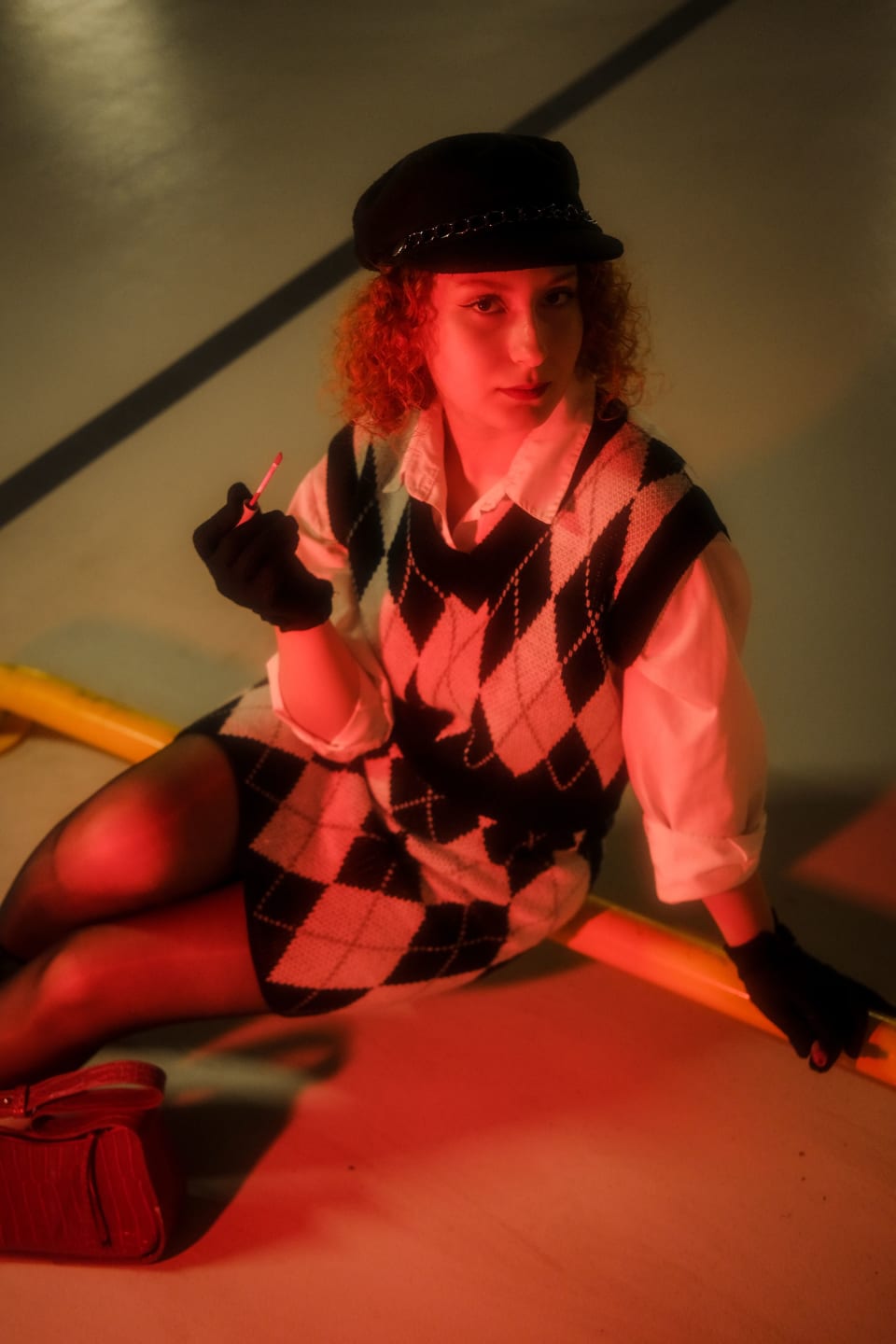
Retro is a style that recreates the aesthetic of a particular past era but, unlike vintage, usually through new, modern pieces styled to look old. Retro quotes the recognisable marks of decades: polka dots and full skirts of the 1950s, psychedelic prints and the mini of the 1960s, flares and the earthy palette of the 1970s. It is a game with nostalgia in which a modern person tries on the spirit of the past without needing to hunt for authentic pieces. Retro allows a whole image of an era to be recreated — from hairstyle to accessories — and always sounds a little theatrical, festive and characterful. This style is popular at themed events and among those who love an expressive, 'storytelling' aesthetic with a clear cultural code.
Rock
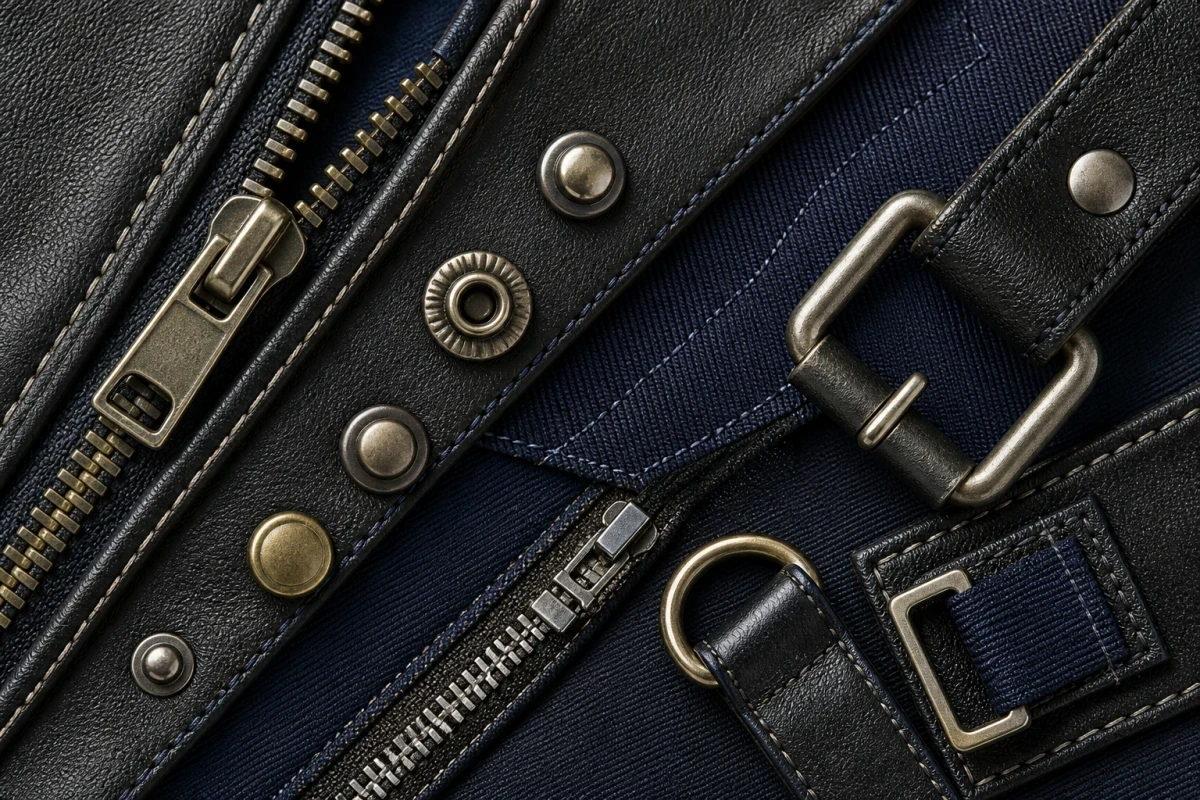
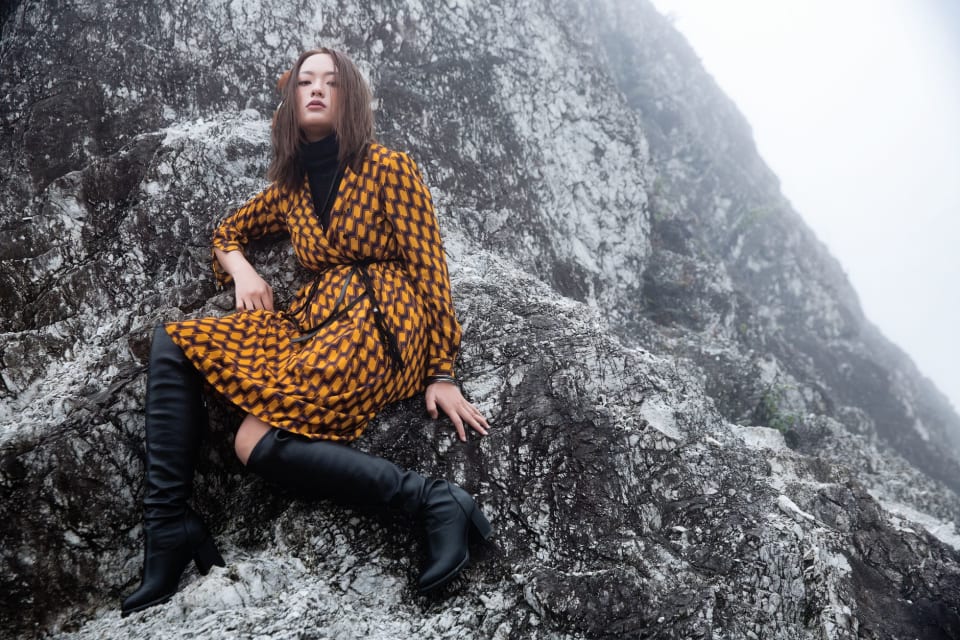
Rock is a rebellious, energetic style that grew out of rock music and became a universal language of resistance, freedom and defiant character. Its classics are the leather biker jacket, narrow black jeans (often ripped), band-logo T-shirts, heavy boots and combat boots, studs, chains, leather, a dark palette. The rock style absorbed the aesthetics of various eras and subgenres — from classic rock and roll to the glam, punk and heavy-metal scenes — but always remained about independence, drive and anti-conformism. Unlike the more aggressive punk, rock is broader and more wearable, so it long ago became part of the everyday wardrobe. The leather biker jacket is its eternal symbol. Rock is a style of inner freedom and strength, in which dress becomes a statement of character, independence and a love of music and life on one's own terms.
Other Fashion Dimensions