

Explore 11 styles
Styles
From minimalism to streetwear — the horizons of Ukrainian fashion.

Business casual
Business casual is a dress code that softens the severity of the classic office suit while keeping a tidy, professional look. It is the middle ground between formal and everyday: a shirt or blouse without a tie, neat knitwear, chinos or well-cut trousers, a shirt dress, loafers, clean shoes or minimalist sneakers. Business casual emerged with the gradual relaxation of corporate dress codes in the late 20th century, when companies allowed 'tie-free Fridays' and later less formal everyday dress. The guiding principle is appropriateness and neatness: pieces should be pressed, well-fitted and kept to a restrained palette, even when they are comfortable. The style is prized for its balance of comfort and authority — one feels free in it yet stays collected and professional. Business casual is the versatile choice of the modern office, meetings and semi-formal occasions.

Business formal
Business formal is the strictest business dress code, built on the classic suit and impeccable neatness. For men it is a dark two- or three-piece suit, a light shirt, a tie, leather oxfords and restrained accessories; for women, a suit with a pencil skirt or trousers, a sheath dress, closed elegant footwear with a moderate heel. The palette is restrained — navy, grey, black — and the fabrics are of good quality that hold their shape. The style took form in the corporate world of the 20th century as a visual code of authority, reliability and respect for the occasion. Its guiding principles are impeccable fit, measured proportions and the absence of superfluous detail: everything works towards an image of professionalism and solidity. Business formal is chosen for important negotiations, official events and the banking and legal spheres — wherever appearance must speak of competence and seriousness.
Casual
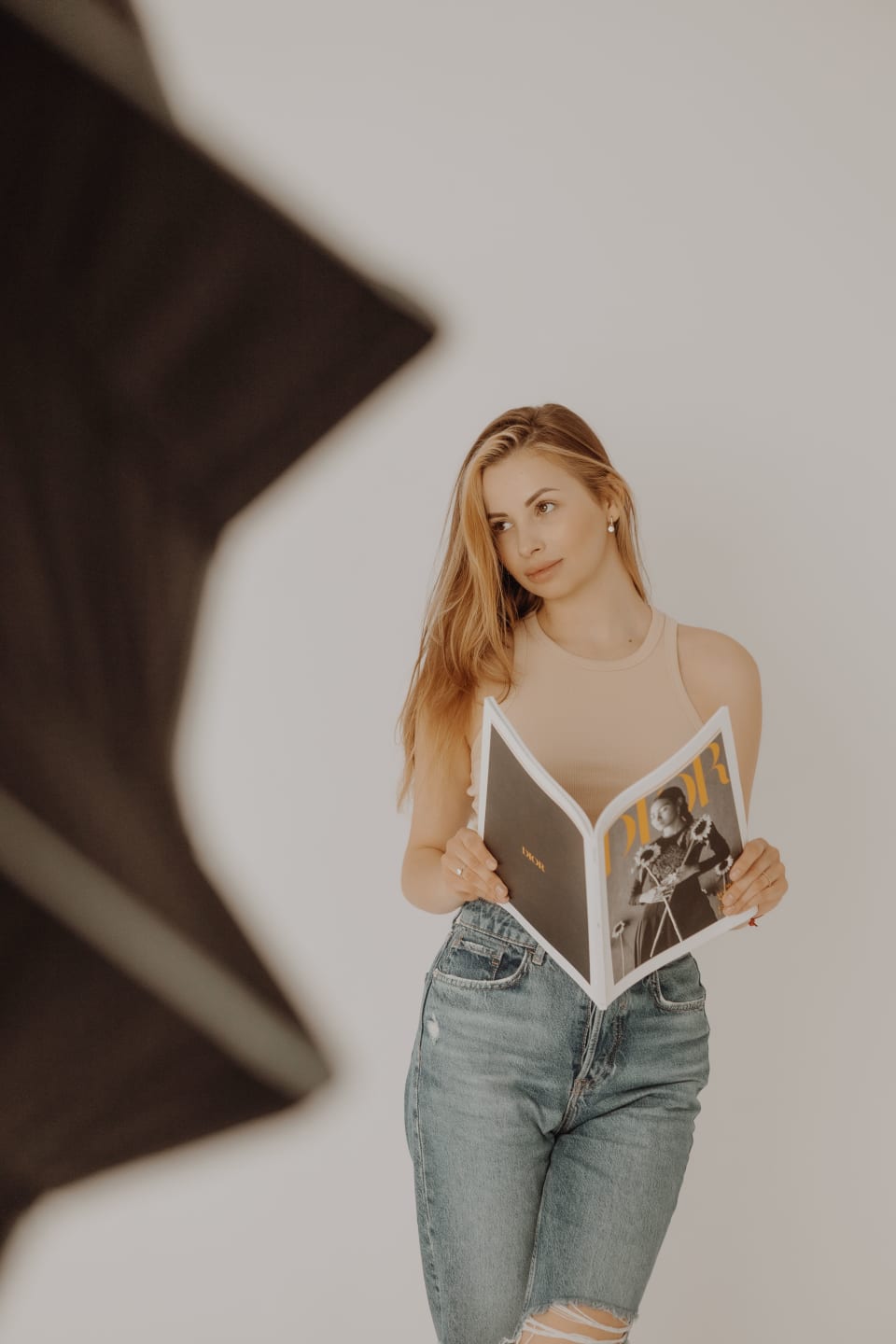
Casual is a style of everyday, relaxed clothing that puts comfort and practicality first without sacrificing a tidy appearance. It is jeans, T-shirts, knitwear, sweaters, comfortable shoes, untucked shirts — pieces in which a person feels free every day. Casual was born of the democratisation of 20th-century fashion, when strict dress codes gave way to comfort. The key to successful casual is balance: relaxed but not careless, simple but tidy. Variants — smart casual (combining the relaxed with elements of the classic) — allow this style to be worn even in a semi-formal context. Casual is the most widespread style of the modern wardrobe, because it matches the rhythm and freedom of contemporary life.
Classic
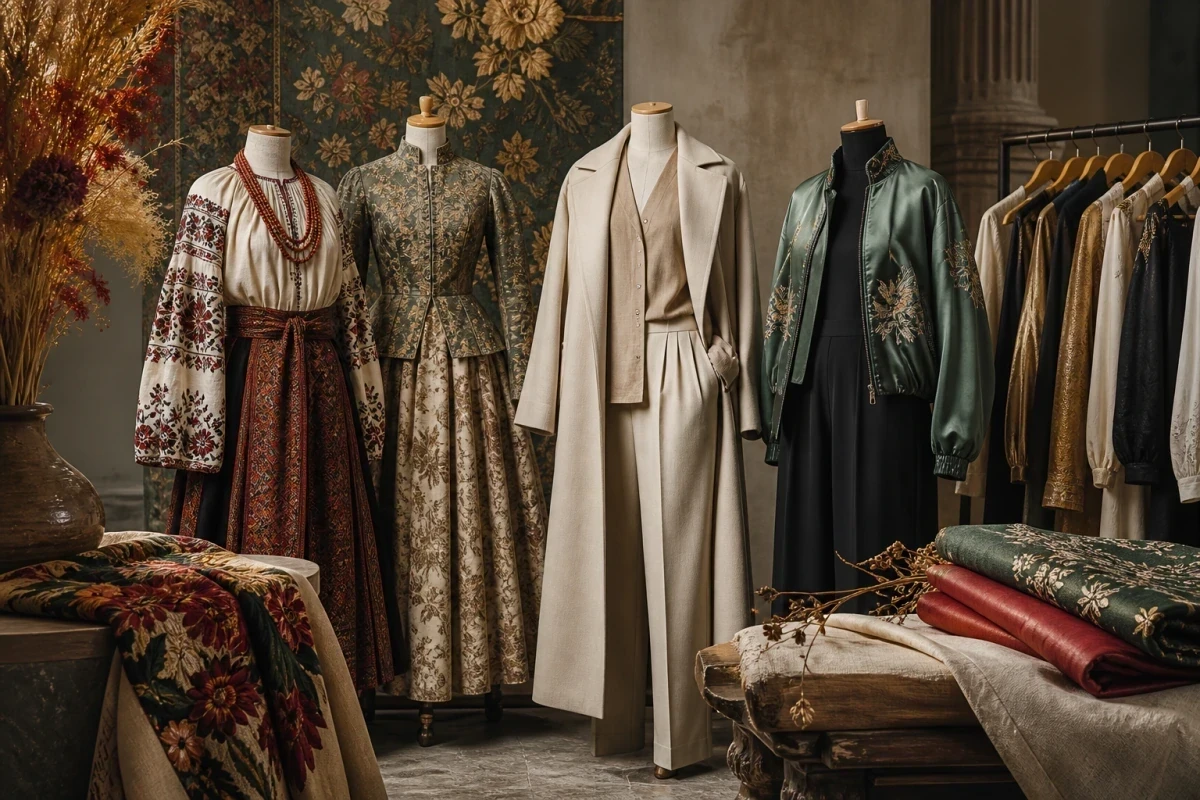
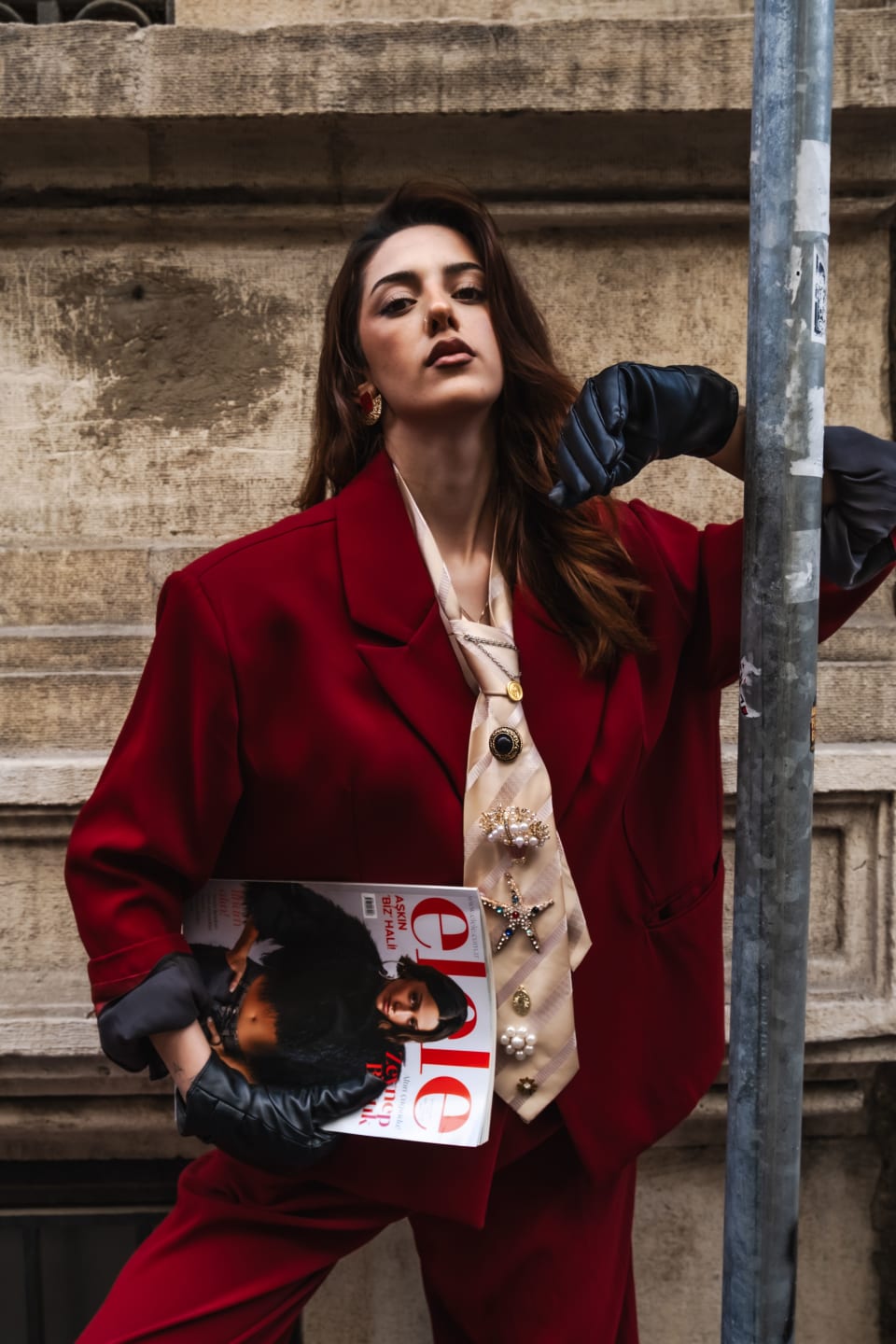
Classic is a timeless style built on measured proportions, restrained elegance and pieces that stay in fashion for decades. A classic wardrobe rests on a few impeccable basics: a well-cut jacket, a shirt, a straight skirt or pressed trousers, a trench, a little black dress, leather court shoes. Here quality is valued over quantity, with a restrained palette of neutral colours. The classic style avoids extremes and seasonal whims, betting on pieces in which a person will look appropriate even ten years later. It is a style of trust and authority, often chosen for business and formal contexts. Classic is the foundation on which almost all other styles rest.
Lounge
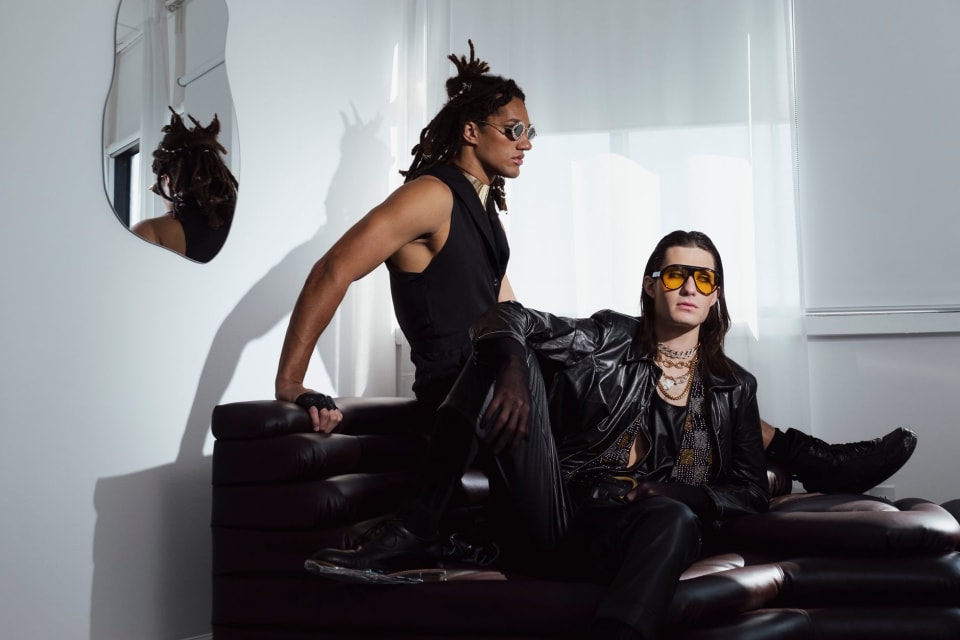
Lounge is a style of at-home, relaxed clothing made for comfort and rest, but tidy enough to be worn out for bread or to receive guests. It is soft knitted sets, voluminous cardigans, loose trousers, hoodies, cashmere sweaters, body-pleasant fabrics and a calm, 'homely' palette. Loungewear became a distinct, full-fledged current, especially with the spread of remote work, when comfort at home came to the fore. Unlike pyjamas, lounge has a presentable appearance and a considered style. This current celebrates the idea of comfort without carelessness — 'relaxed but tasteful'. Lounge is associated with cosiness, self-care and a slow, calm rhythm of life.
Military
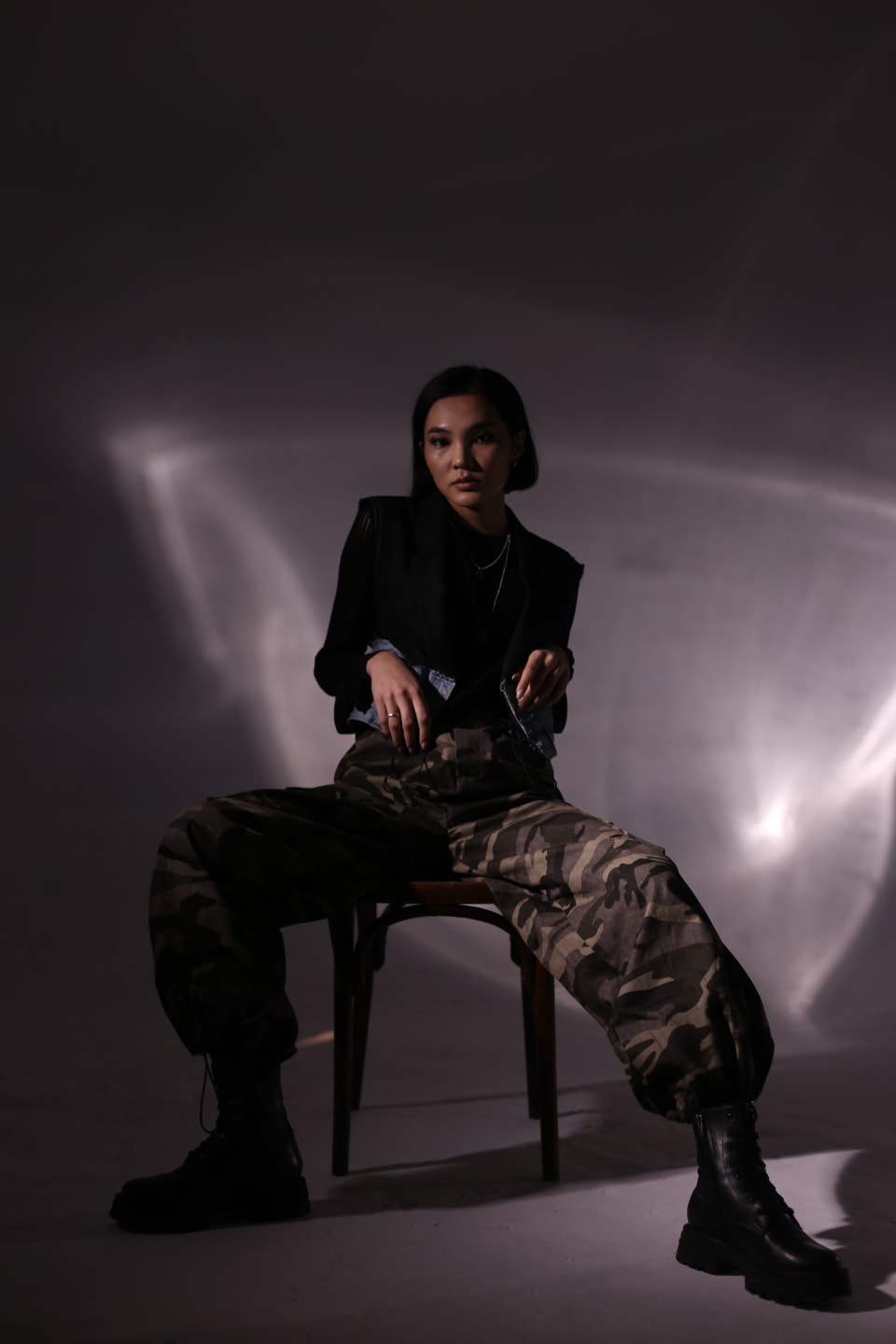
Military is a style that borrows elements of army uniform and carries them into civilian fashion. Its marks: khaki, olive and camouflage, epaulettes, cargo patch pockets, brass buttons, pea coats, trenches, greatcoats and combat boots. Historically many civilian wardrobe pieces were born precisely from military uniform (the trench, the bomber, the cardigan). Military combines function, strength and a clean, 'disciplined' silhouette with a hint of power and resolve. This style returns to fashion cyclically, sometimes as a tribute to practicality, sometimes as an aesthetic statement. Military lends a look structure and character, and details such as cargo pockets or camouflage have long become trends in their own right beyond the military context.
Preppy
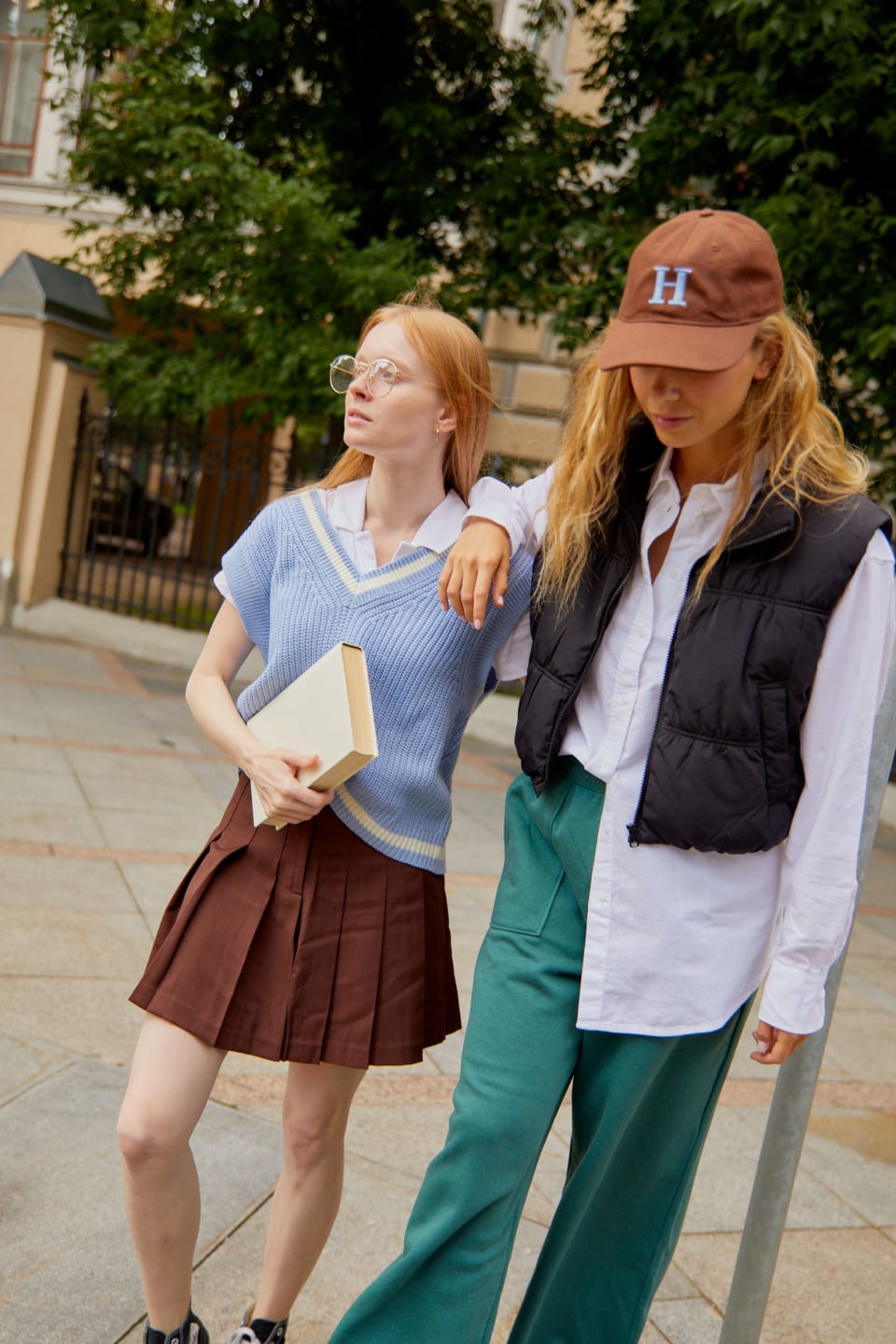
Preppy is a tidy, conservative-youthful style originating in the aesthetic of students at prestigious American preparatory schools and Ivy League universities (hence the name). Its marks: polo shirts, trenches, cable-knit sweaters, tartan skirts, crested blazers, loafers, striped and checked patterns, a restrained palette. Preppy combines neatness, the classic and effortless sportiness into a 'proper', well-groomed look that hints at a good education and means. The style was popularised by brands such as Ralph Lauren. Preppy is orderliness without excessive severity, comfort with notes of aristocracy. It is associated with youth, tidiness and the measured, slightly nostalgic elegance of the campus.
Smart casual
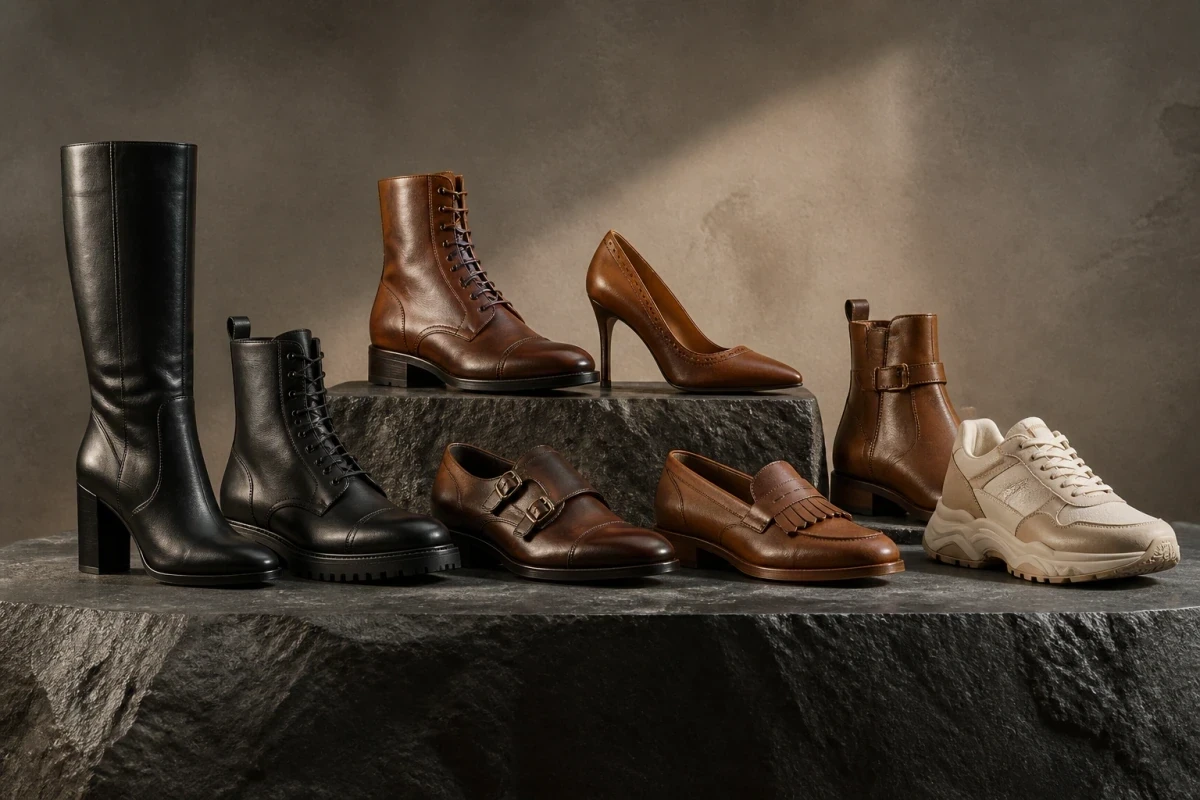
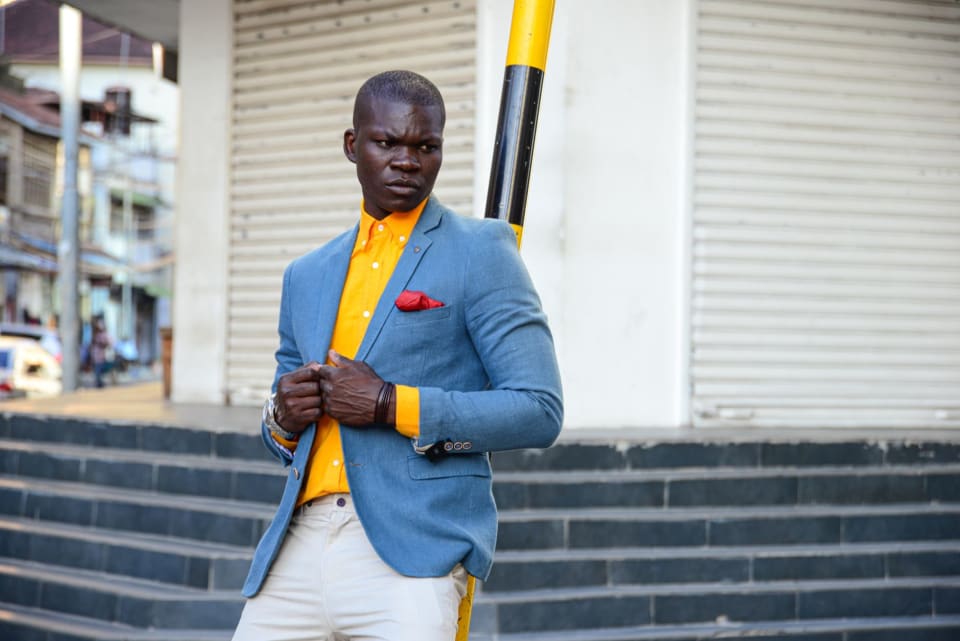
Smart casual is a style that combines the ease of everyday dress with elements of the classic, creating a tidy yet relaxed look. It is 'clever' casual: dark-wash jeans or chinos paired with a blazer, neat knitwear, a shirt or an elegant blouse, loafers, Chelsea boots or stylish sneakers, and well-chosen accessories. Unlike purely casual, smart casual always carries one or two 'elevating' accents — a structured jacket, quality footwear or an expressive detail — that lift the look a notch. The dress code arose from the need to look appropriate where a formal suit is excessive but ordinary jeans and a T-shirt fall short: at informal meetings, dinners and cultural events. Smart casual is valued for its flexibility and modernity — it grants freedom of self-expression while preserving restrained taste and a sense of style.

Sport chic
Sport chic is a style that elevates athletic clothing to an elegant look, combining the comfort and dynamism of sport with refinement and stylish accents. Unlike purely athletic dress, sport chic deliberately mixes sporty pieces — sneakers, a hoodie, a bomber, leggings, knitwear — with 'grown-up' details: a structured jacket, a coat, leather, quality accessories, an elegant bag or jewellery. The guiding principle is contrast and balance: a sporty piece looks stylish precisely next to something refined, while the whole look stays tidy and considered. Sport chic grew out of the vogue for athleisure and the cult of an active lifestyle, when comfort ceased to contradict elegance. The style is valued for its freedom, modernity and versatility — appropriate in the city, on a walk, while travelling and even at an informal event. Sport chic is the art of wearing athletic clothing so that it sounds not humdrum but fashionable and confident.

Sporty
The sporty style is an aesthetic that carries elements of athletic clothing into the everyday wardrobe for comfort, freedom of movement and a dynamic look. It is sneakers, hoodies, leggings, bombers, knitwear and functional fabrics that breathe and stretch. A distinct powerful current — athleisure — is when sports pieces are worn not for sport but as a full lifestyle. The sporty style grew out of the democratisation of fashion and the cult of a healthy, active way of life. It values comfort and function, often combining them with recognisable brand details. This style is ideal for the active rhythm of the modern city, and thanks to clever combinations, sports pieces today are appropriate even far beyond the gym.
Other Fashion Dimensions