

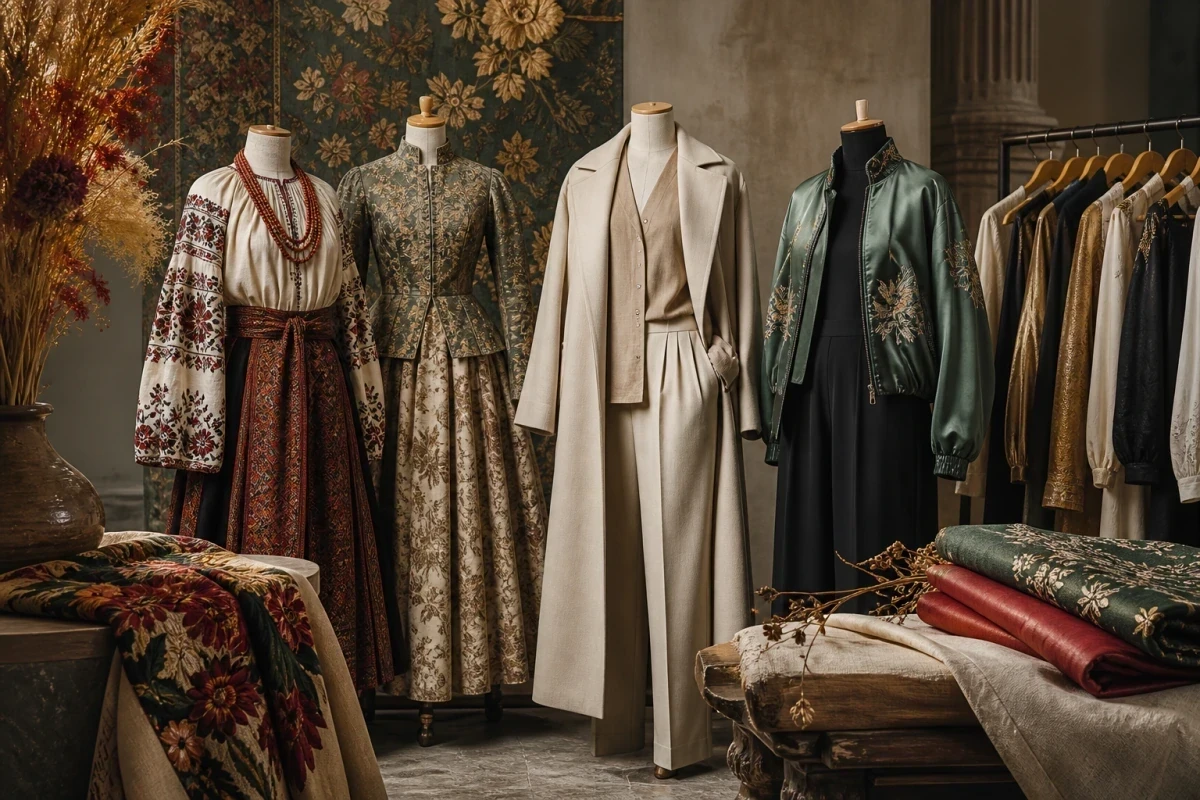
Explore 13 styles
Styles
From minimalism to streetwear — the horizons of Ukrainian fashion.
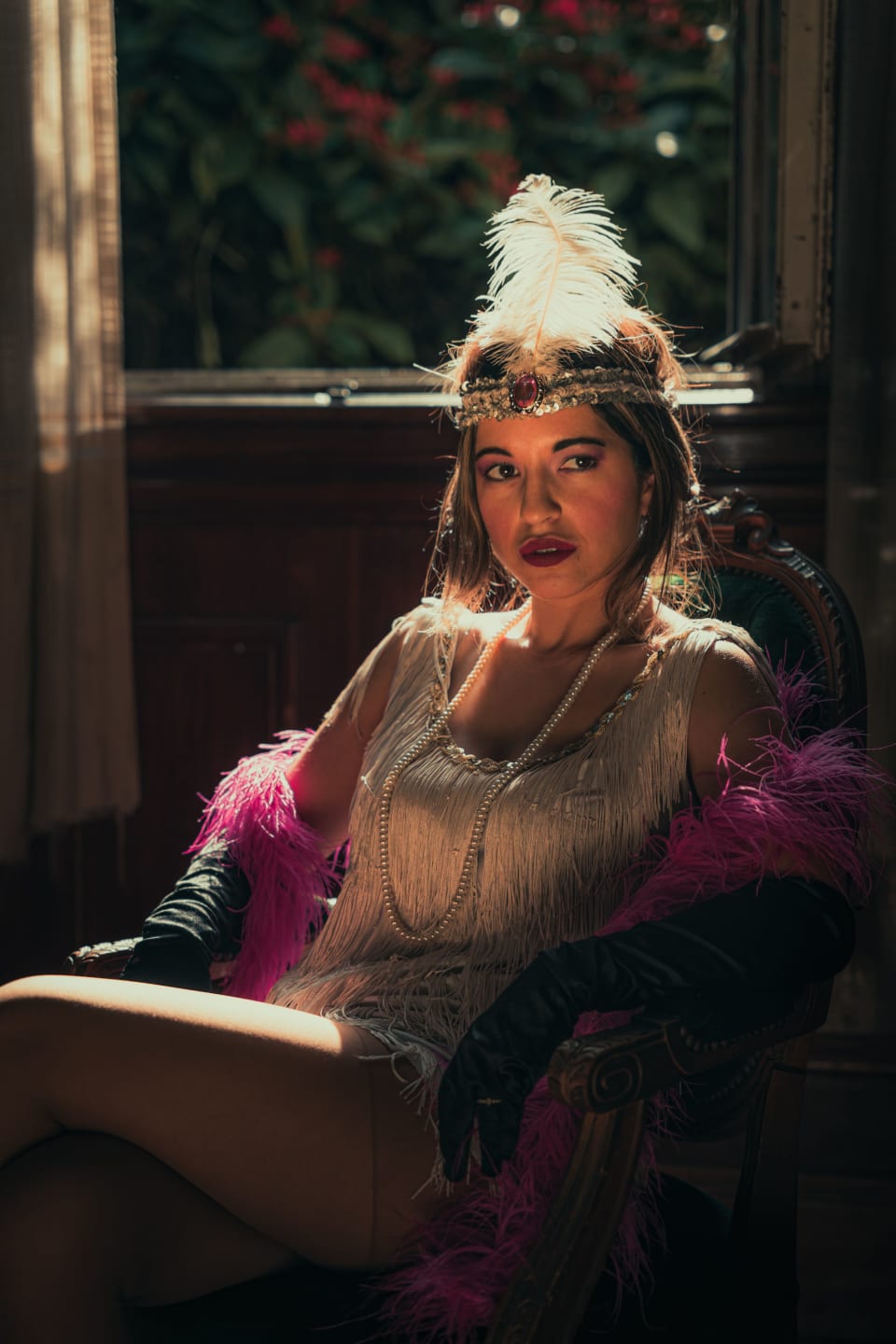
Art Deco
Art Deco is a luxurious, geometrically decorative style that reigned in the 1920s–30s and embraced everything: architecture, design, jewellery art and fashion. In dress, Art Deco is the era of the flappers: straight low-waisted dresses, rich decoration with sequins, beads and fringe, geometric patterns, vertical lines, precious sparkle and metallic shades. The style combined luxury with a machine, 'industrial' aesthetic of clean forms and symmetry. Art Deco embodied the spirit of freedom, jazz and a new, uninhibited life after the First World War. Its influence is still felt in eveningwear and jewellery whenever a look calls for the glamorous, geometric luxury of 'The Great Gatsby'.
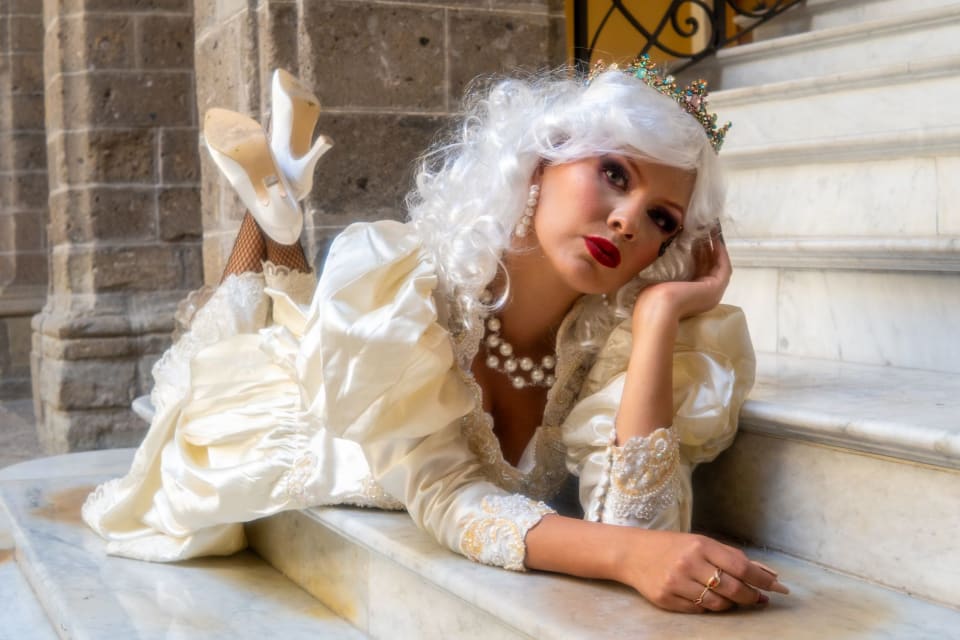
Baroque
Baroque is a lavish, dramatic style inspired by the aesthetic of 17th–18th-century European art with its love of luxury, movement and theatricality. In fashion, baroque is heavy precious fabrics (velvet, brocade, silk), rich gold embroidery, elaborate lace, voluminous sleeves, deep saturated colours and an abundance of décor. The style celebrates excess as beauty: the more sparkle, ornament and texture, the better. Historically the baroque costume reflected the power and wealth of the aristocracy and monarchs. Baroque motifs are regularly brought back into modern fashion by designers (above all Dolce & Gabbana, Versace) — with their gold patterns, baroque prints and opulent luxury. Baroque is a style of grandeur, sensuality and confident, unapologetic luxury that is not afraid to be noticed.
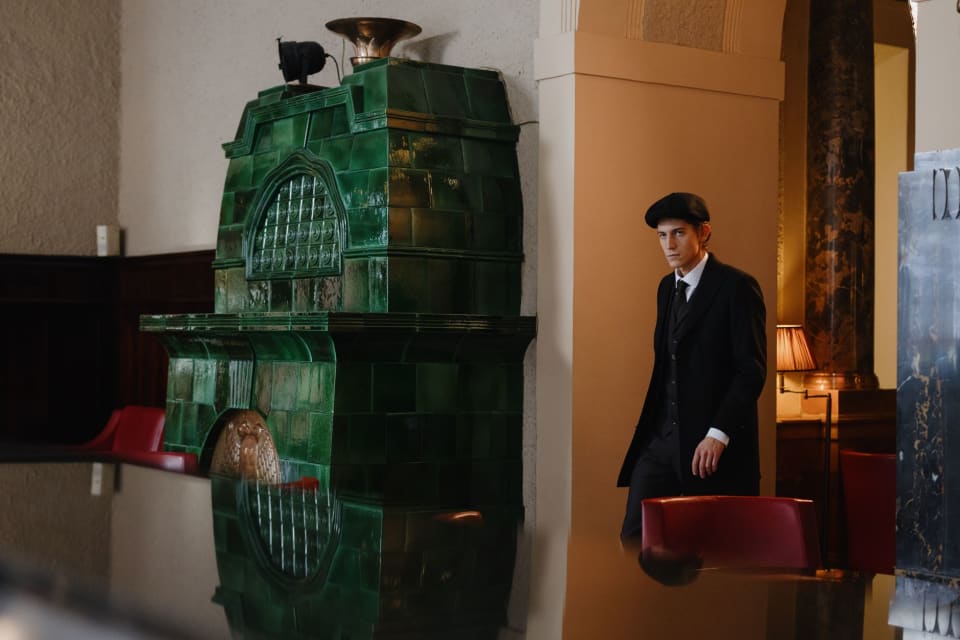
Dandy
The dandy is a style of refined menswear that places an impeccable cut, neatness and restrained elegance above showy luxury. Its model was the Englishman George 'Beau' Brummell in the early 19th century: he rejected the lavish, ornamented dress of the previous age in favour of a perfectly tailored suit, clean lines, measured proportion and a flawlessly tied cravat. The dandy is a cult of detail and self-discipline: the quality of the fabric, the fit and grooming matter more than brightness. The style unites aristocratic restraint with a note of intellectual aristocracy and even a challenge to social convention. The modern dandy is a man (and today a woman in an androgynous key) who makes a work of taste out of their dress. It is a philosophy of 'less, but impeccable', where elegance is quiet and the influence immense.
Edwardian
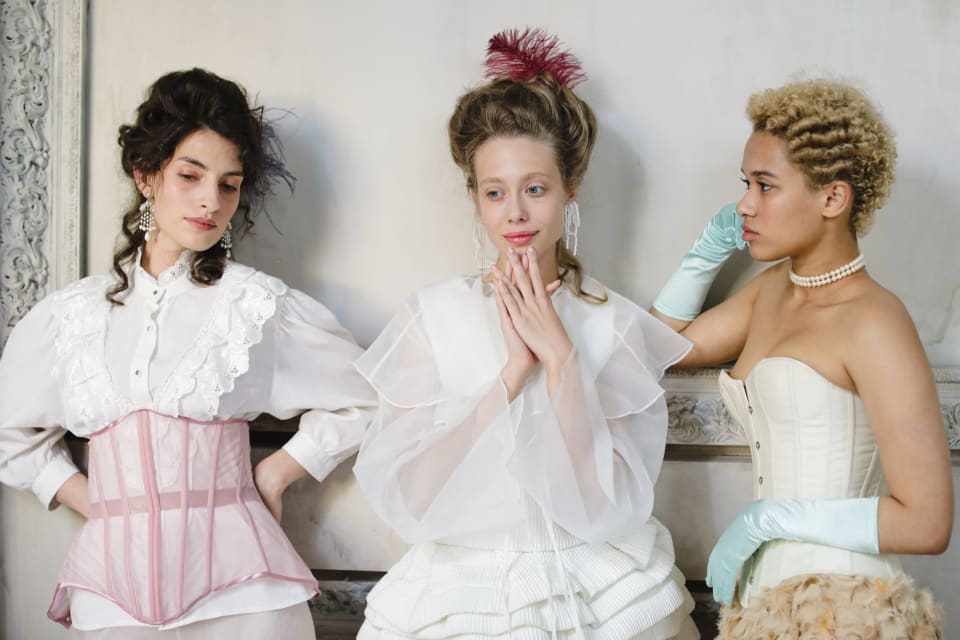
The Edwardian style is the aesthetic of the era of King Edward VII (1901–1910), a refined bridge between severe Victorian opulence and the freedom of the 20th century. Its ideal is the 'hourglass' silhouette with the S-bend curve given by the corset: a full bust, narrow waist and smooth line of the hips. The dress was marked by delicacy and tenderness: lace, high collars, full 'pigeon-breast' blouses, light fabrics, wide-brimmed feathered hats. It is the age of the 'Belle Époque' with its cult of femininity, luxury and refined leisure. In modern fashion Edwardian motifs — lace collars, romantic blouses, refined silhouettes — are quoted in romantic and vintage collections. The Edwardian style is the refined, tender elegance of the last great age of the corset, full of aristocratic charm.
Flapper
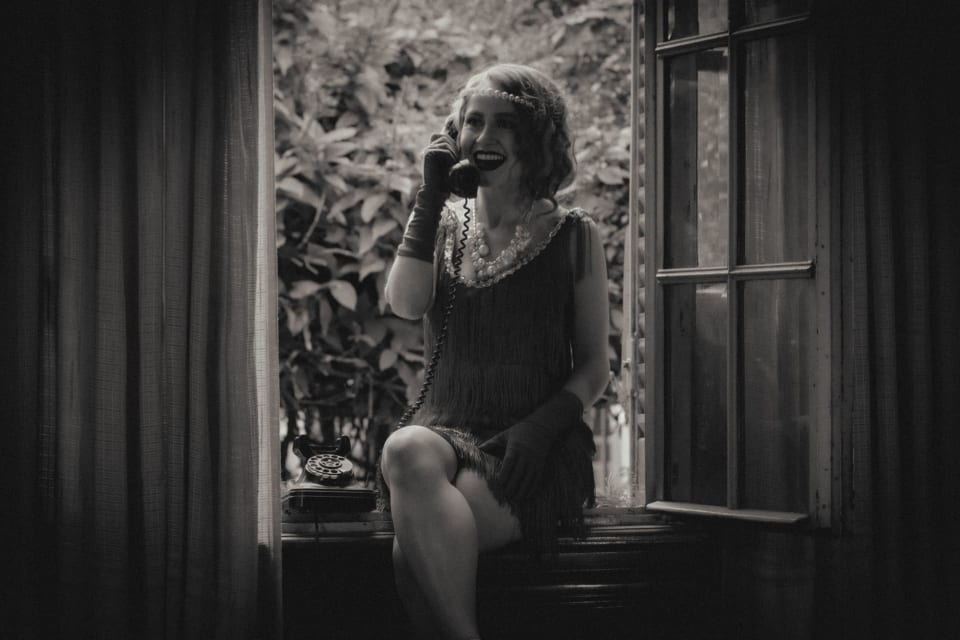
The flapper is the iconic style of the 'Roaring Twenties' (1920s), which embodied the rebellion of a new generation of emancipated women against the corsets and conventions of the past. Flappers rejected full forms in favour of a straight, loose, low-waisted silhouette, knee-length dresses richly trimmed with fringe, sequins and beads that shimmered in the dance. The look was completed by a short 'bob' haircut, cloche hats, long necklaces, bright make-up and cigarette holders. The flapper is a manifesto of freedom, jazz, the night and a new way of life: these women smoked, danced the Charleston, drove cars and voted. The aesthetic of the 1920s is forever tied to Art Deco and still returns in eveningwear whenever a glamorous retro sparkle is wanted. The flapper is a symbol of women's liberation and a carefree, sparkling joy of life.
Neo-classical
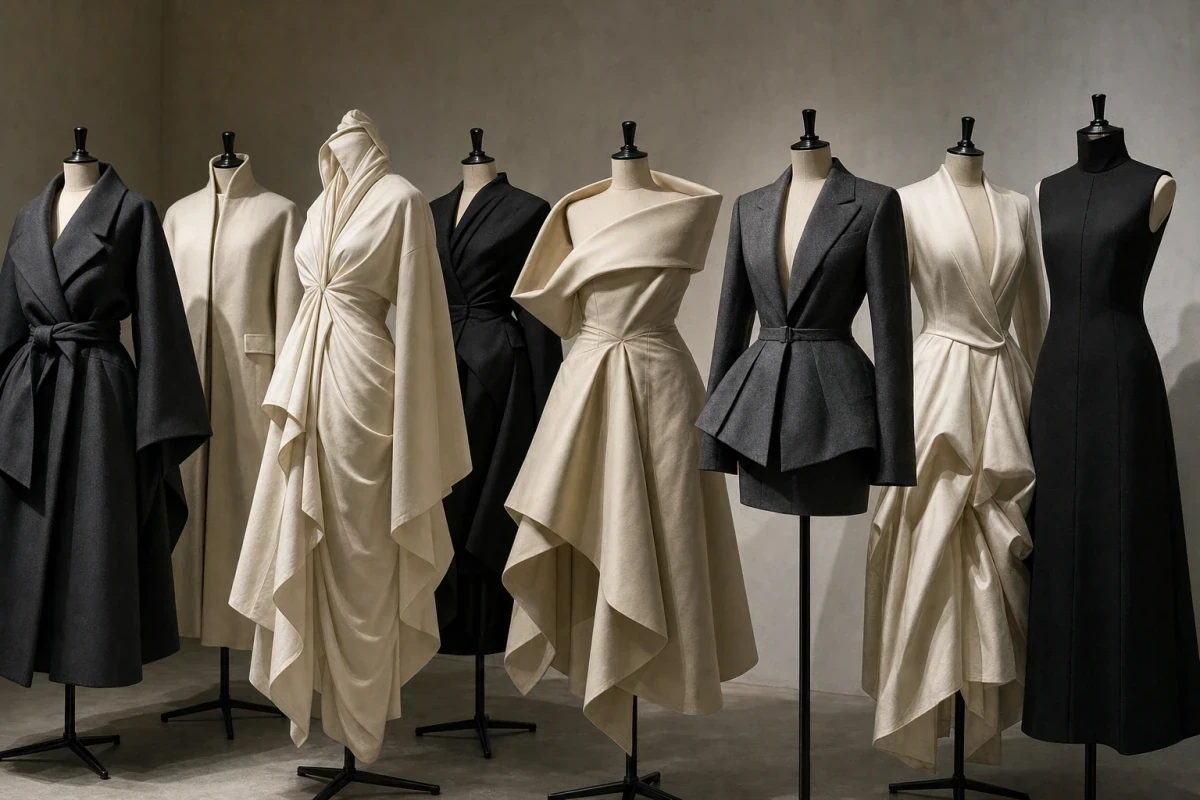
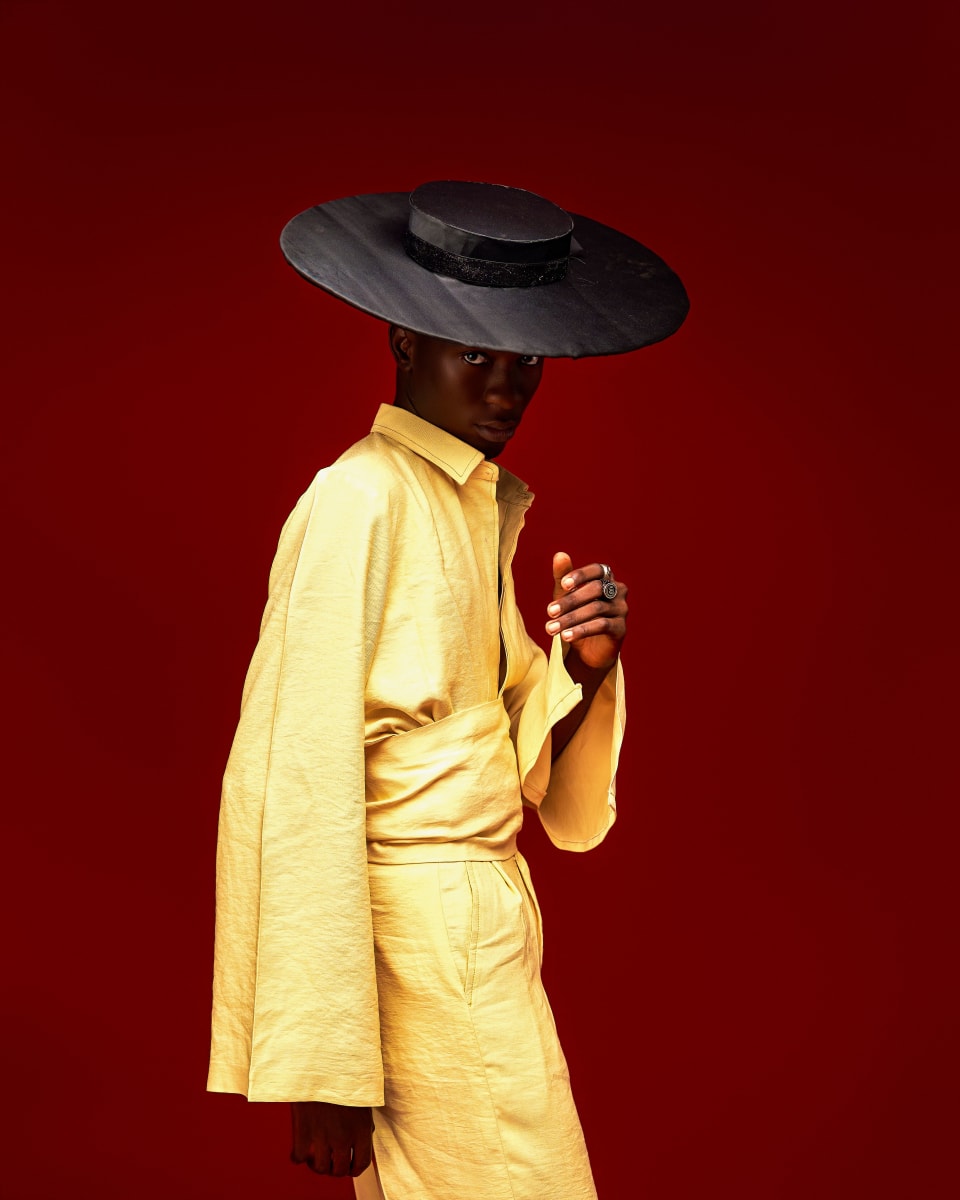
Neo-classical is a style that reinterprets antique and classical aesthetics in the language of the present, combining measured harmony, purity of line and noble simplicity with a current cut. It draws on ancient Greek and Roman ideals — draping, slender vertical lines, natural folds, 'sculptural' silhouettes — and on classical elegance, but sounds fresh and modern. Neo-classical avoids excess, betting on proportion, quality fabric and a noble, often light palette. It is a style of restrained, 'architectural' beauty in which every line is measured. It is associated with timeless elegance, intelligence and a sense of measure. Neo-classical is the choice of those who value harmony, noble simplicity and a perfection of form beyond fashion.

New Look
New Look is the revolutionary style presented by Christian Dior in 1947 that defined women's elegance for decades. After the austere, frugal war years, Dior proposed a return to lush, emphasised femininity: rounded 'soft' shoulders, a tightly cinched waist, and a full corolla skirt to mid-calf that used metres of fabric. The silhouette resembled a flower — no wonder Dior called women flowers. New Look shocked with its extravagance after the shortages, but quickly conquered the world, returning dreaminess and femininity to fashion. It defined the aesthetic of the 1950s and entered history forever as the moment Paris reclaimed its title as the capital of fashion. New Look is a symbol of the rebirth of beauty, glamour and triumphant, blooming femininity after years of austerity.
Pin-up
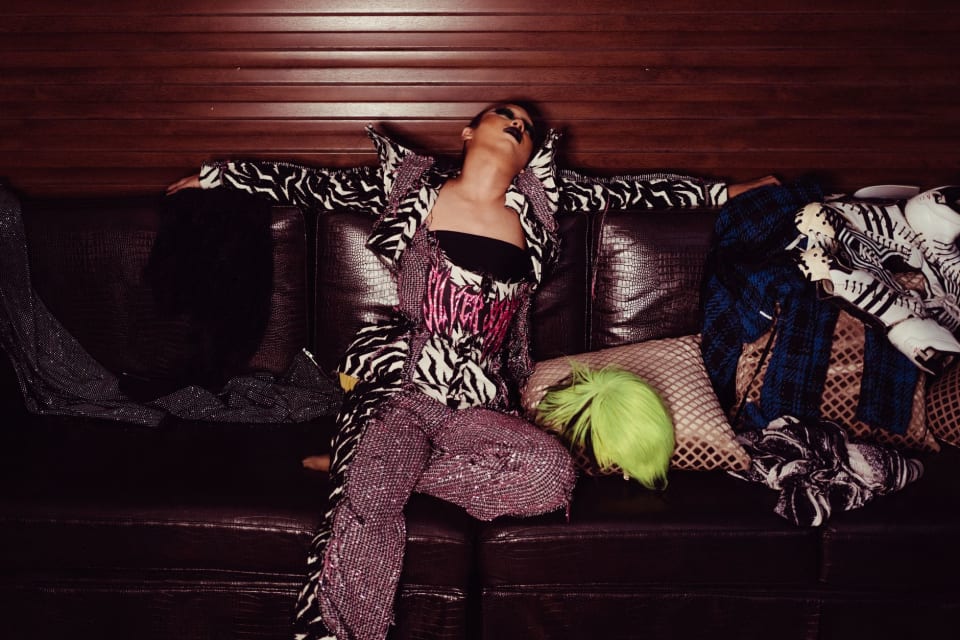
Pin-up is a playfully alluring retro style that grew out of the popular posters (pin-up — 'to pin on the wall') of the 1940s–50s depicting charming, smiling beauties. The pin-up aesthetic celebrates feminine curves and coquettish sensuality without vulgarity: figure-hugging pencil dresses or full skirts, an emphasis on the waist, deep necklines, stocking seams, red lipstick, winged eyeliner and victory-roll hairstyles. The illustrations of Gil Elvgren and stars such as Bettie Page and Marilyn Monroe became key images. Pin-up combines vintage glamour, femininity and a light, smiling provocation. Today it is a popular style for themed shoots, burlesque and retro events. Pin-up is a celebration of femininity, retro charm and that playful confidence which makes a look at once alluring and good-naturedly cheerful.
Regency
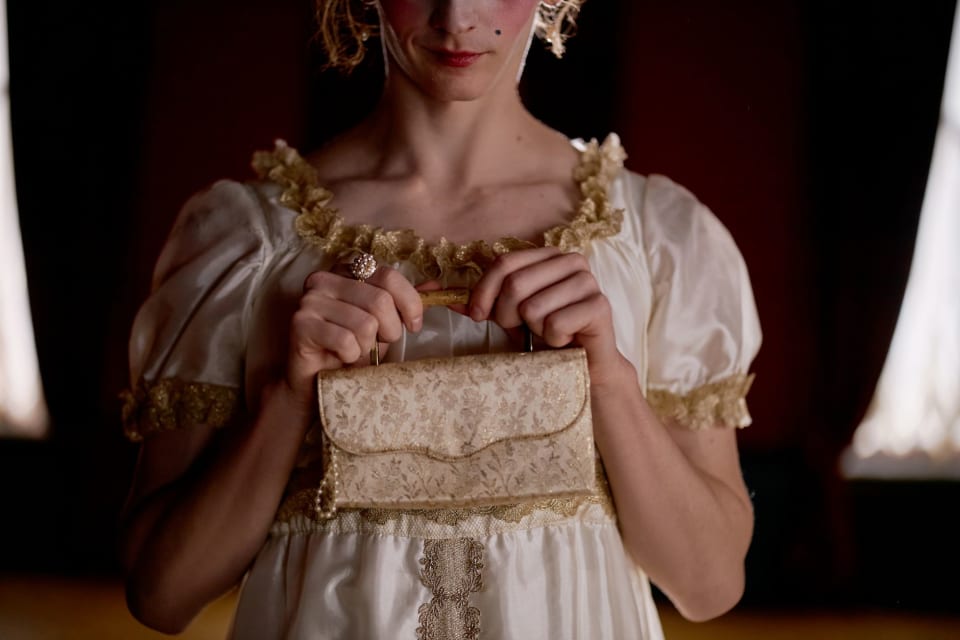
Regency is the style of the English Regency era (early 19th century), known today from Jane Austen adaptations and the series 'Bridgerton'. Its signature is dresses with a raised waistline just under the bust (the empire silhouette), light flowing fabrics (muslin, batiste), a tender pastel palette, short puff sleeves, long gloves and delicate bonnets. The style arose as a reaction to the opulence of rococo: it celebrated a natural, almost antique-Greek simplicity and lightness. The menswear of the time was the age of the dandy, led by Brummell. Regency is associated with romance, balls, restrained elegance and tender femininity. It is regularly brought back into modern fashion by romantic and 'historical' collections, and the wave of 'regencycore' popularity has made this style fashionable and recognisable again.
Renaissance
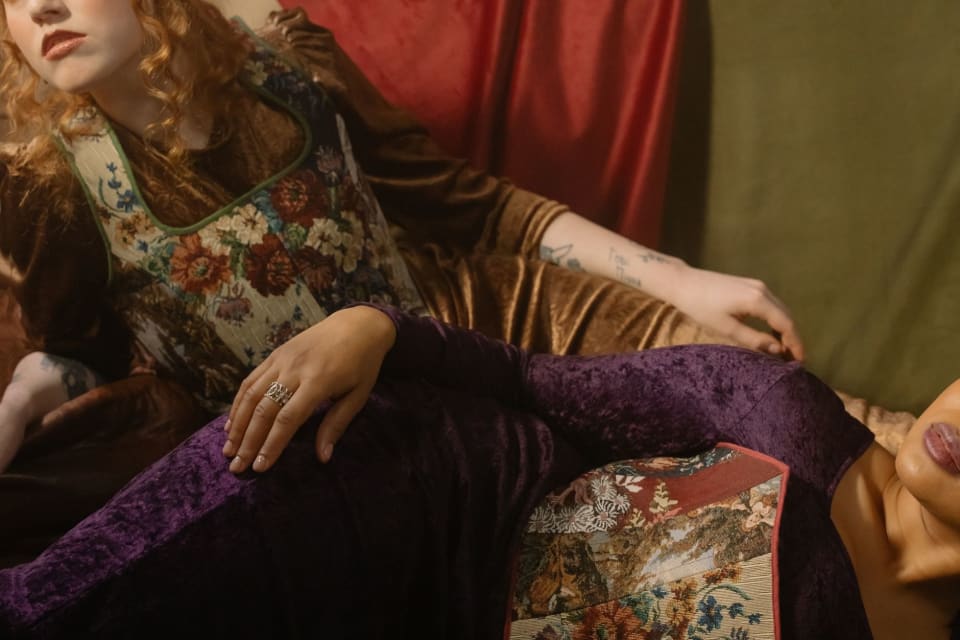
Renaissance is a style inspired by the dress of the Renaissance era (14th–16th centuries), when fashion first became an art glorifying harmony, wealth and human dignity. The Renaissance costume is rich fabrics (velvet, brocade, silk), slashed sleeves with a visible lining, high collars, corsets, square necklines, precious embroidery and the symbolism of colour and coats of arms. The silhouette emphasised noble bearing and the wearer's status. Historically Renaissance dress reflected the flourishing of cities, trade and patronage (Florence, Venice). In modern fashion Renaissance motifs — full sleeves, corset lines, painterly prints from the old masters — give a look historical depth and aristocratic luxury. Renaissance is a style of harmony, nobility and a reborn faith in beauty as an expression of human greatness.
Other Fashion Dimensions